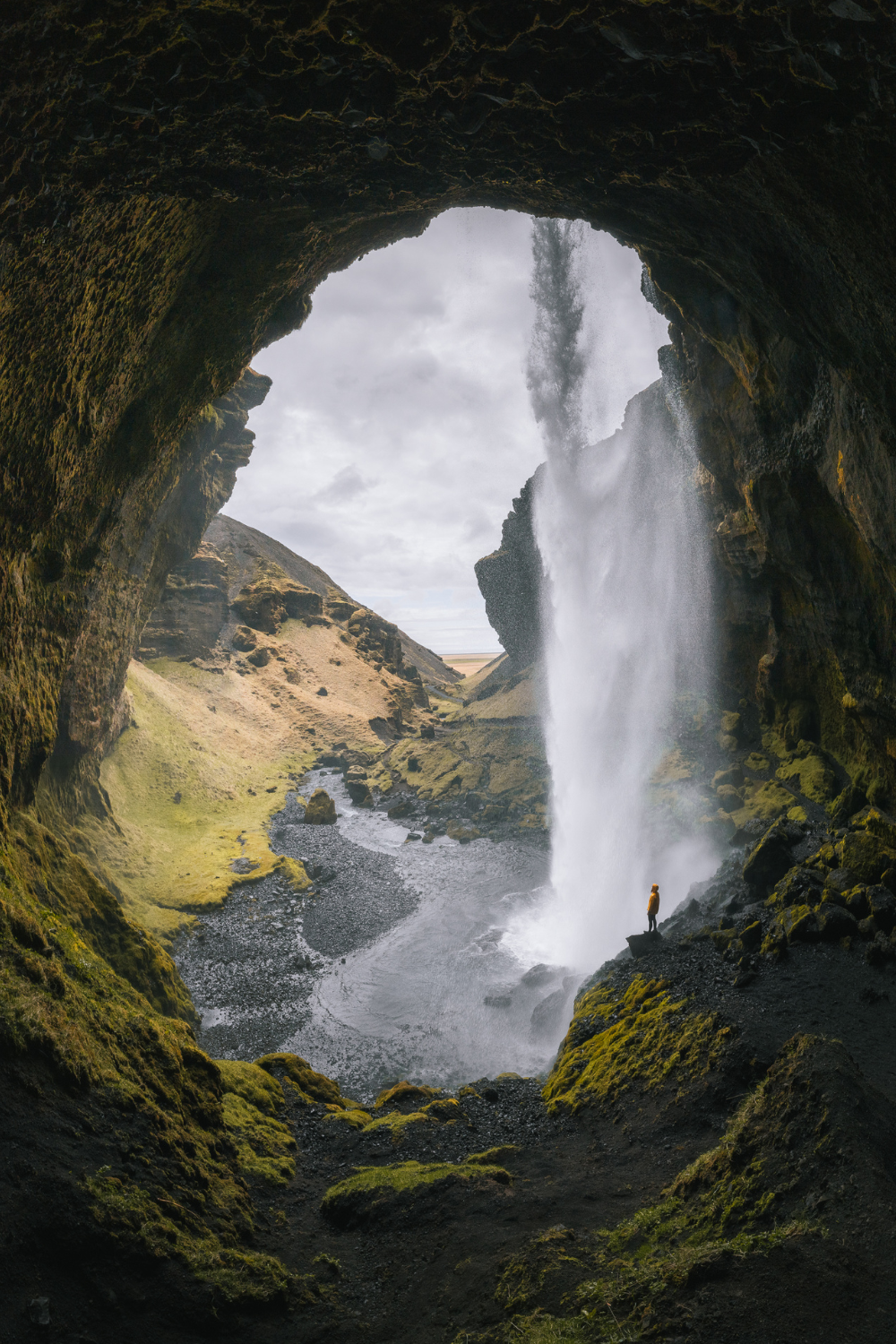
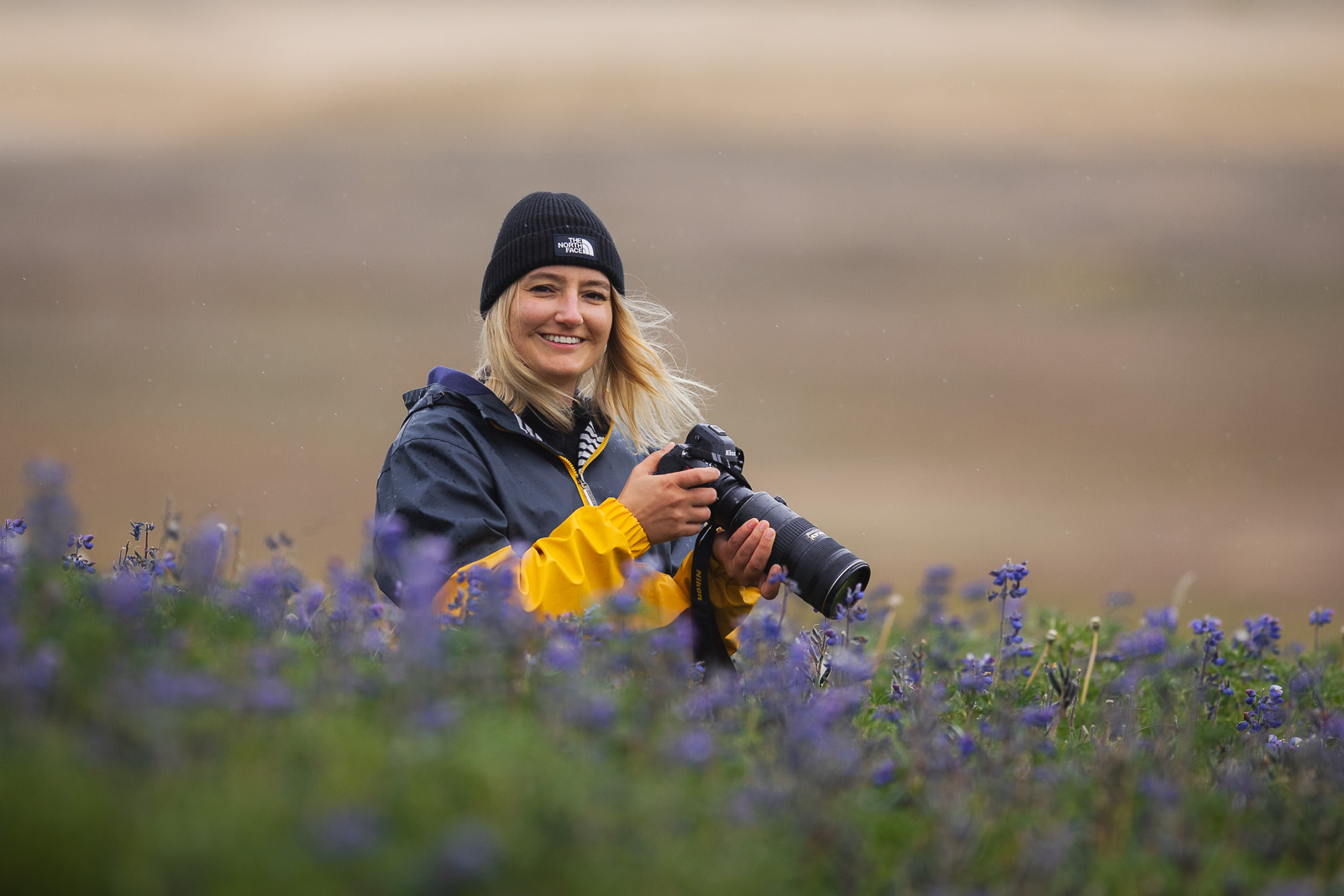
After several trips to Iceland in different seasons, I keep getting messages asking whether autumn is a good time to visit Iceland. The short answer is yes, it’s a very good idea. The long answer is it’s a GREAT idea, as long as you know what to expect and are ready to do a few compromises.
Iceland in autumn (September to November) is a very different experience from summer. There are fewer crowds, the daylight is shorter but gorgeous, and you might catch the first northern lights if you’re lucky. Autumn was the very first season I experienced in Iceland, back in 2022, during three weeks on the island. It’s the period I most often recommend to experienced photographers and to anyone who wants to discover Iceland with fewer people around.
What changes in autumn
The light is still beautiful
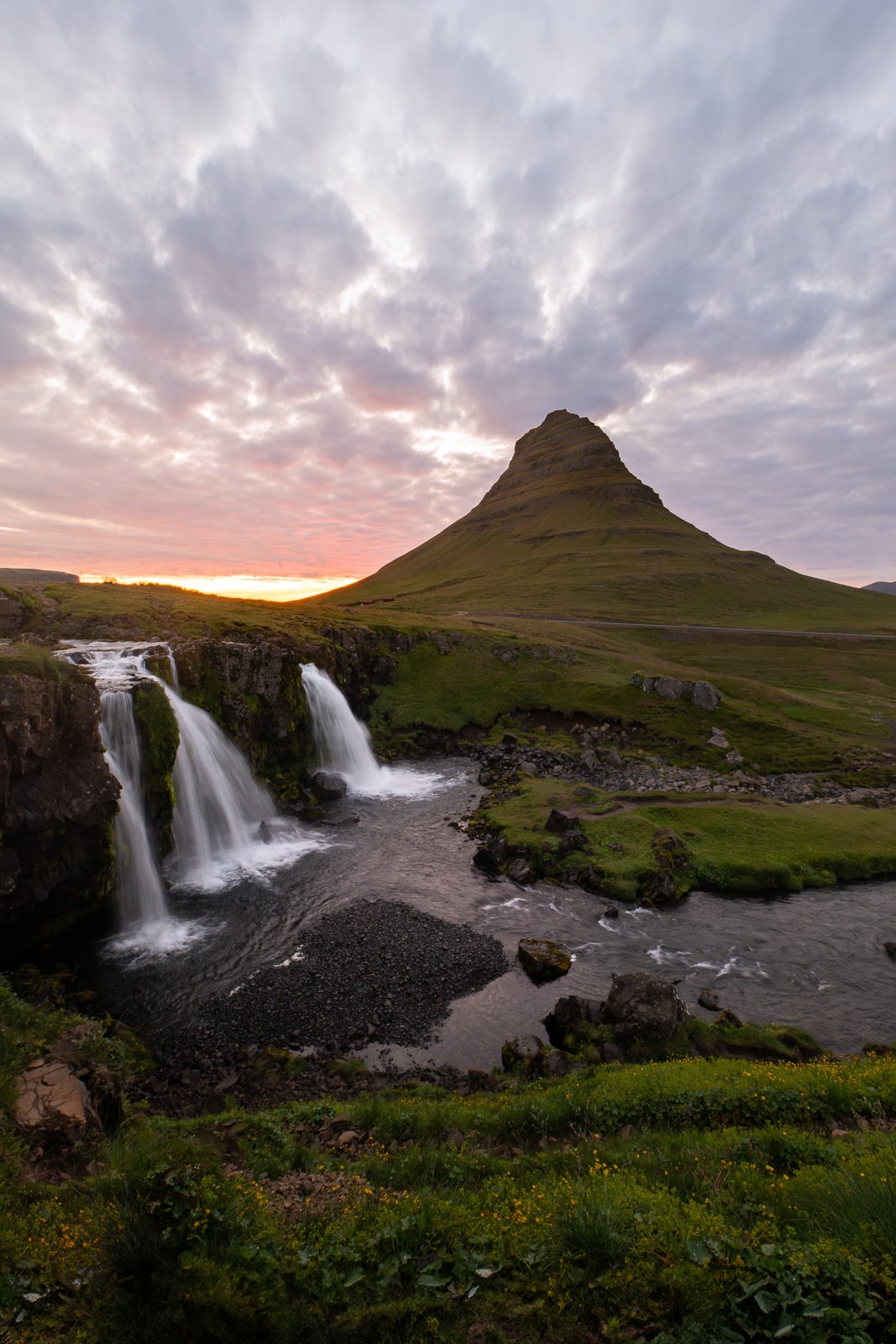
Okay, this one doesn’t actually change and it’s my number one argument for autumn. In summer, the sun barely sets, which creates beautiful but constant light : no real “golden hour” in the traditional sense, just a sunset that stretches on all night. During autumn, the days shorten quickly and the golden hours of morning and evening regain their full intensity. In September, the sun sets around 8-9PM, but golden hour lasts a good half hour. In October, the sun sets around 6-7PM.
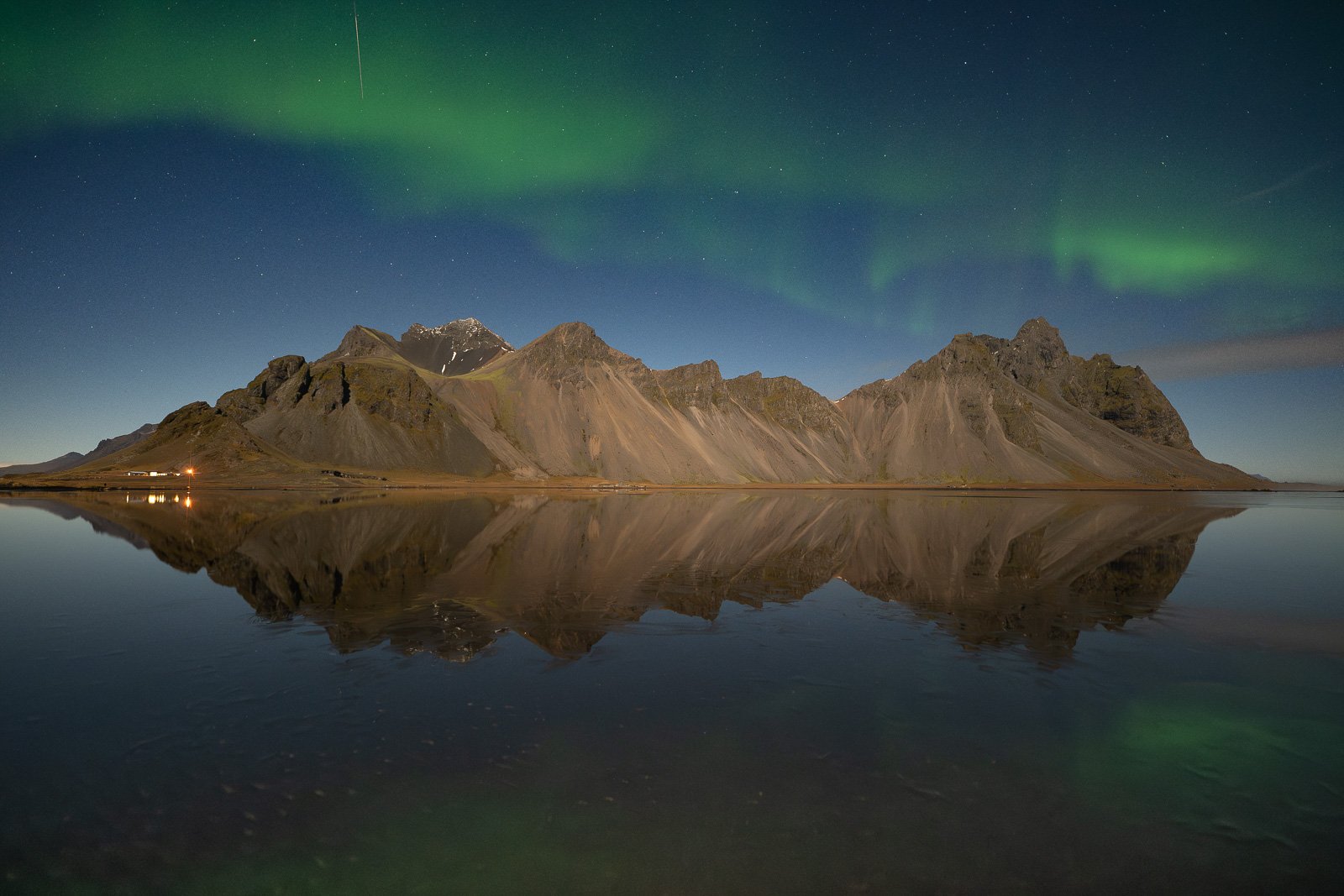
The northern lights are back
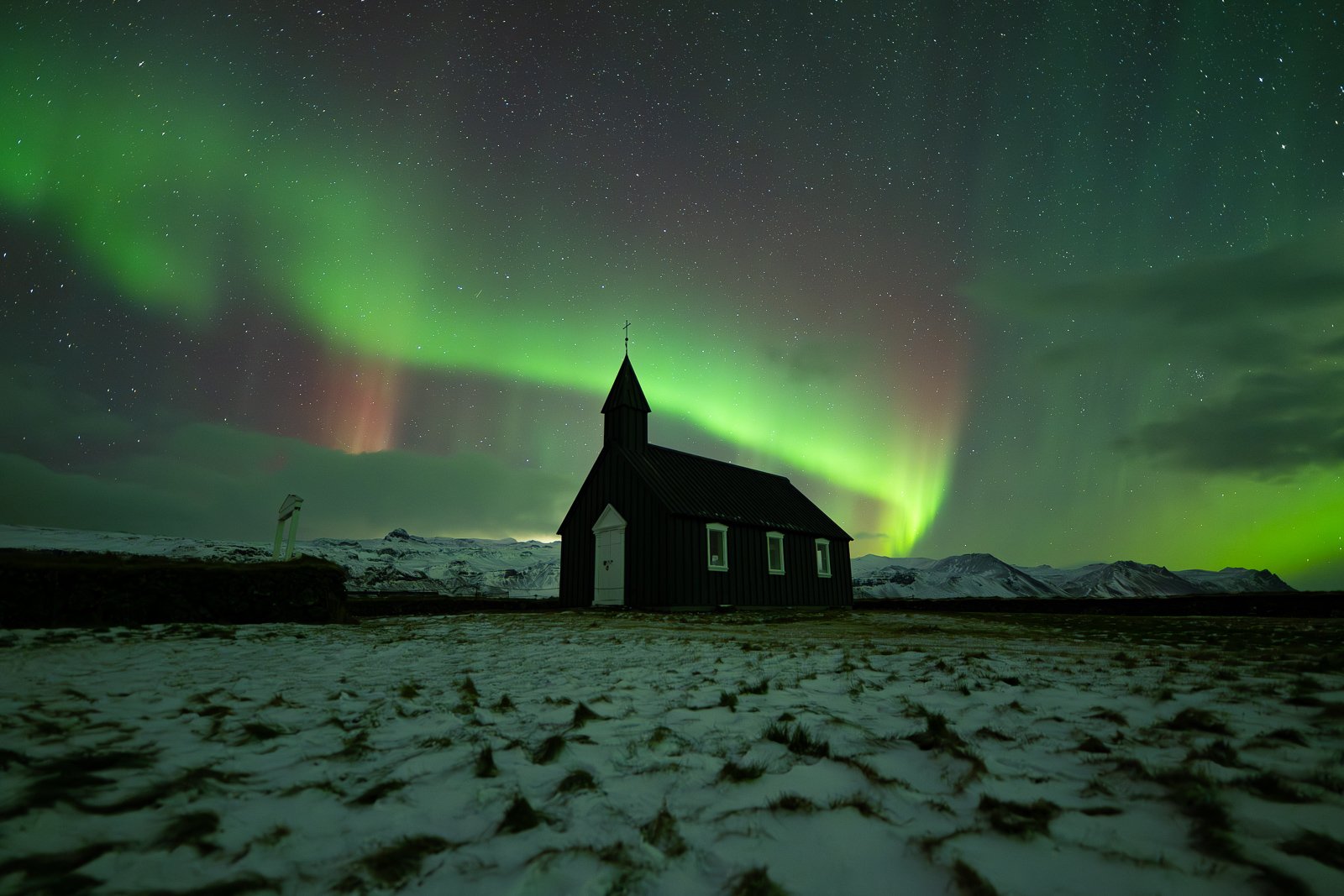
From mid-August, and especially in September and October, the nights are dark enough again to see the northern lights. This is the main reason many photographers prefer autumn to summer. Auroras can be very active in September and October and sky conditions are often favorable. Check out my article on when, how and where to see the northern lights in Iceland for everything you need to plan it.
Fewer crowds
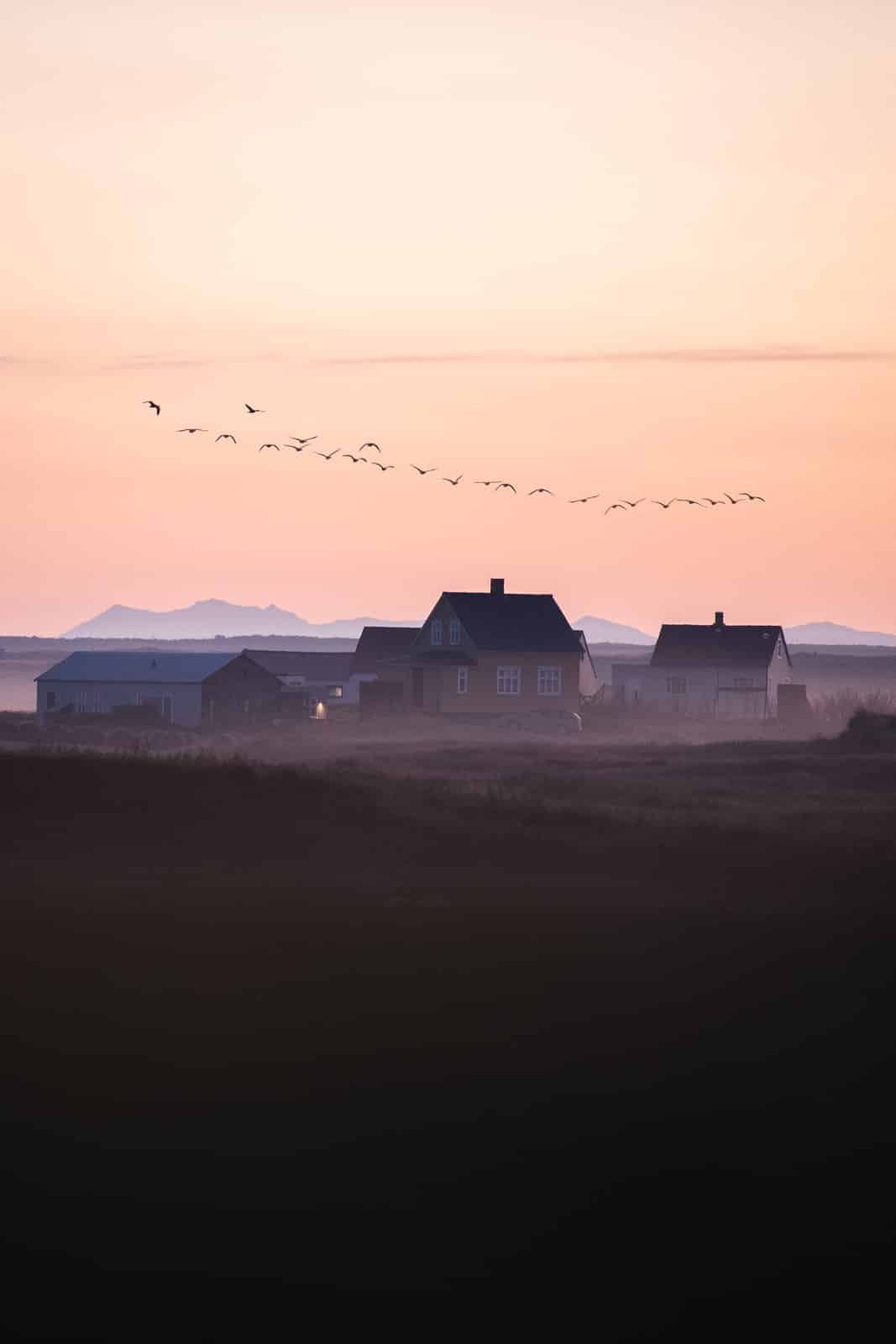
The number of tourists drops significantly after mid-August, just like in many tourist areas all around the world, since families with kids are back at school and the big summer crowds have gone home. In September, you can find yourself almost alone at spots that were packed two weeks earlier. That’s a huge comfort for photography and for the travel experience in general.
Lower prices
This is an often underrated advantage but a very concrete one ! From September onwards, accommodation rates drop significantly compared to the summer peak. Guesthouses are often 30% cheaper than in July-August, and campsites are quieter. I found quite a few last-minute stays (same-day booking, morning for the same evening) in September. In summer, you have to book your accommodation several weeks or even months in advance. In autumn, you can travel with much more spontaneity, which is quite a luxury when you want to adapt your itinerary to the weather as you go.
The most important : Autumn colors appear
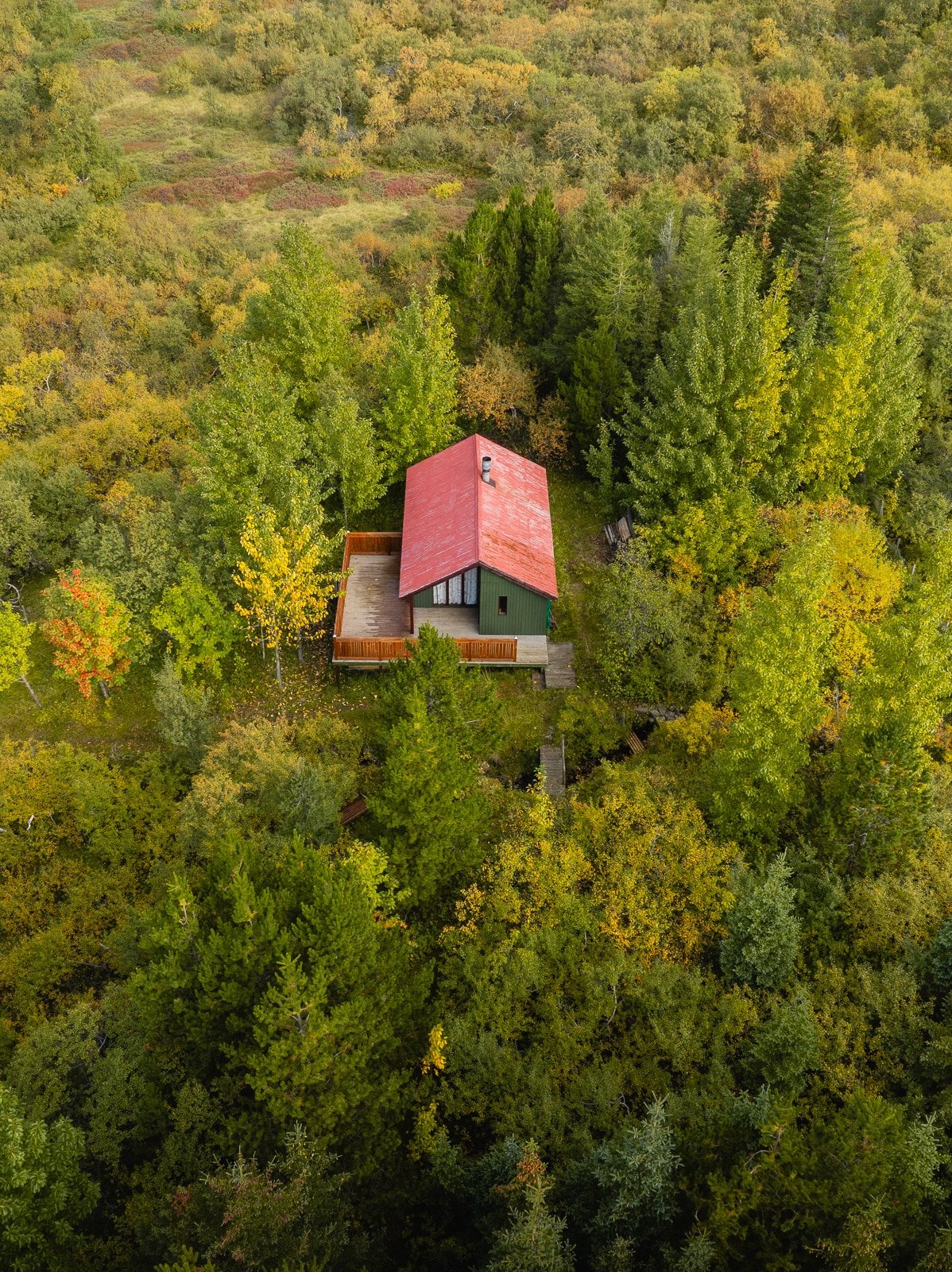
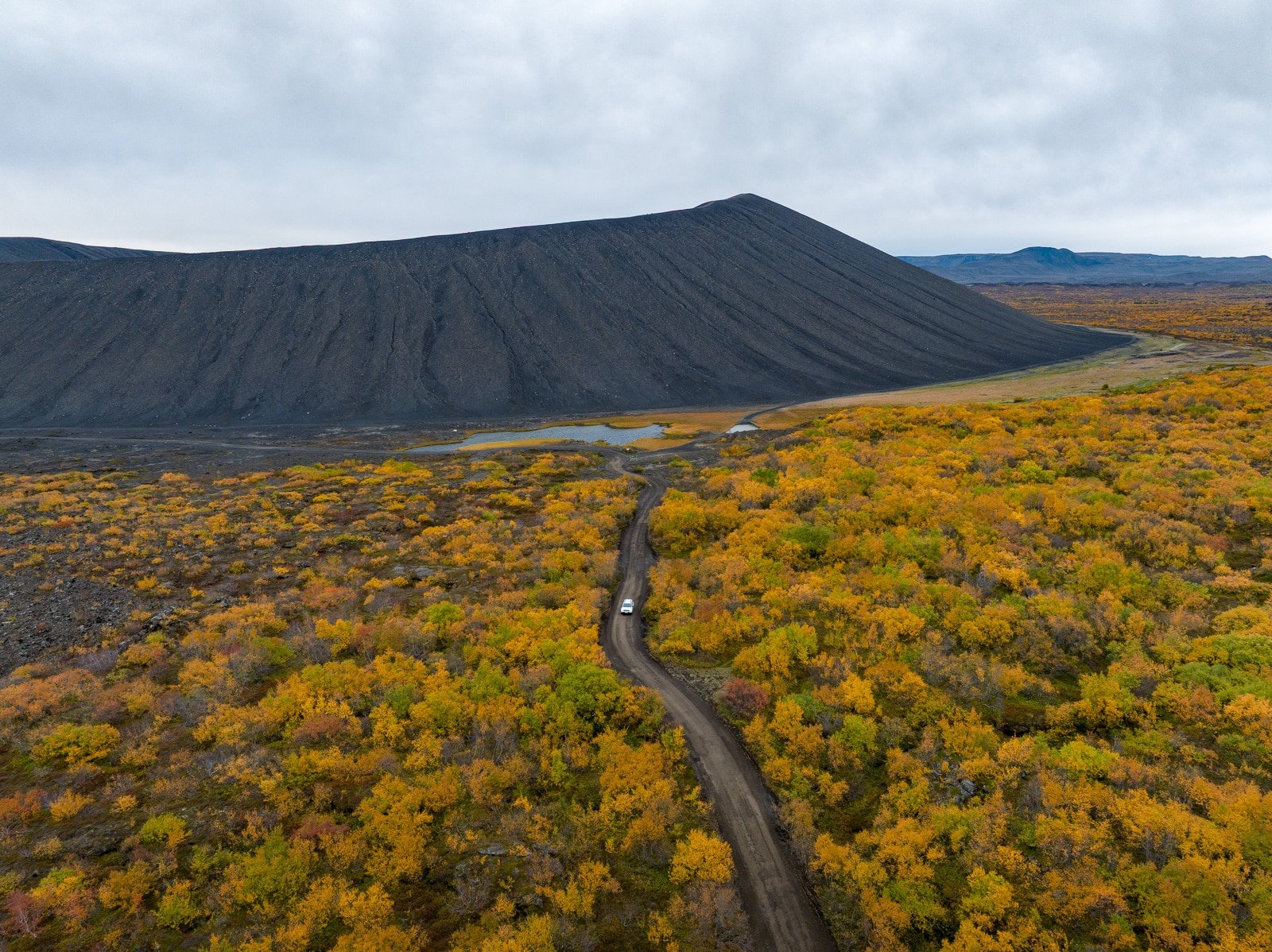
There aren’t many forests in Iceland, but the country’s sparse foliage (birch, blueberry bushes, moss) turns shades of ocre, red, orange and gold for a few weeks, usually from late September to early October. Don’t expect the Colorado or Eastern Europe colors tho, but Iceland’s fall colors can be truly beautiful. You also have a better chance of seeing early morning mist, since it’s cooler.
What you give up in autumn
Let’s be honest about the trade-offs too 😅
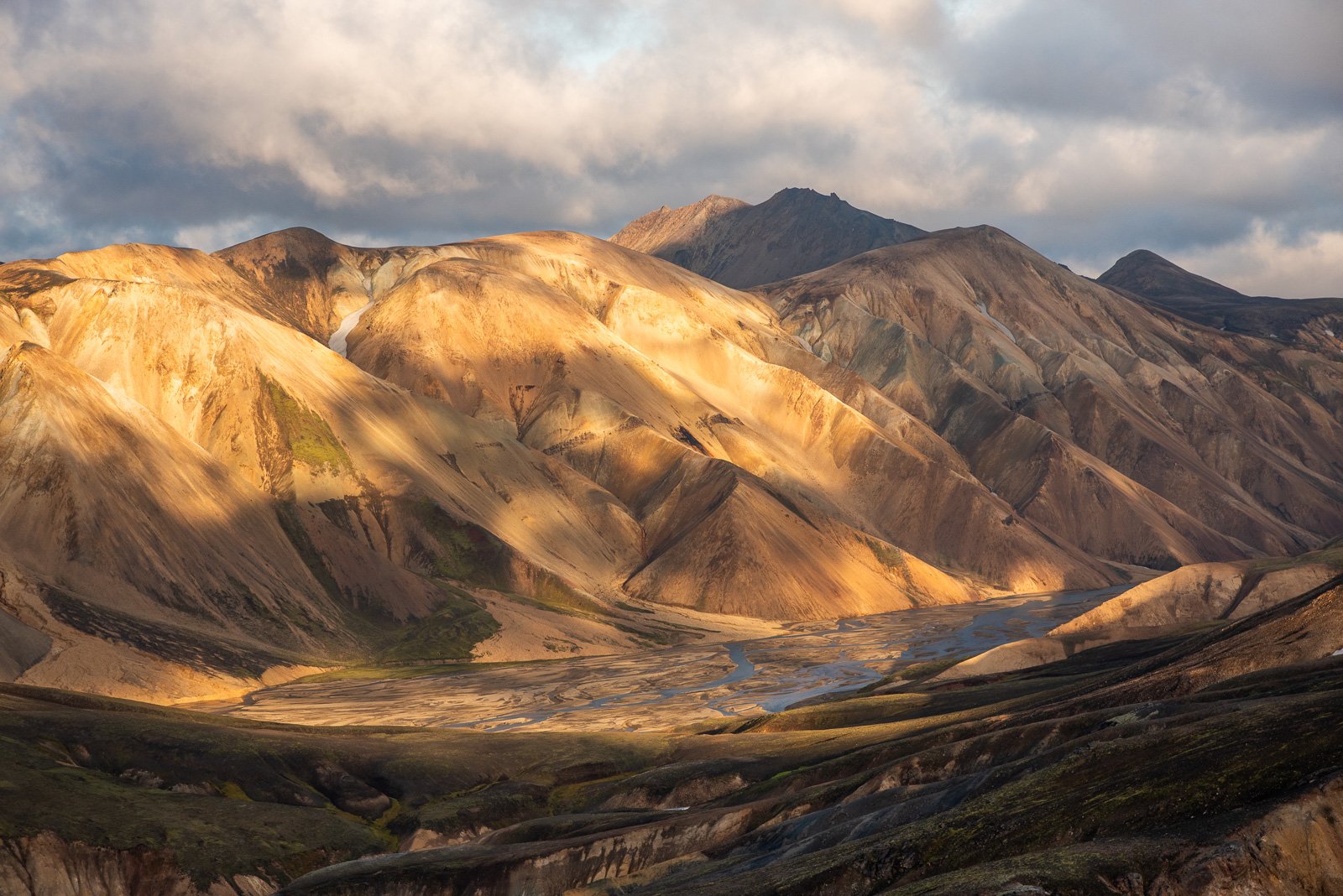
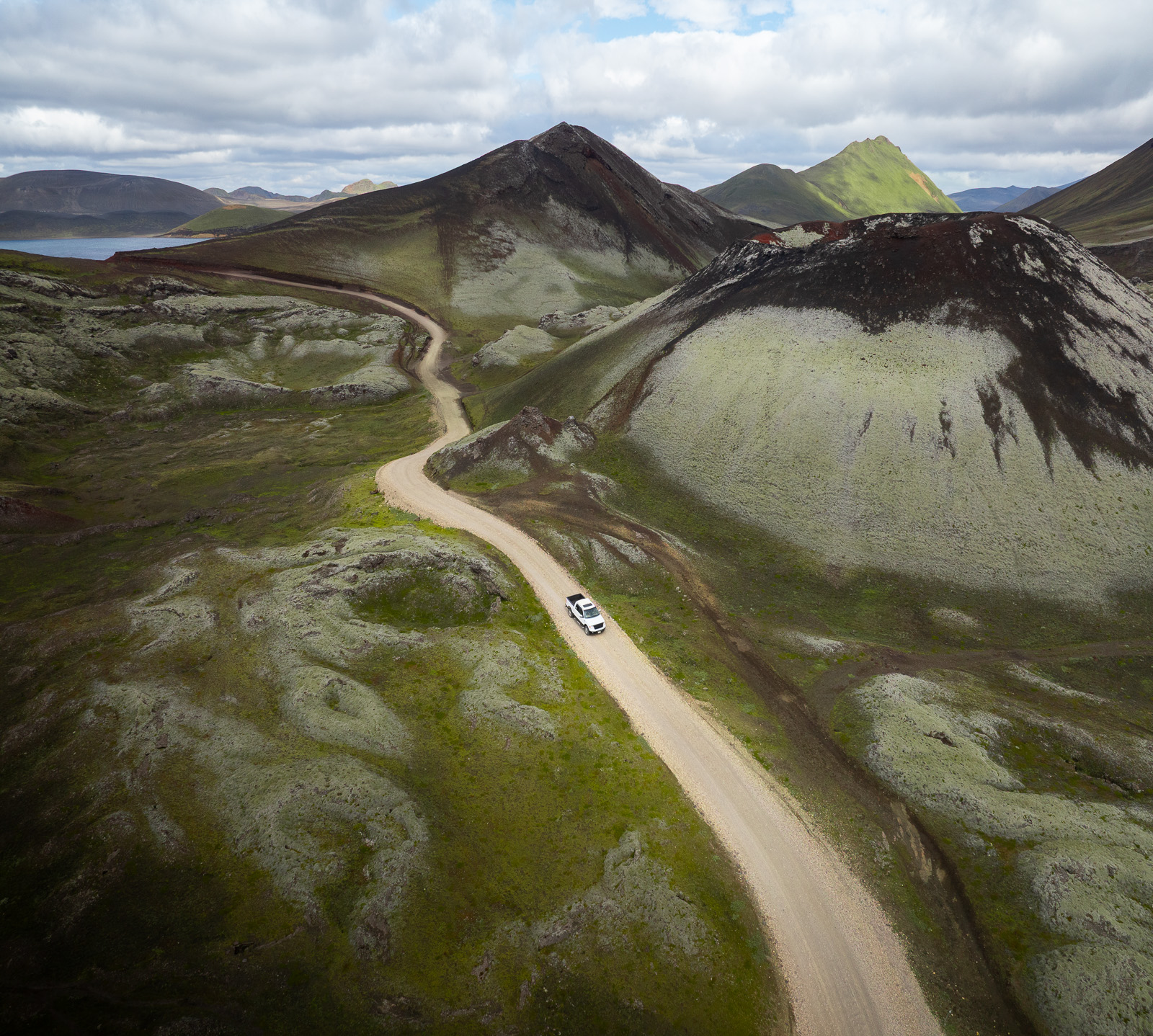
👉 The Highlands are closing : F-roads generally close between mid and late September, depending on conditions and the areas. If the Highlands are on your list, plan to go in the first week of September (just to be safe) or in the middle of summer.
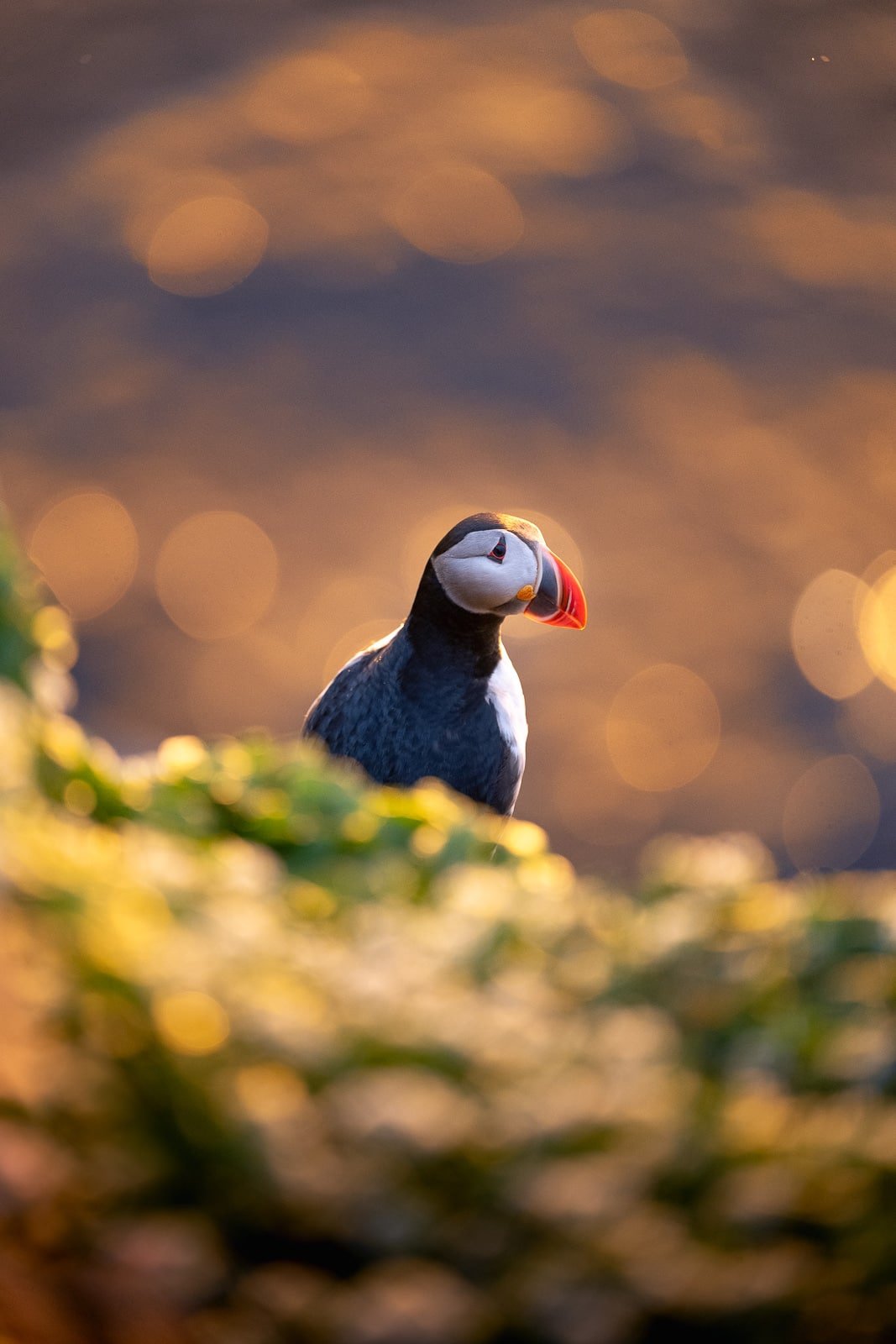
👉 The puffins are gone : they leave Iceland between late July and mid-August. If you come in autumn, no puffins.
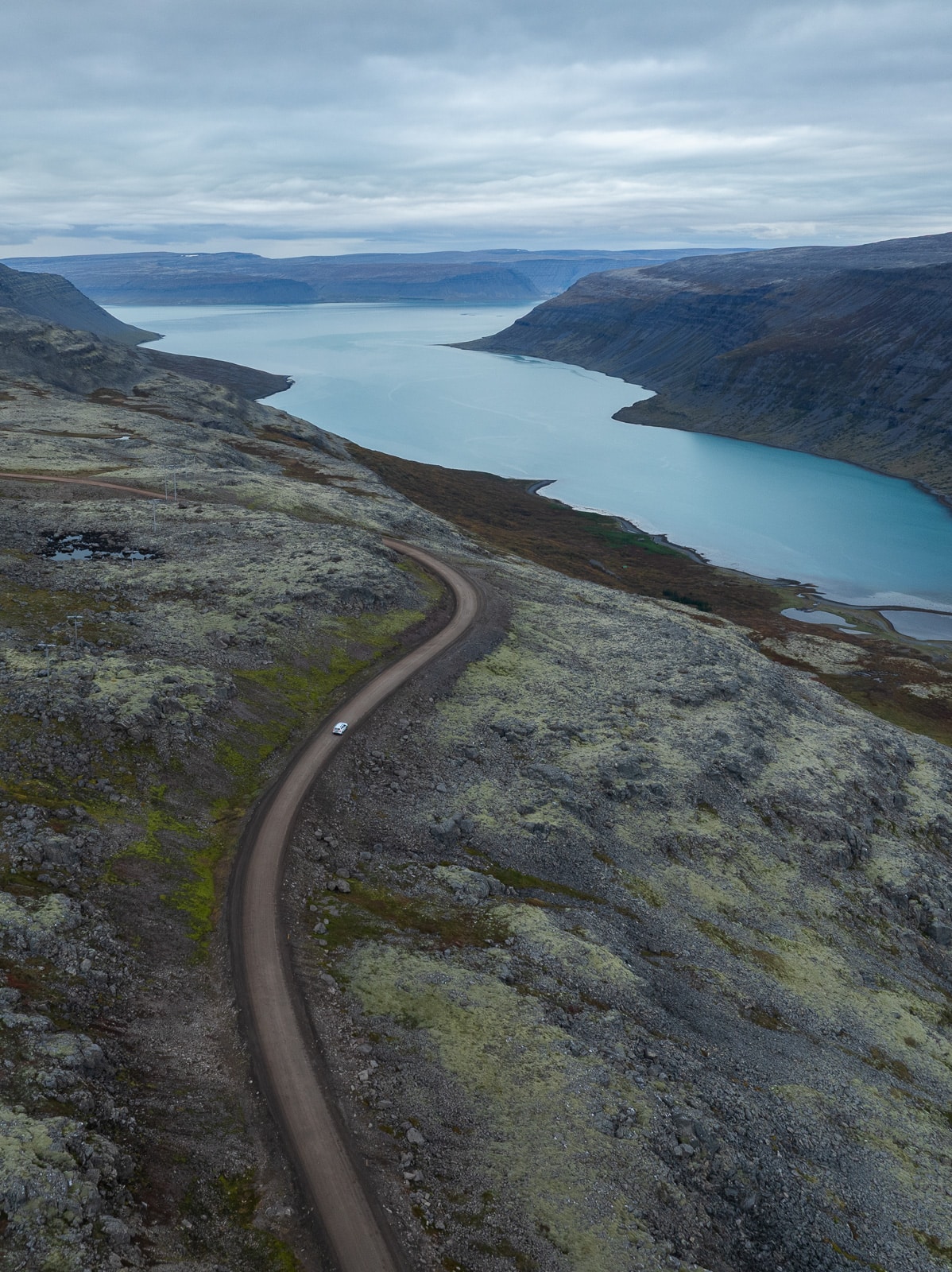
👉 The weather is more unpredictable : autumn storms in Iceland can be fierce, but you can also get extraordinary weather. In September 2022, over three weeks, I only had two days of bad weather (near Vík), with sideways rain, violent winds, power cuts… basically the full package. The rest of the trip was incredible, and I got to fly my drone every single day. The weather varies from one year to the next, nothing is set in stone. It’s not a reason to skip the trip, but you need to pack good clothes, as you would for winter.
👉 The days get shorter fast. In September, there are still 13 hours of daylight, whereas in November it’s light for only 5 to 6 hours. That can feel limiting for landscape photography, but it’s compensated by longer nights and therefore potentially more northern lights.
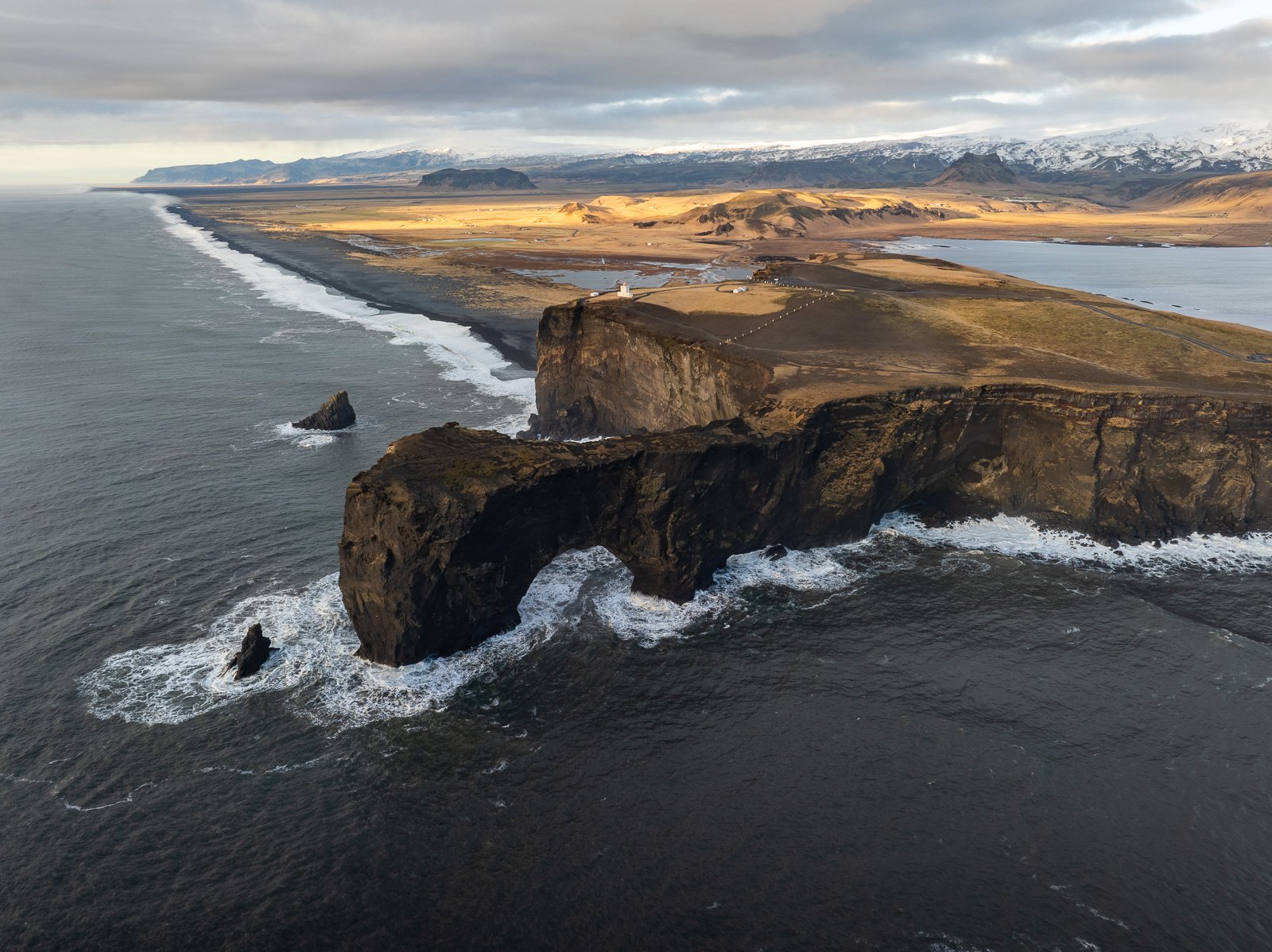
Light itinerary idea for 3 weeks in Iceland in autumn
Three weeks is the ideal amount of time to drive the full Ring Road and enjoy it without the tourist crowds. Here’s the outline of a 3-week itinerary :
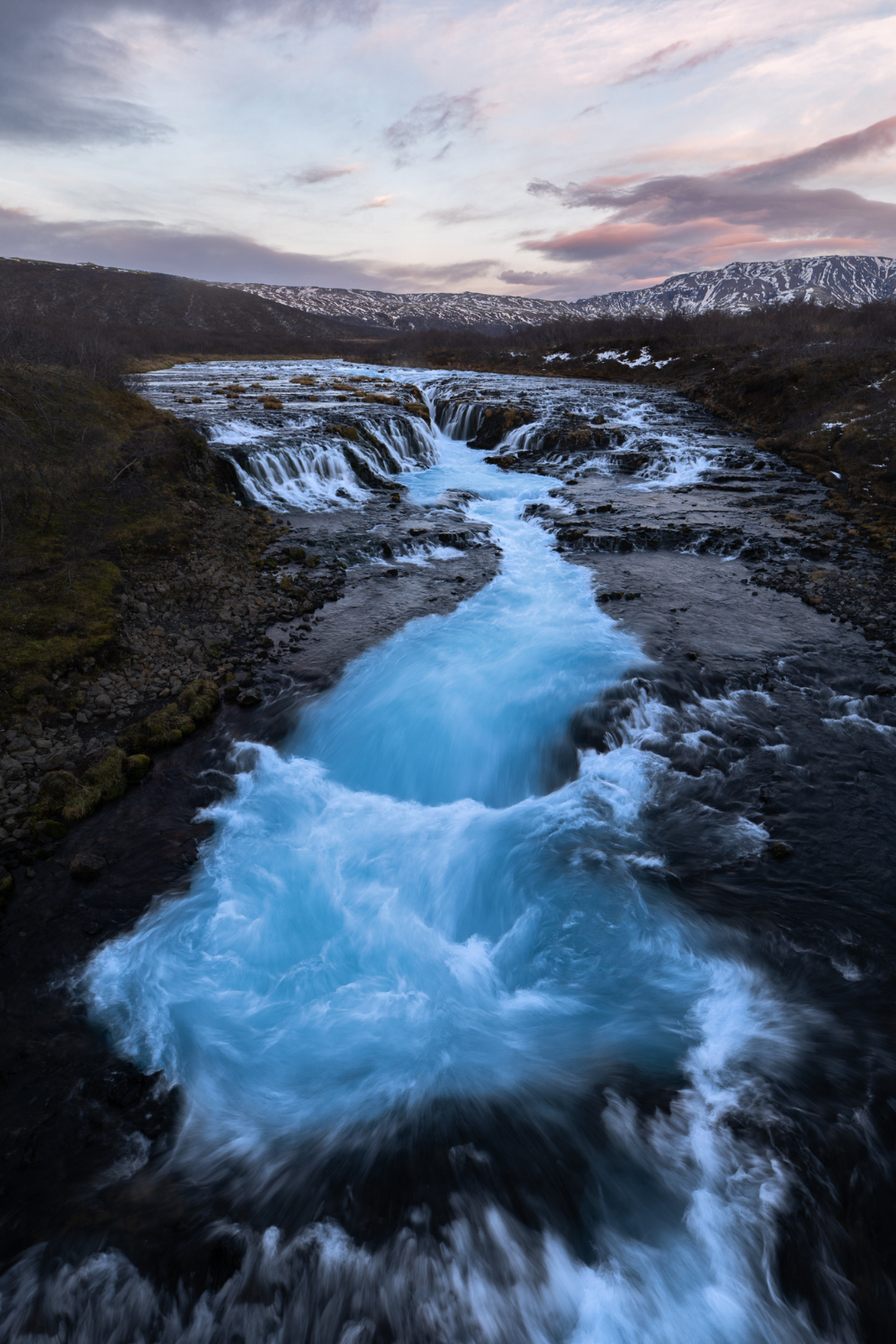
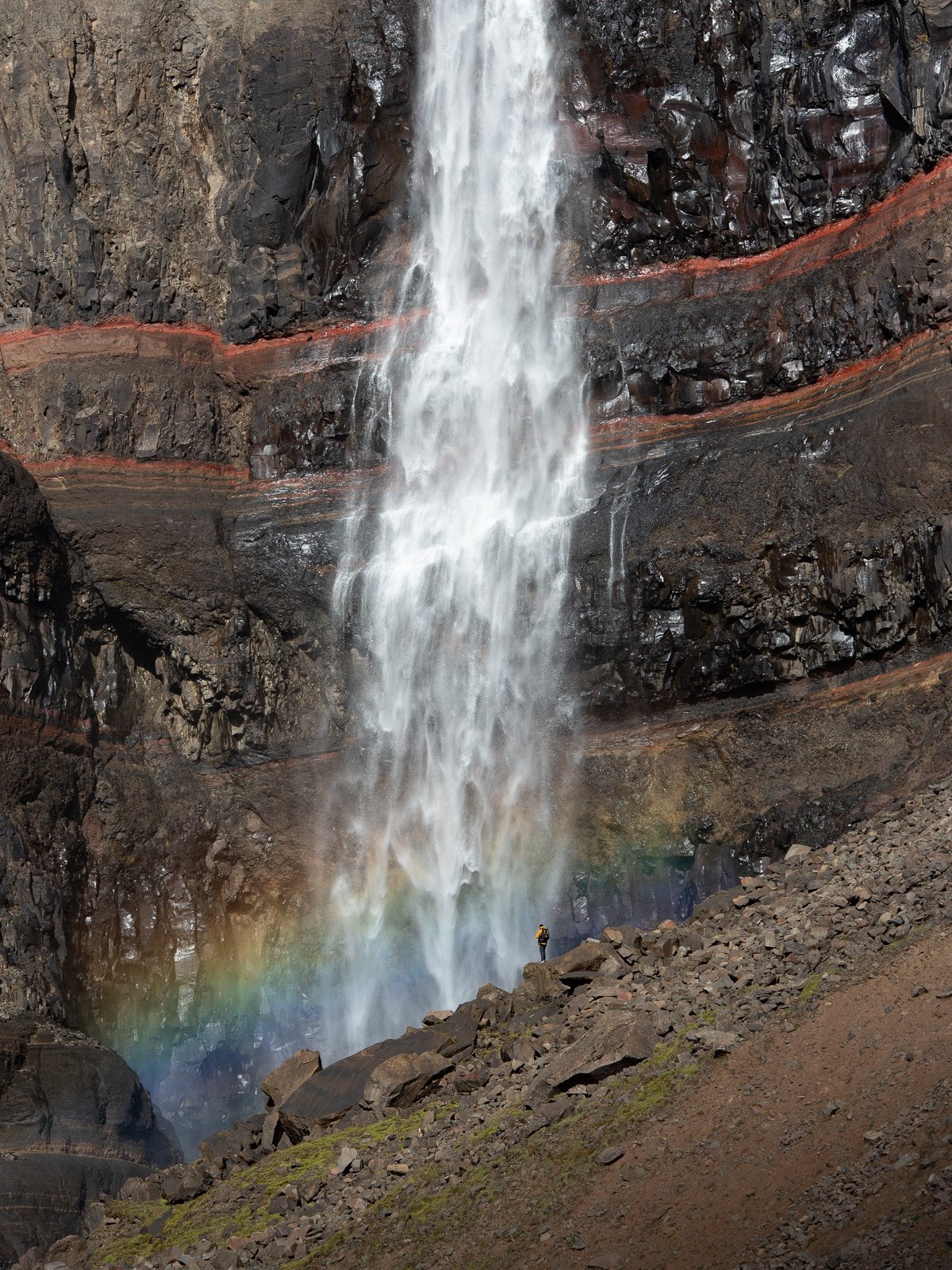
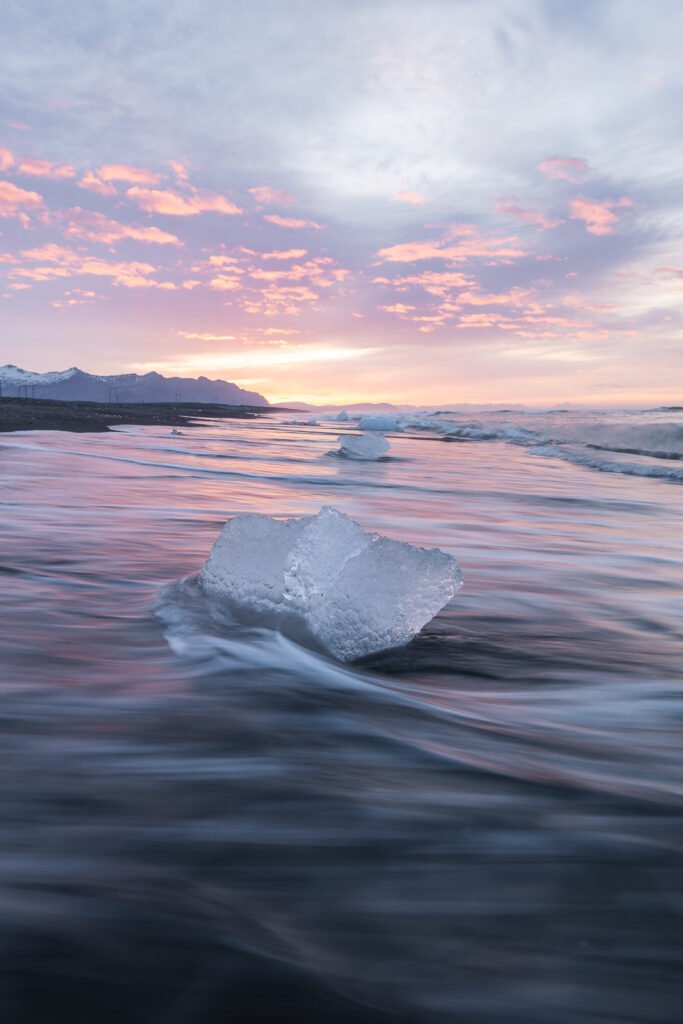
Week 1 : Golden Circle and the south coast. Do the big classics, since the waterfalls are at full flow with the first autumn rains, and take the opportunity to chase the northern lights. If the Highlands are still open or if you’re there in early September, you can venture into Landmannalaugar/Kerlingarfjöll to enjoy some of the most remotes areas of the country at peace.
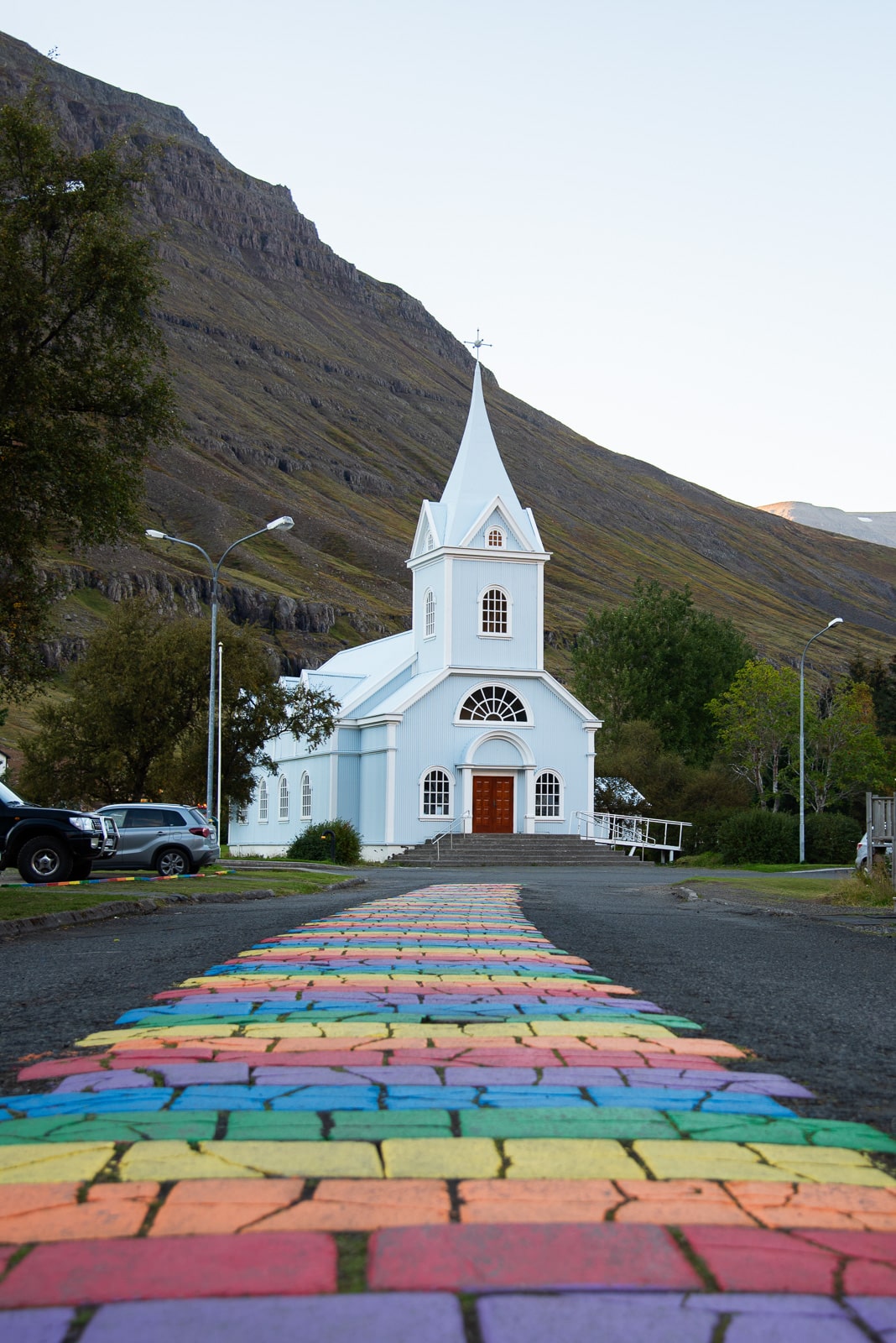
Week 2 : East Fjords and North Iceland. Stokksnes, Seyðisfjörður, Stuðlagil canyon, then head up north to see Mývatn, Goðafoss and the rest of North Iceland. You can also take a whale watching tour from Akureyri.
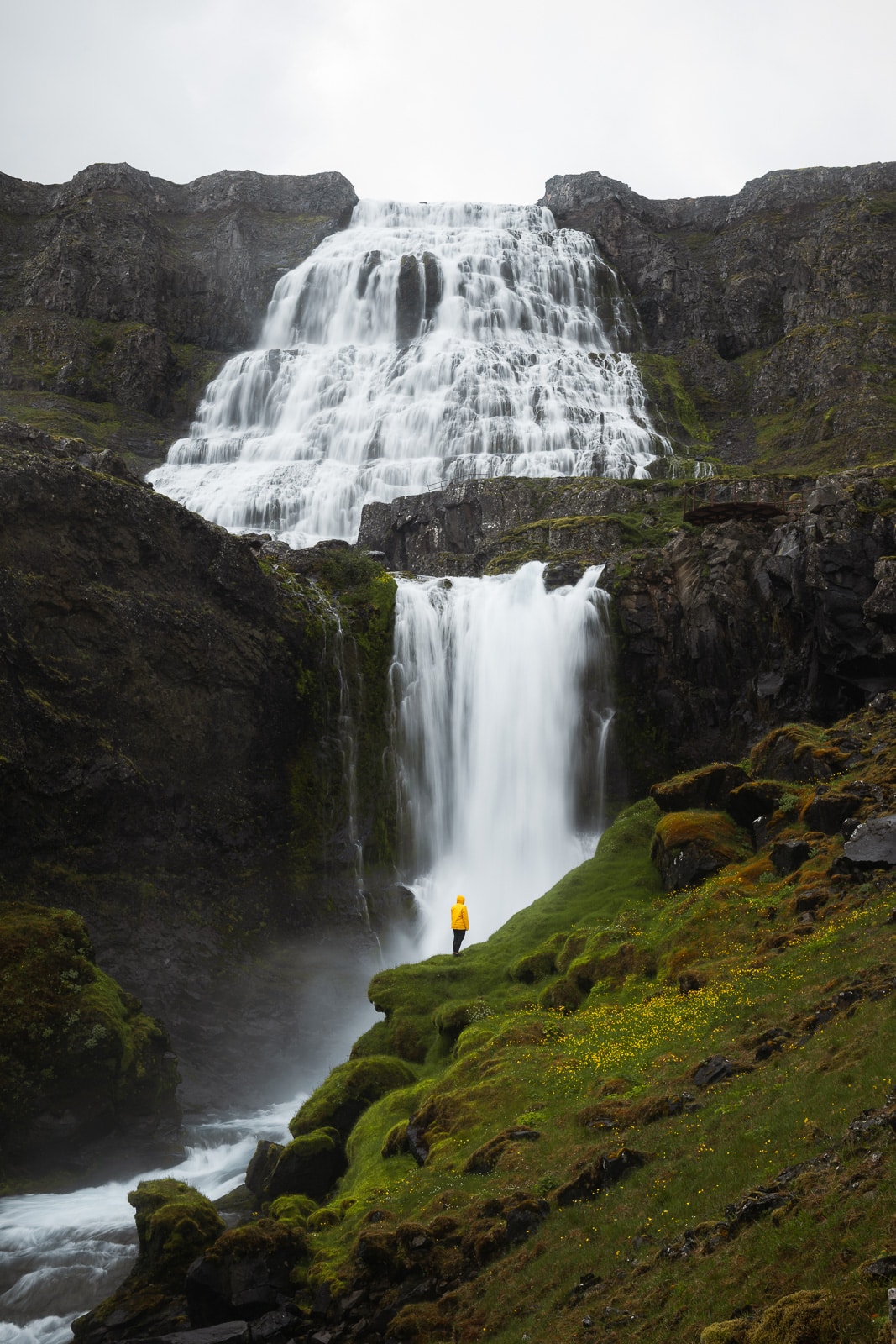
Week 3 : Westfjords and the Snæfellsnes peninsula. Enjoy the hot springs of the Westfjords before the first snow (be careful on mountain roads in October-November), then head down to the Snæfellsnes peninsula to finish your trip.
👉 This is exactly the itinerary I did in 2022 over three weeks. I also did it in November 2025 in 10 days, skipping the East Fjords, with far fewer daytime stops and a stronger focus on the northern lights. It’s intense, but doable if you’re several people driving. If you want more itinerary ideas, I’ve detailed five of them in my Iceland Guide.
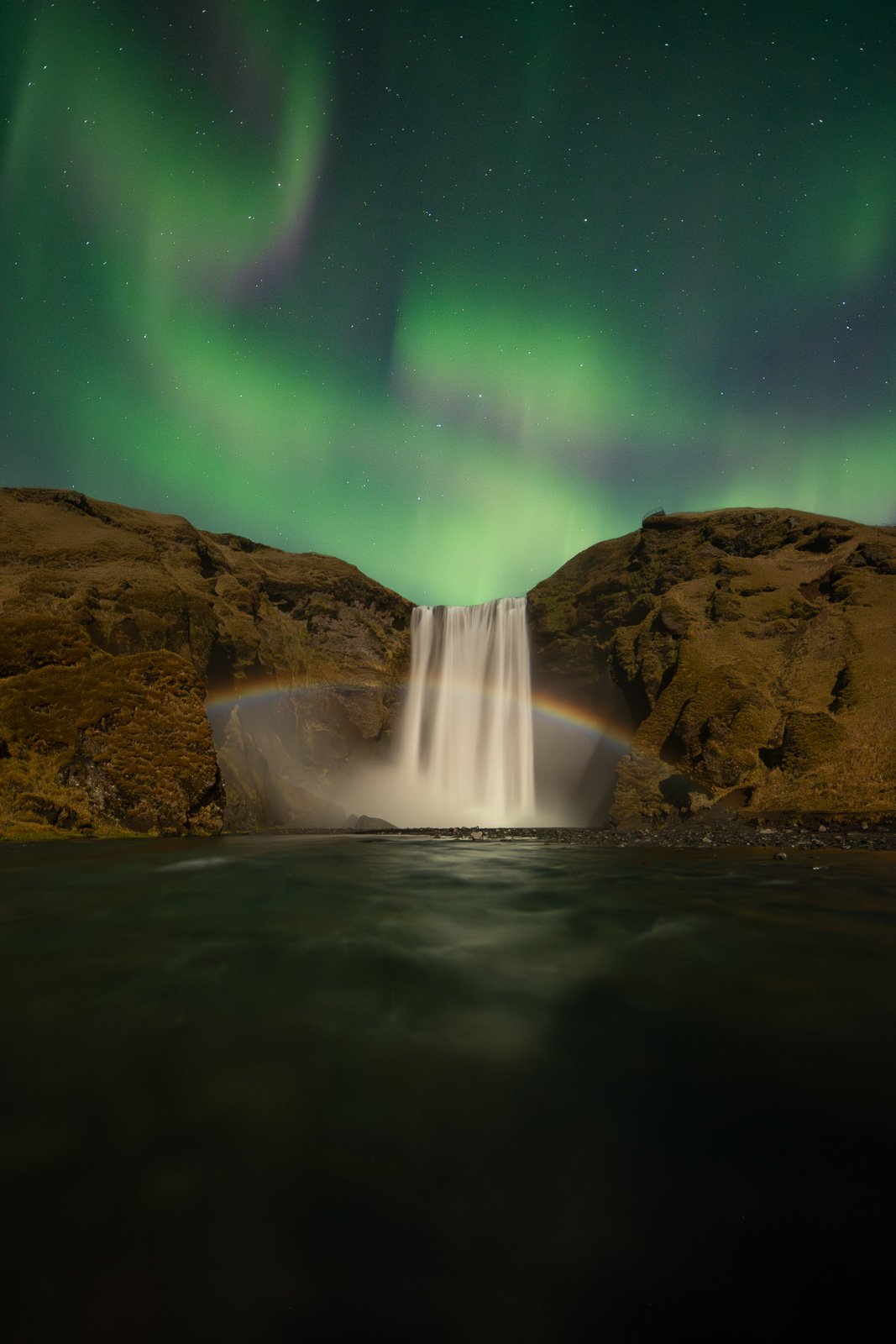
When to go in autumn to see the northern lights in Iceland
The answer is simple : you can’t know in advance, because nature decides when she wants to show off. Honestly, I find that September offers the best compromise, with nights that are already dark but not too long, still-reasonable weather, and auroras that are already active. October amplifies everything, it’s already darker, there are often more auroras, but also more storms. In November, conditions are tougher, but if you’re lucky the auroras can be spectacular.
👉 My recommendation : September, preferably the last three weeks.
In conclusion : yes, autumn is a very good time to go to Iceland
Autumn is maybe the most underrated season to visit Iceland. You get fewer crowds, fabulous light, the chance to see the northern lights, and warm colors across the landscapes, with the same waterfalls, glaciers, black sand beaches and hot springs as in summer. If you have the flexibility to avoid July-August, September-October is a fantastic time to go.
Safe travels in Iceland,
Marie
If you want to go even further, I created a 110-page Iceland Guide with absolutely everything you need to plan your trip :
- 5 ready-to-go itineraries, with budgets
- All the practical information about Iceland
- A detailed seasons guide
- A complete guide to driving in Iceland
- 3 exclusive photography guides with my tips and secrets
- Deals and discounts to save you hundreds of euros, so the guide and the map more than pay for themselves
And of course, my interactive map of more than 500 photo locations is included!
By combining the Guide with the Iceland Map, you get the ultimate tool for exploring the country: easily visualize locations, optimize your routes, and enjoy Iceland well prepared.