If you clicked on this article, you’re probably planning a trip to Iceland this summer. You know the country is popular, but you’re worried about ending up at the same spots as everyone else. So can you actually avoid the crowds ? Short answer : yes. Long answer : yes, but not everywhere, not always easily, and with a few adjustments to your expectations and itinerary.
Iceland now welcomes over 2.3 million visitors a year for just 370000 inhabitants. That’s roughly 6 tourists per local. And the majority of those visitors arrive between June and August, at the same time as you and me, with the same list of spots to tick off. Seljalandsfoss, Skógafoss, Jökulsárlón, Blue Lagoon, Geysir… If you’re planning a summer road trip to Iceland following the mainstream blog recommendations, you’re going to spend a chunk of your holiday queuing in crowded car parks and waiting for someone to step out of your frame. And we don’t like that right 😂
But Iceland is still Iceland. The island has the huge advantage of being large, diverse, and still very lightly visited in its less touristy regions. With good planning, it’s absolutely possible to experience moments of total solitude in the Icelandic wilderness, even in the middle of July. I’ve mapped out all the off-the-beaten-path spots on my Iceland Photography Map, but I’ll walk you through how to find peaceful places in this article too.
The reality of tourism in Iceland in summer
Before I share my tips, let’s have a small reality-check about what “avoiding the crowds” actually means in Iceland in summer, because you need to manage your expectations.
Some sites are simply unavoidable if it’s your first trip. Seljalandsfoss will be packed, Skógafoss too, Diamond Beach will have people from 8AM until midnight (yes, even midnight, because the midnight sun pulls every photographer there at the same time). The Golden Circle ? You’ll be far from alone. That’s not necessarily a problem in itself, these places are popular for good reasons, but you need to anticipate it and not be too delusional.
On the other hand, the least visited region in the country is the Westfjords, which sees fewer than 15% of tourists, while 95% pass through Reykjavík and its surroundings. That’s the most useful piece of information in this article : there are two faces of Iceland, and the good news is that the second one is often the most beautiful.
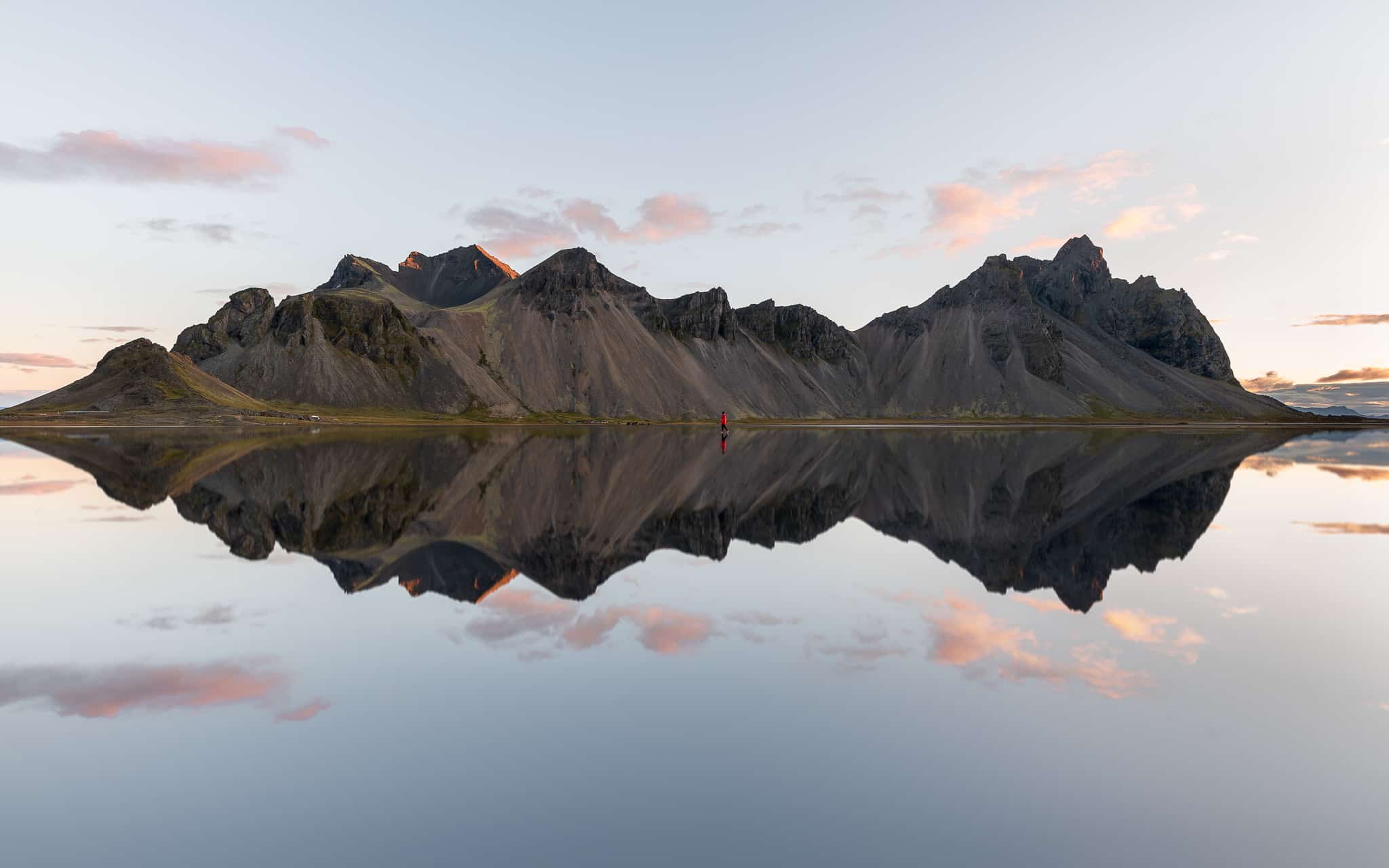
👉 I’ll be honest about one thing : I have NO photos with crowds to illustrate this article because I actively run away from them. I’ve rarely come across many people in Iceland on my trips, whether in summer or winter, at tourist spots or more hidden ones, simply because I choose the right timing and refuse to stop at a place if I see too many people for my taste (meaning more than 10). Over time I’ve developed a kind of anxiety about ending up in crowded places, and it actually works in my favour, it means I get to see incredible spots with no one around me.
Tips to avoid the crowds in Iceland in summer
Shift your sleeping schedule (seriously)
This is the simplest and most effective tip, and also the least applied one. In summer, the sun barely sets, so take advantage of it ! The most visited sites empty out considerably after 9PM and before 8AM. For example :
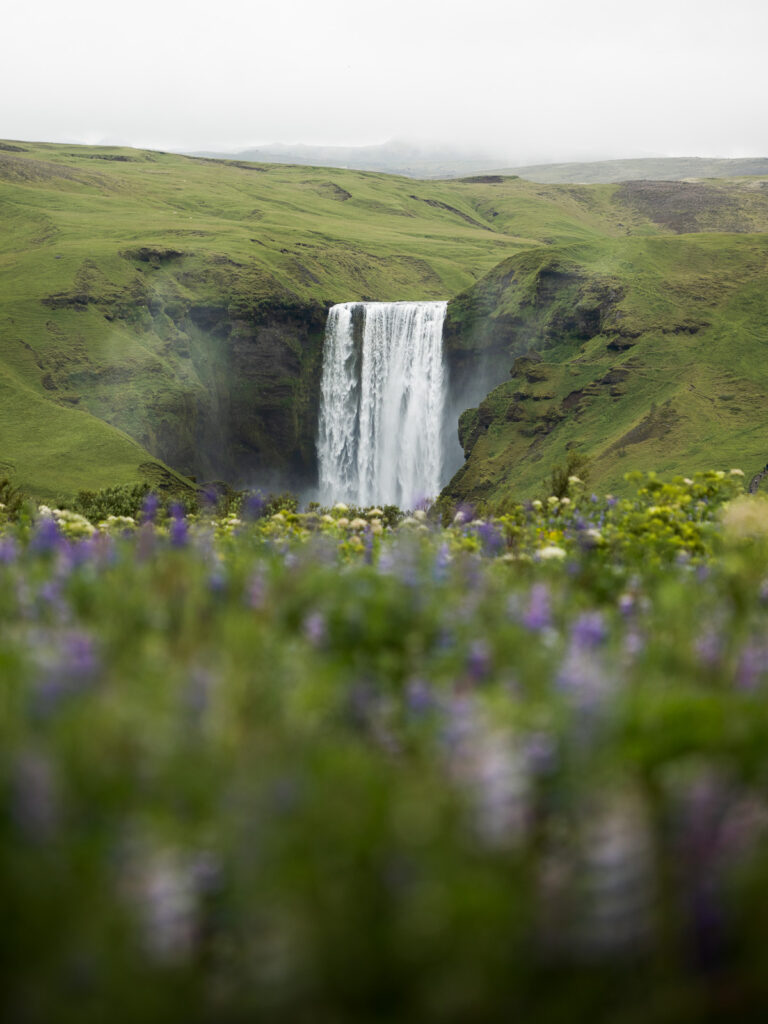
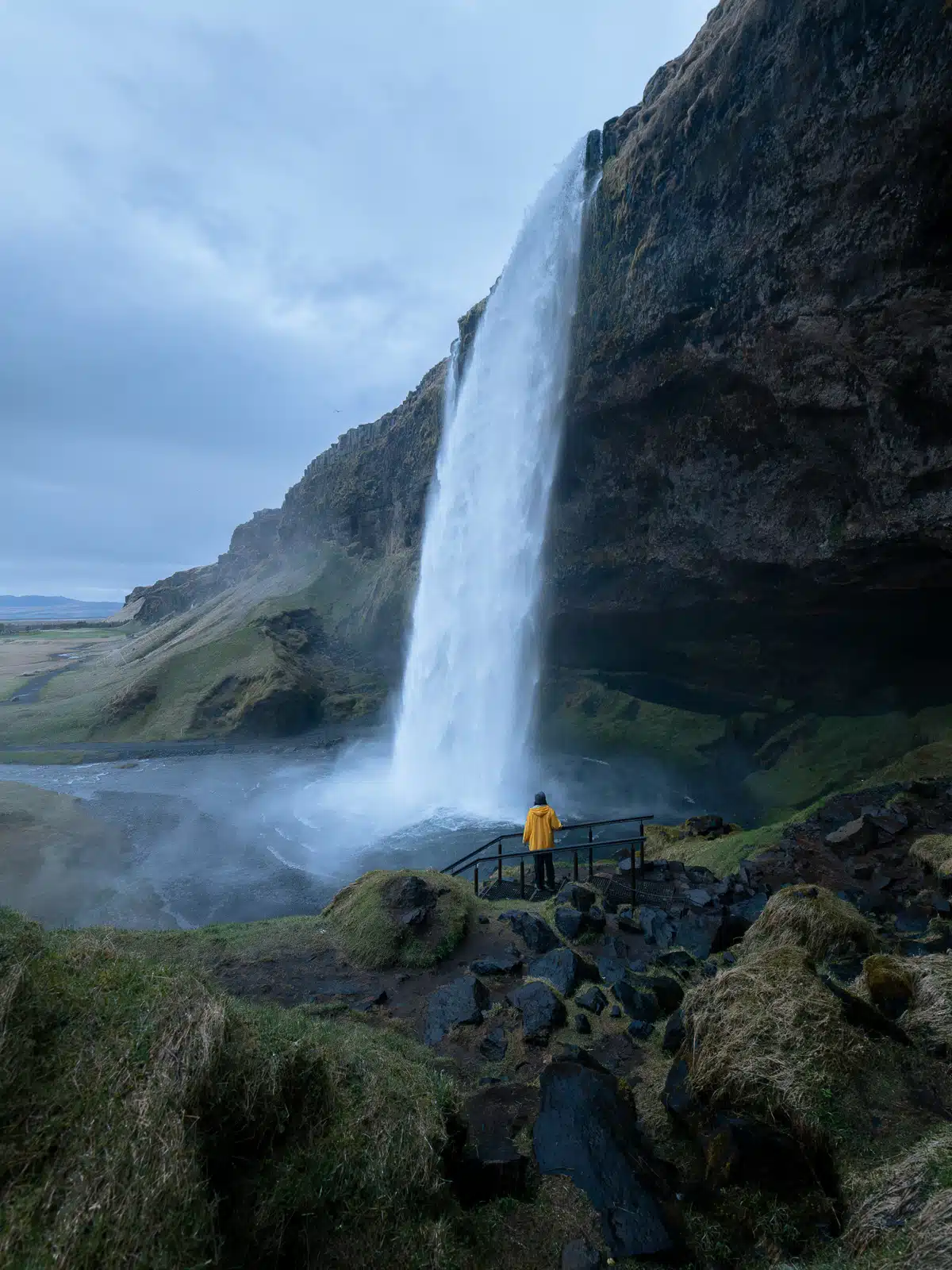
👉 A very well-known, busy spot : I photographed Skógafoss at 2AM with NOBODY around me in early July. This is literally one of the most famous waterfalls IN THE WORLD. By 10AM when I dragged myself out of my “night’s sleep”, there were dozens of cars in the car park, loads of people at the base of the waterfall and even people climbing the path to the viewing platform above.
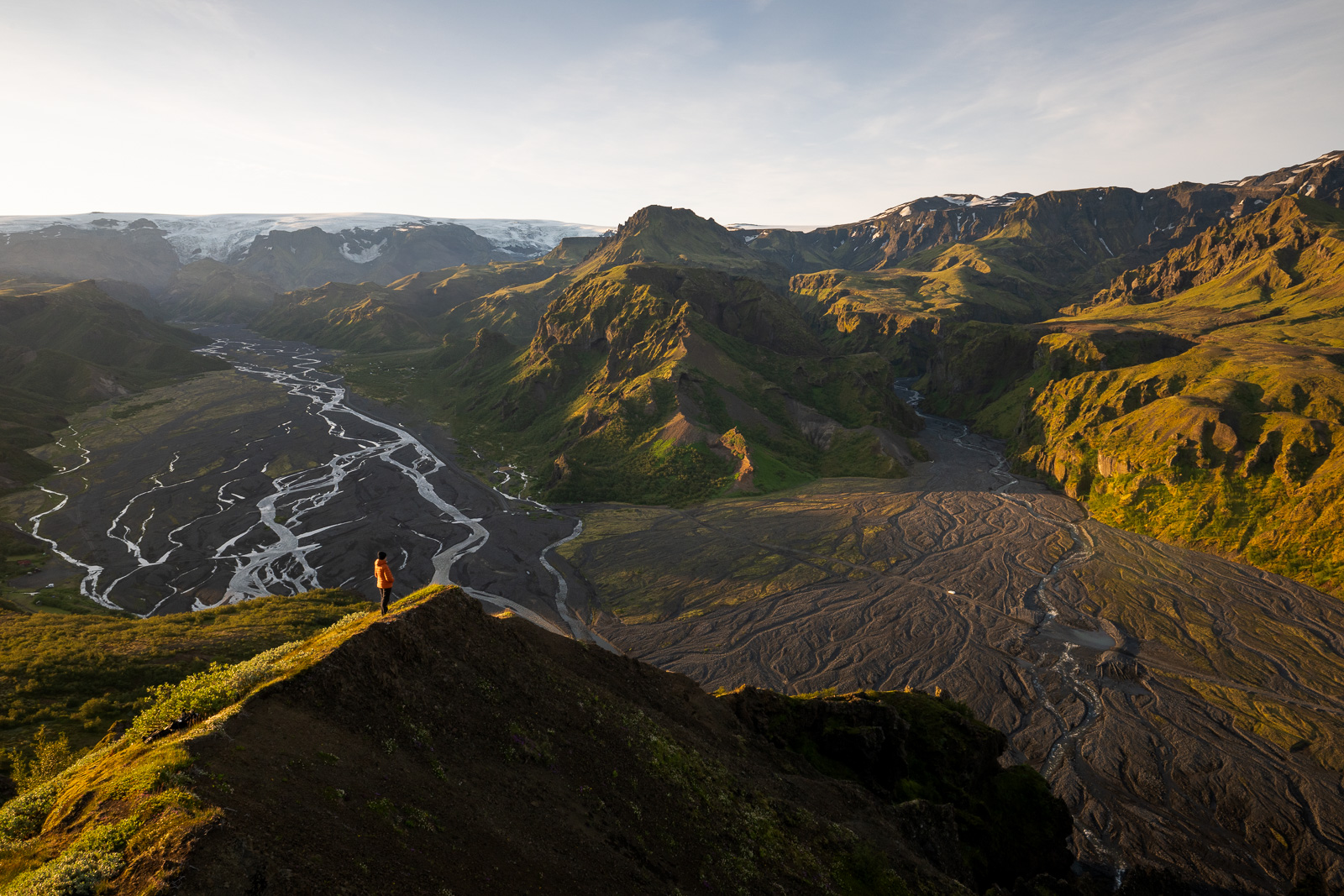
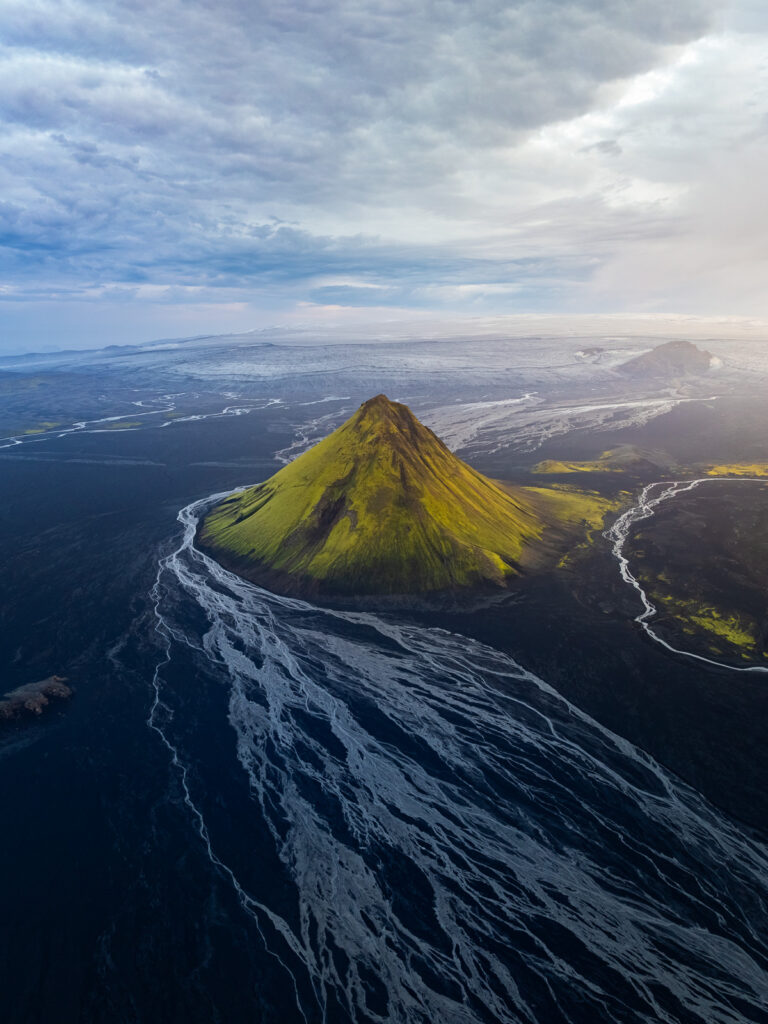
👉 A much lesser-known spot : I visited Mælifell between 10PM and 3AM in mid-July via the F232 and crossed paths with three cars (all leaving). I had the place to myself, and the only other moment I saw anyone was at the junction of the F210 and F233 (one car hesitating to cross a river).
The midnight sun light is also objectively more beautiful, very golden, soft, magical. This golden hour lasts for hours in Iceland, and most people miss it because they’re sleeping. That’s kind of their problem, but trust me : even if you only follow this one tip, you’ll multiply exponentially your chances of having each spot to yourself 😊 Having places that beautiful just for you is a privilege, but it does mean adapting to unconventional hours for the duration of your trip. I’m not saying it’s easy, but it’s worth it.
Skip the Golden Circle (or adjust your expectations)
The Golden Circle (Þingvellir, Geysir, Gullfoss) is the most popular route in Iceland because it’s the closest to Reykjavík, and therefore the most saturated. It’s not that it’s not worth it (the area absolutely is), but if you can skip it or swap it for lesser-known alternatives, you’ll gain a lot in terms of peace and quiet. A few less-visited alternatives in the same area :
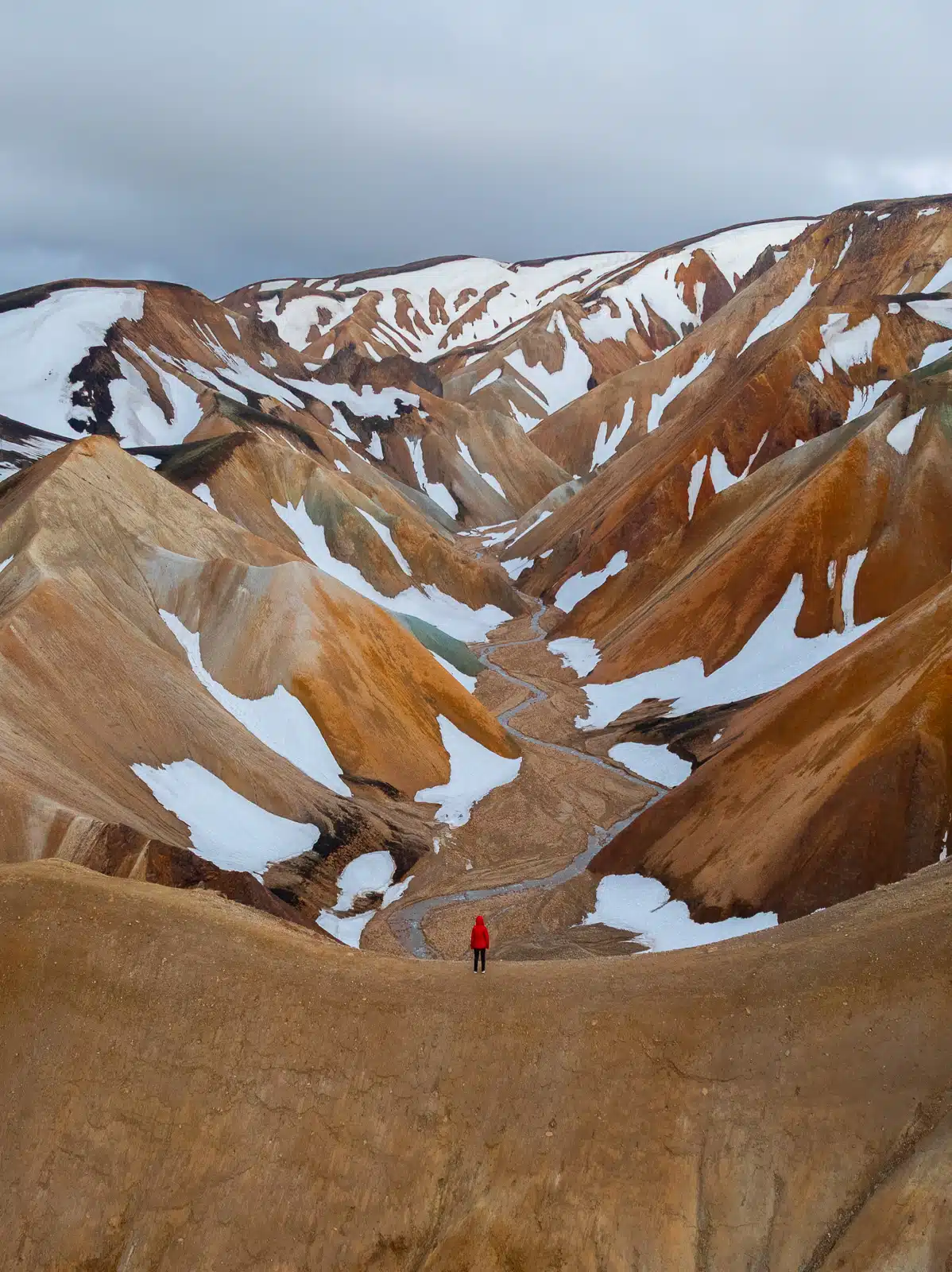
- Kerlingarfjöll : geothermal mountains in the Highlands with rhyolite colours and hot springs. 4WD only, which naturally puts people off. The road is “long” (about 3 hours) and “rough” (gravel), yet the place is a jaw-dropping visual experience.
- Háifoss : the second highest waterfall in Iceland (122 meters), accessible via track 332, and infinitely less visited than nearby Gullfoss, with an equally impressive result. You’ll need a 4WD, but it’s worth it !
👉 Looking for spots accessible without a 4WD in this area? I’ve listed over thirty of them on my Iceland Photo Map.
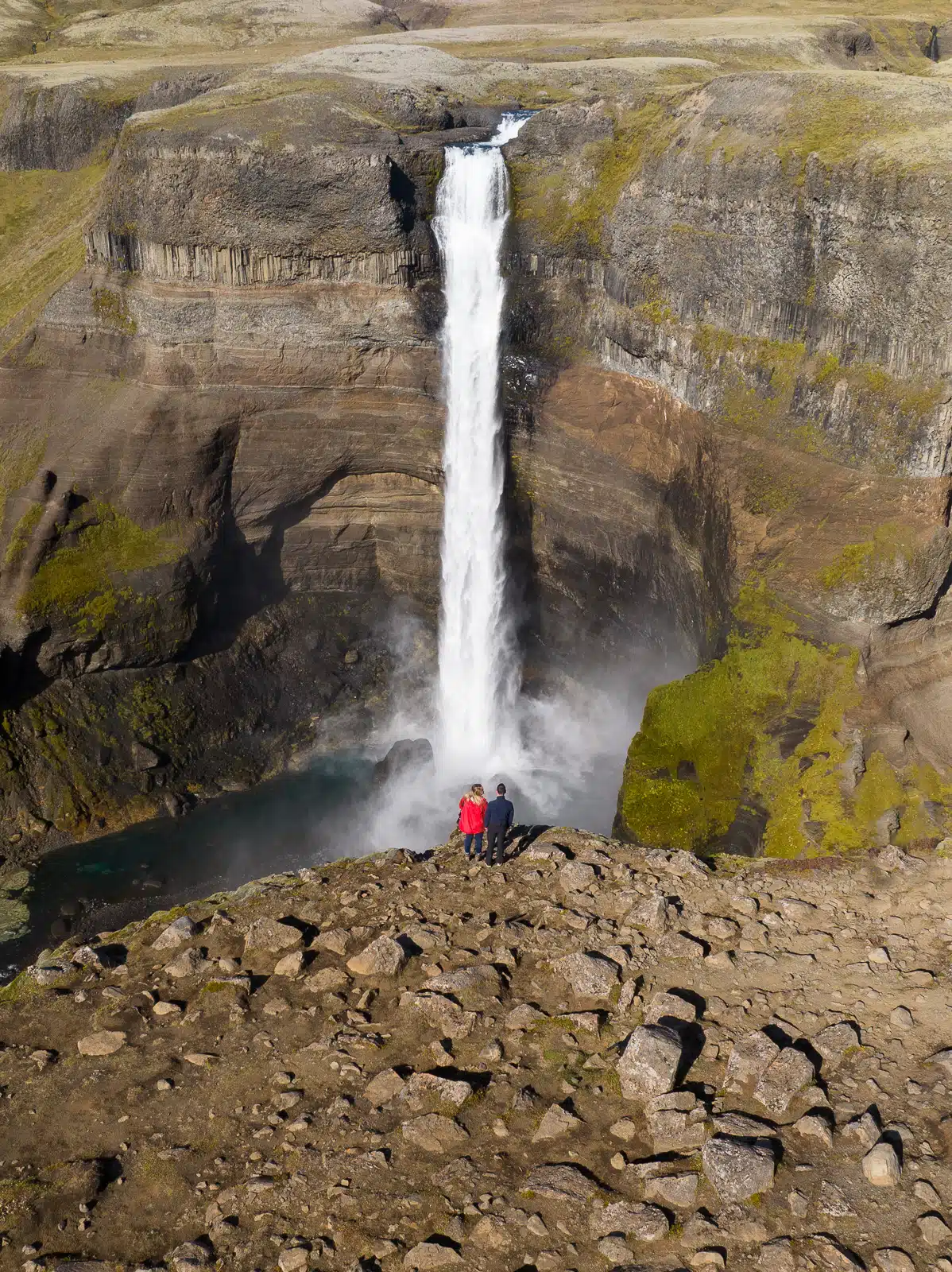
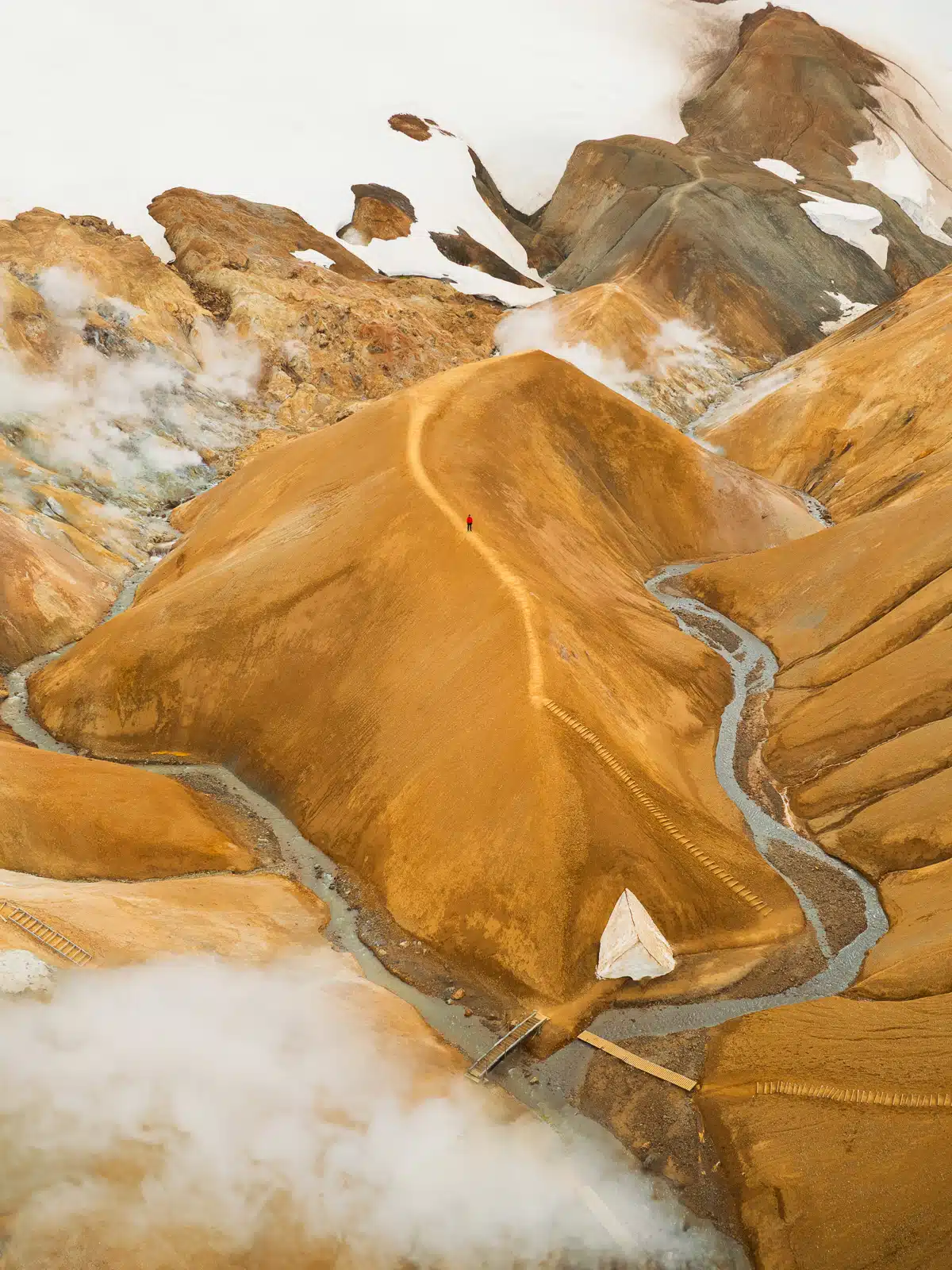
there were a few more people, but you just have to wait a little to have the place to yourself !
Go to the Westfjords
This is my number one recommendation for anyone returning to Iceland or who wants a different experience from their very first trip. The Westfjords are the wildest, most isolated and least visited region in the country. More people head into the Highlands during the three months they’re accessible than visit the Westfjords. To give you a sense of scale: 7000 inhabitants spread across nearly 22000 km² makes less than one person ever 300 hectares, so there are probably more sheep than people there.
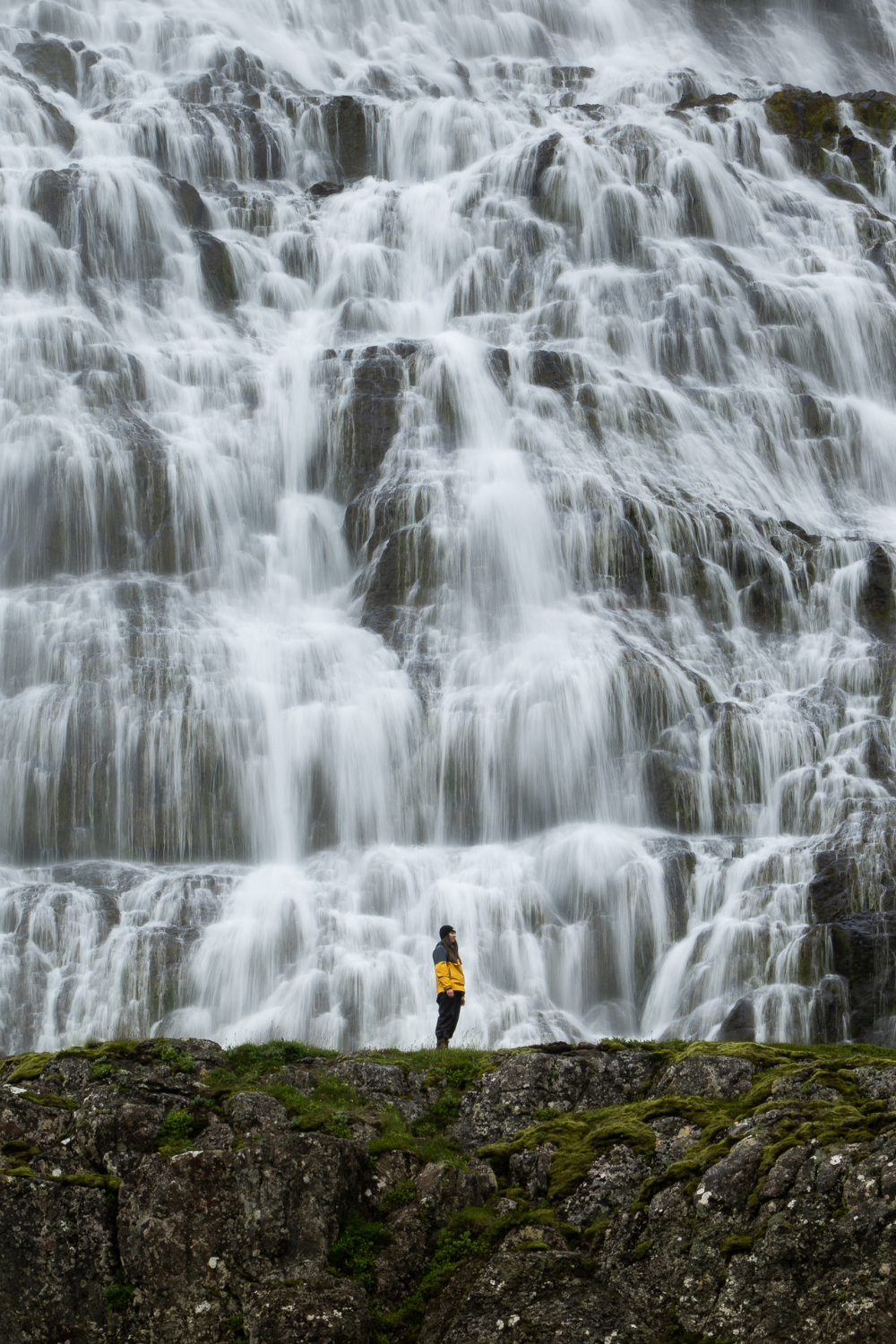
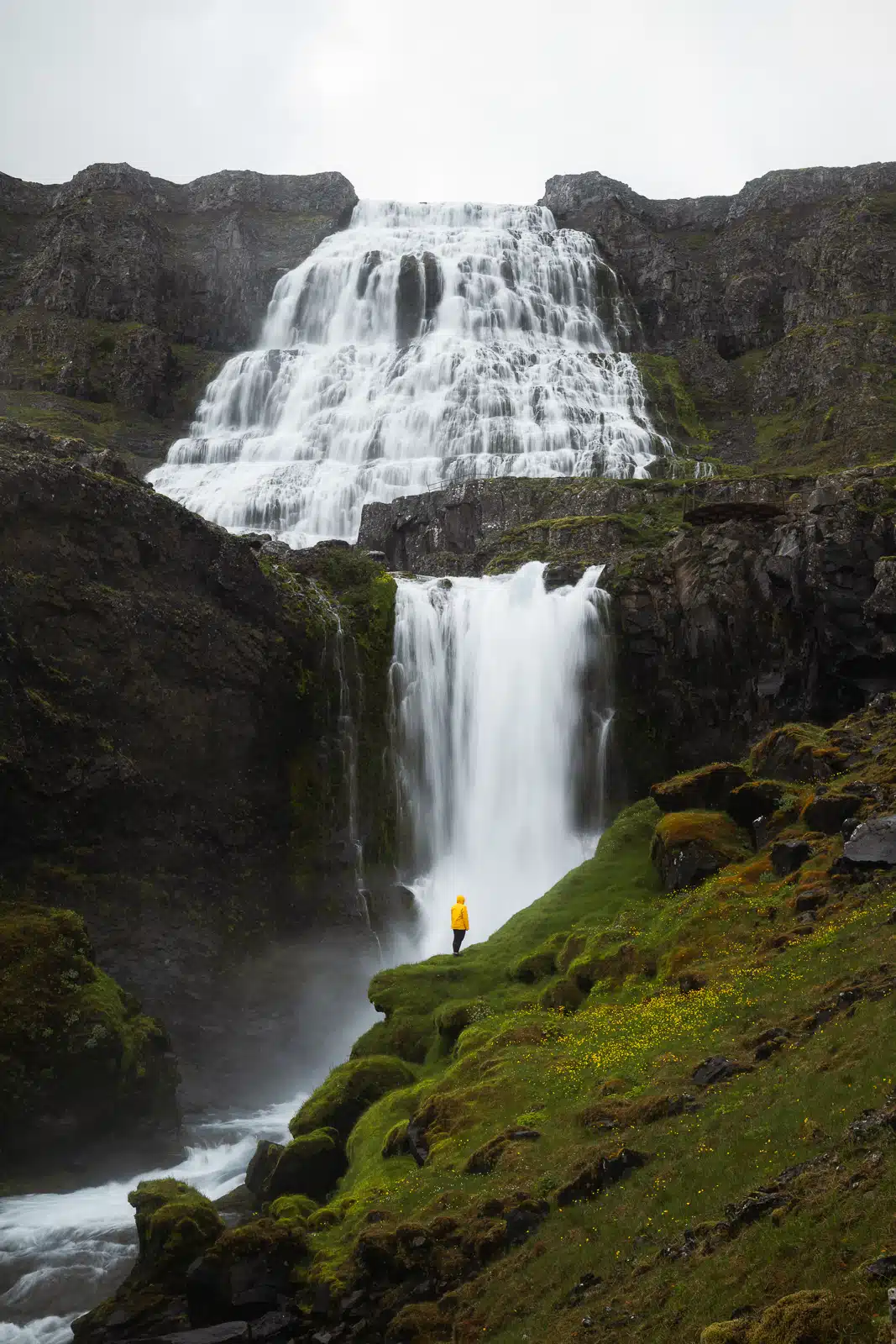
The landscapes are breathtaking. The Dynjandi waterfall, shaped like a wedding veil cascading down 100 metres, would be a major attraction if it was on Route 1. As it is, you sometimes visit it almost alone, okay, with maybe 2 or 3 other cars in the car park. The Látrabjarg cliffs with their puffins, the red sand beach at Rauðasandur, the hot springs at Pollurinn, the Hornstrandir peninsula only accessible by ferry with no roads whatsoever, you want peace, you name it, the Westfjords have everything going for them. Another advantage is that the roads can be long and winding and it’s FAR from the classic circuit.
Explore the East Fjords
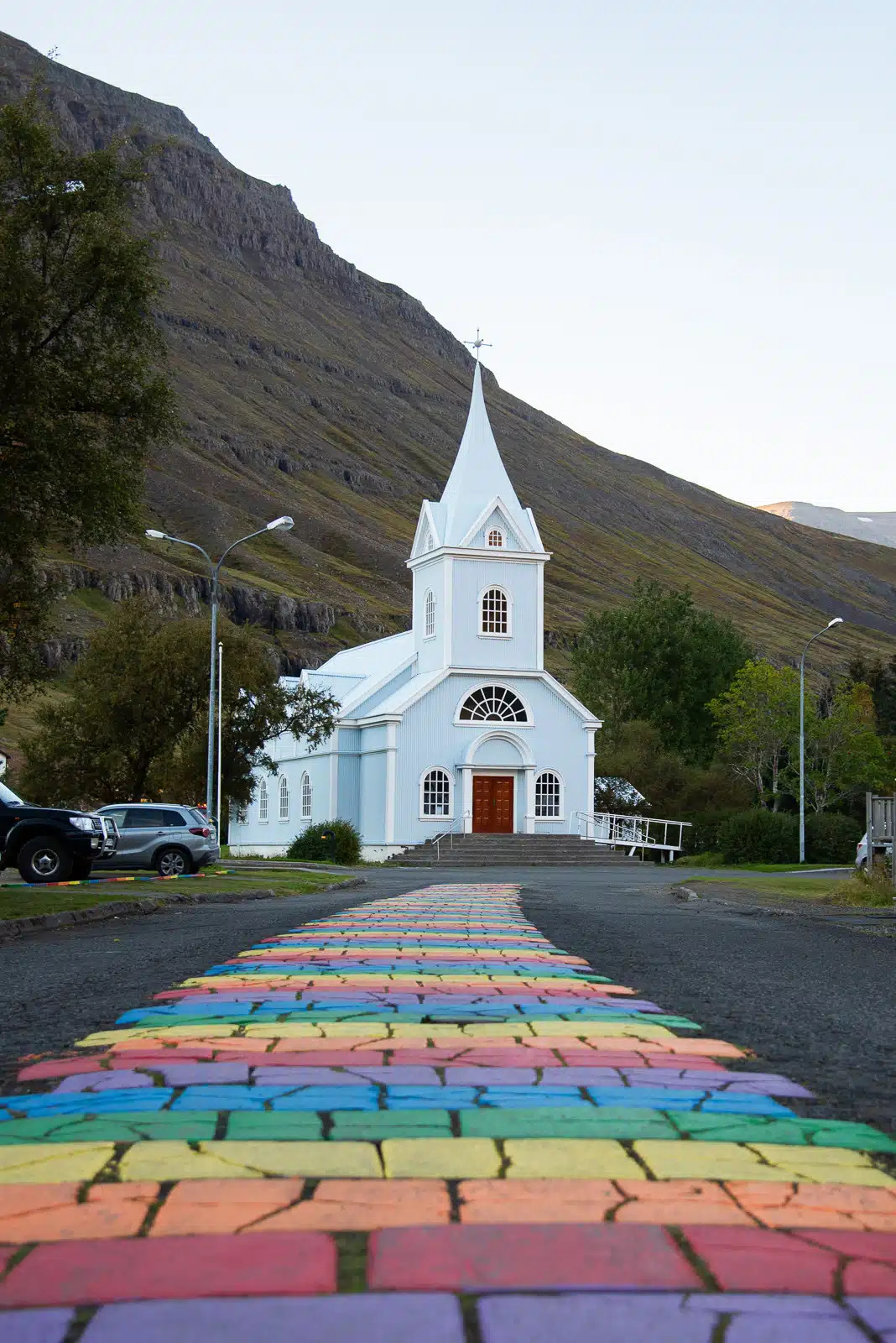
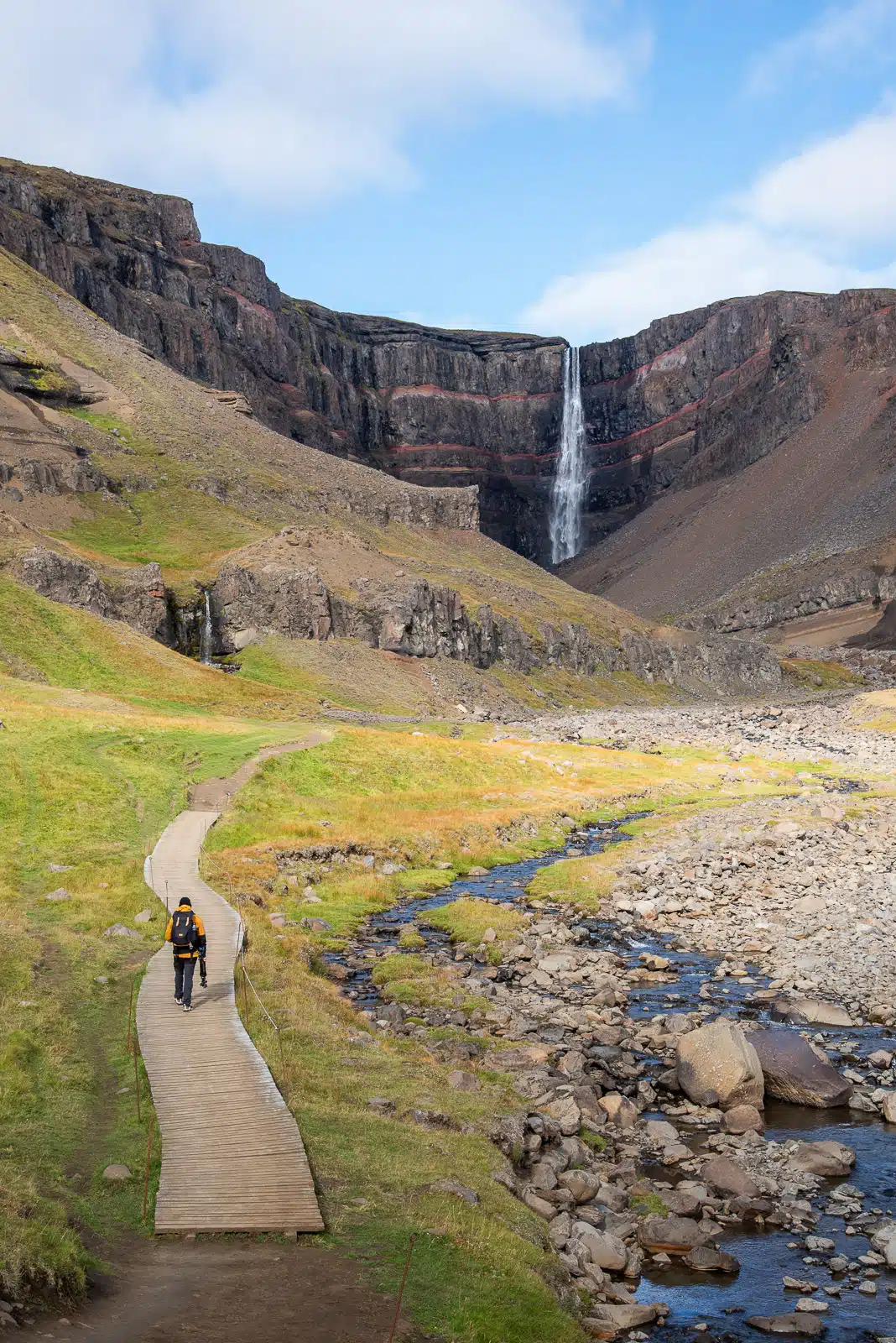
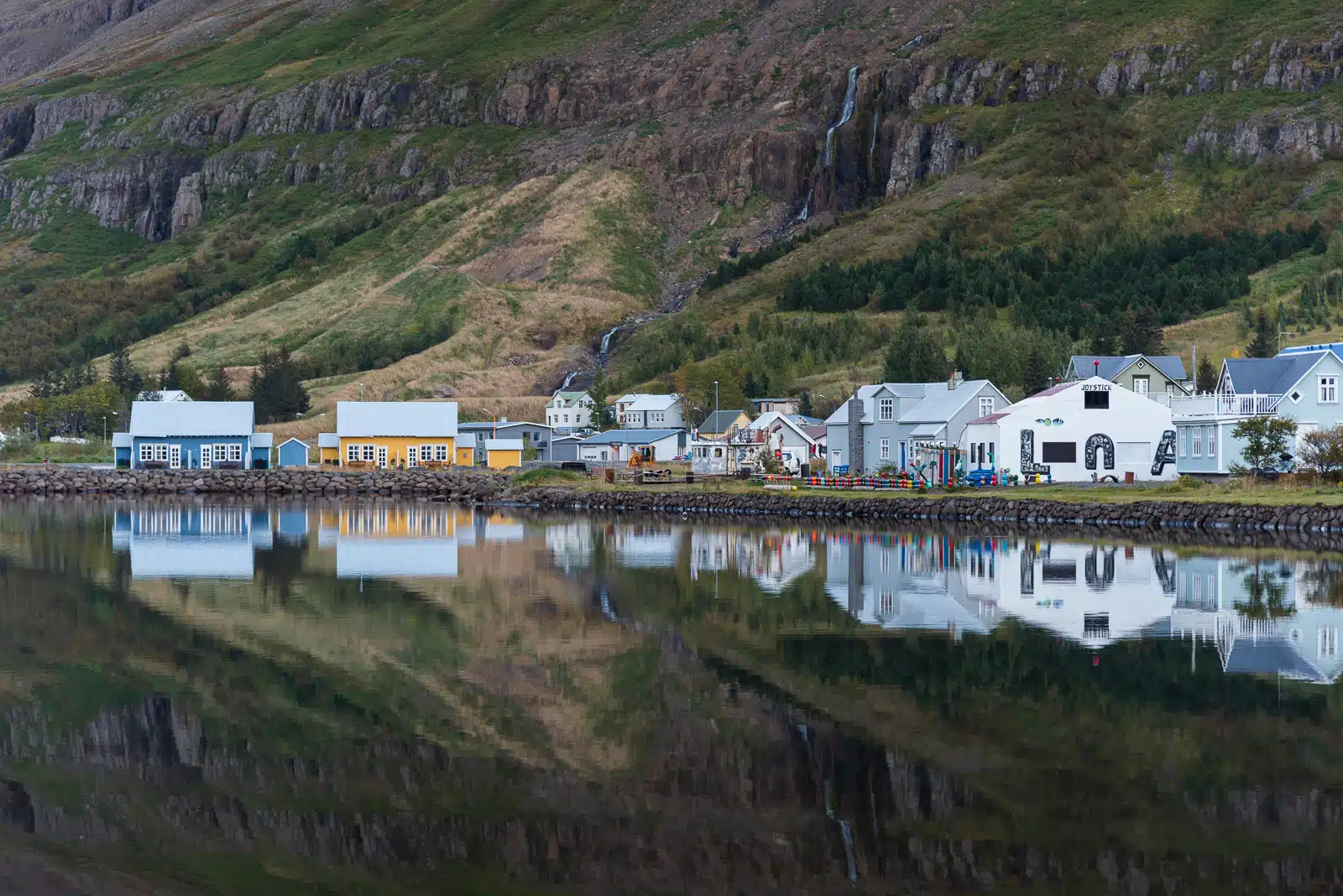
The East Fjords of Iceland are less visited than the more famous spots in the rest of the country. To be 100% honest, it’s the region I’ve explored the least (but I’m planning to fix that, because there are some stunning places there). It’s a region many people skip because it’s “far from everything”, which is exactly the reason to go. The coastal road between the fjords is spectacular, the small fishing villages have an authentic charm you no longer find on the south coast, and spots like Seyðisfjörður (the colourful village used as a filming location in The Secret Life of Walter Mitty) are absolutely worth the trip.
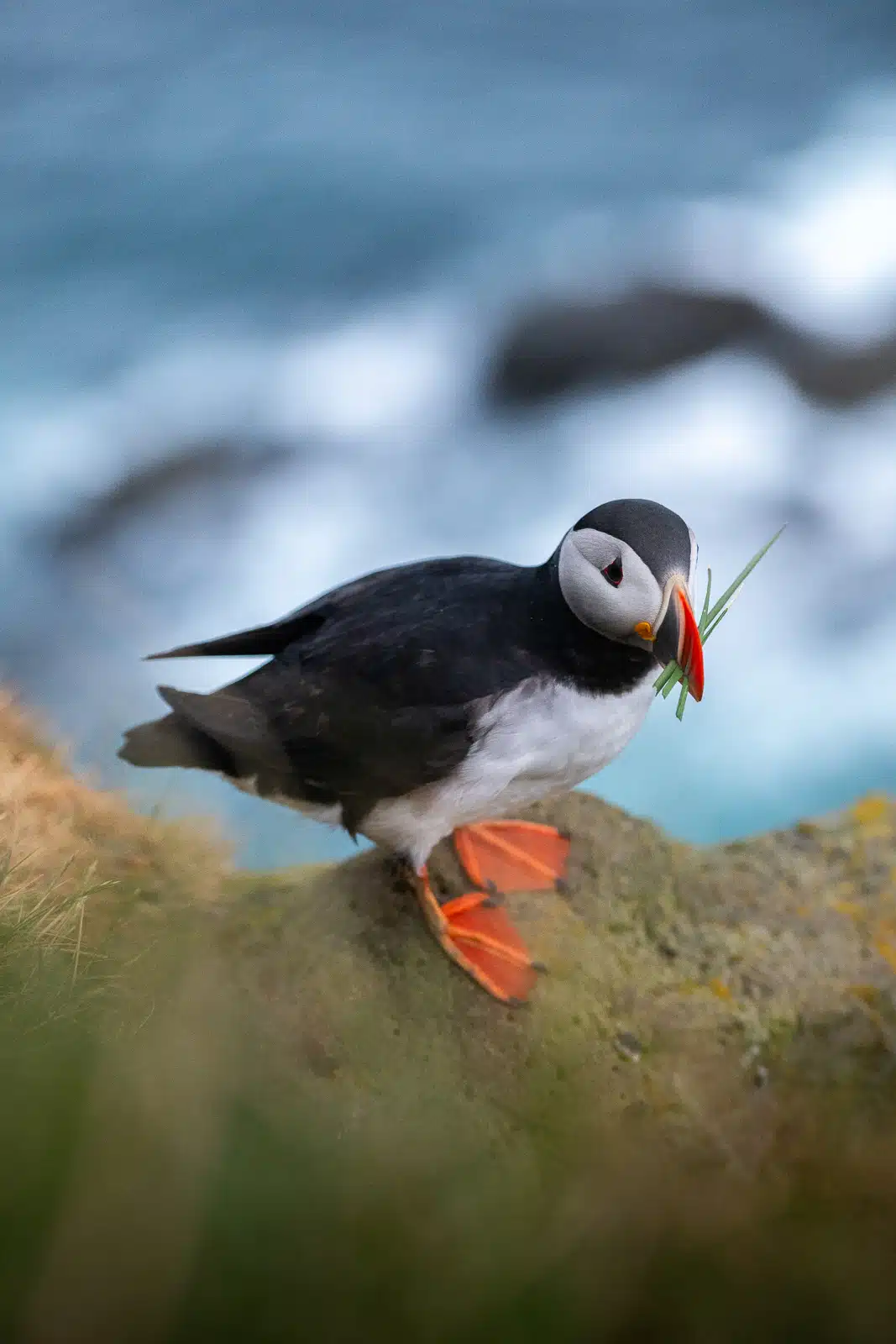
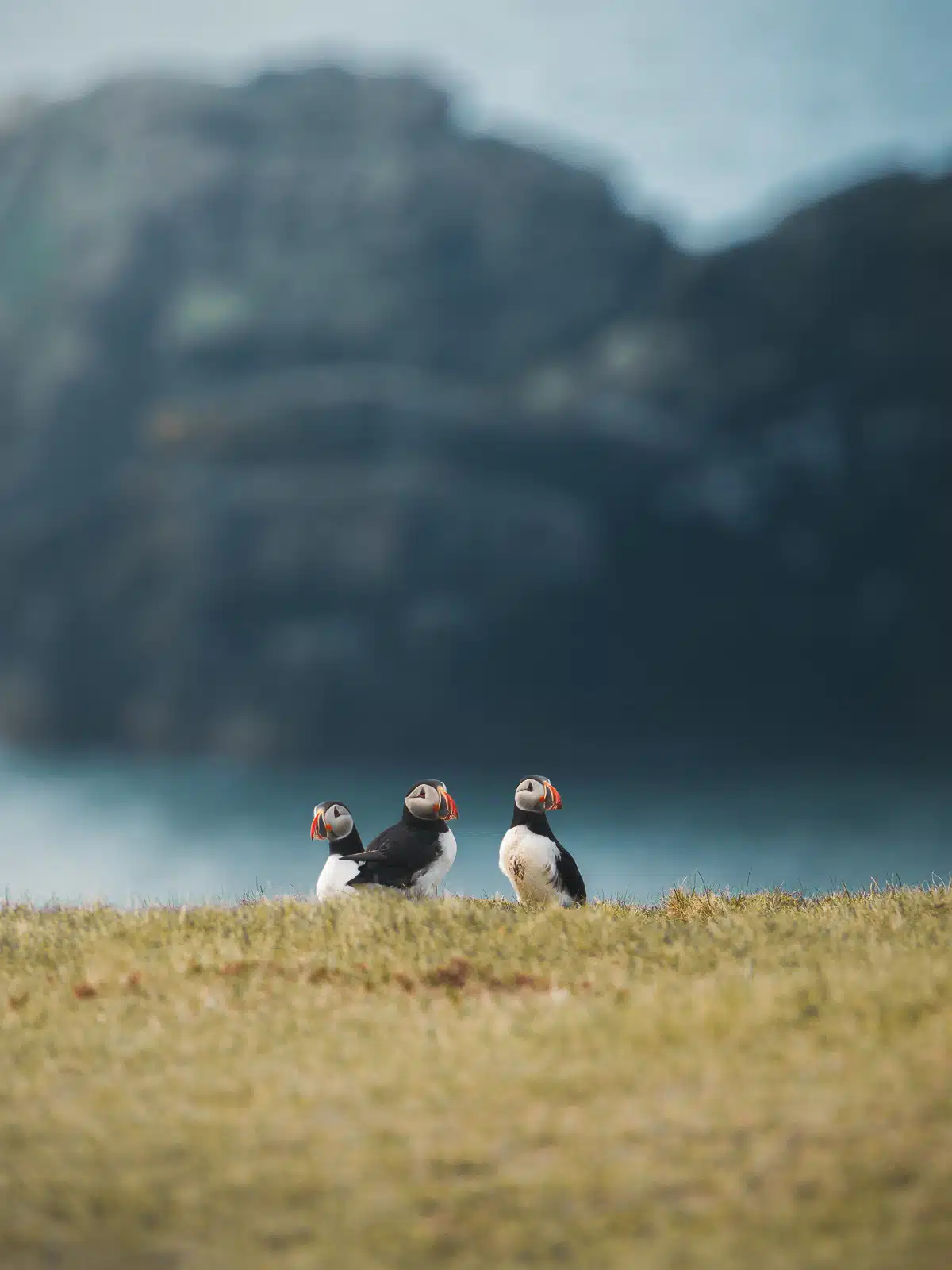
👉 Borgarfjörður Eystri is also one of the best puffin-spotting spots in Iceland, with purpose-built viewing platforms right at bird level. And again, the crowds really don’t show up there.
Discover the Highlands
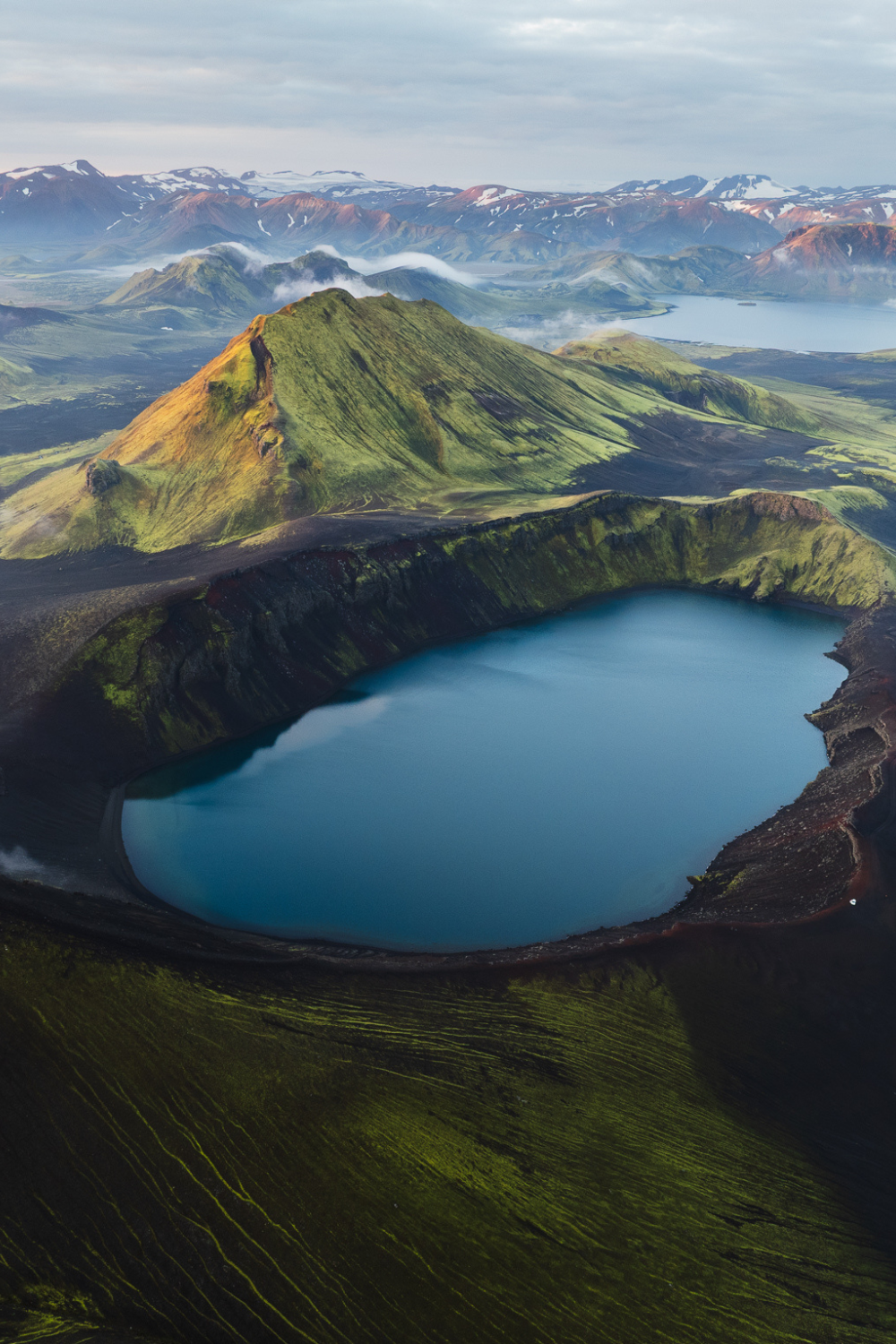
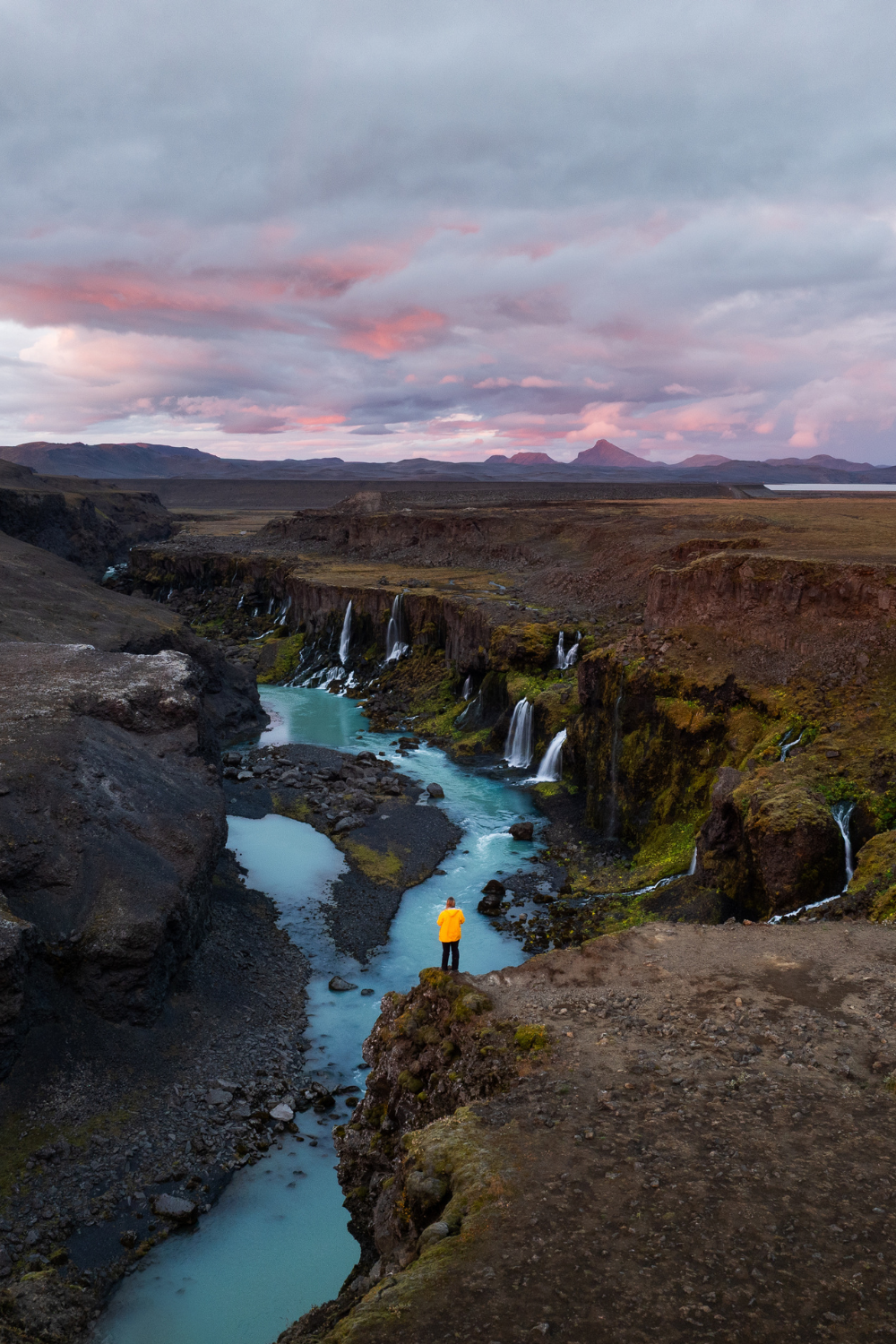
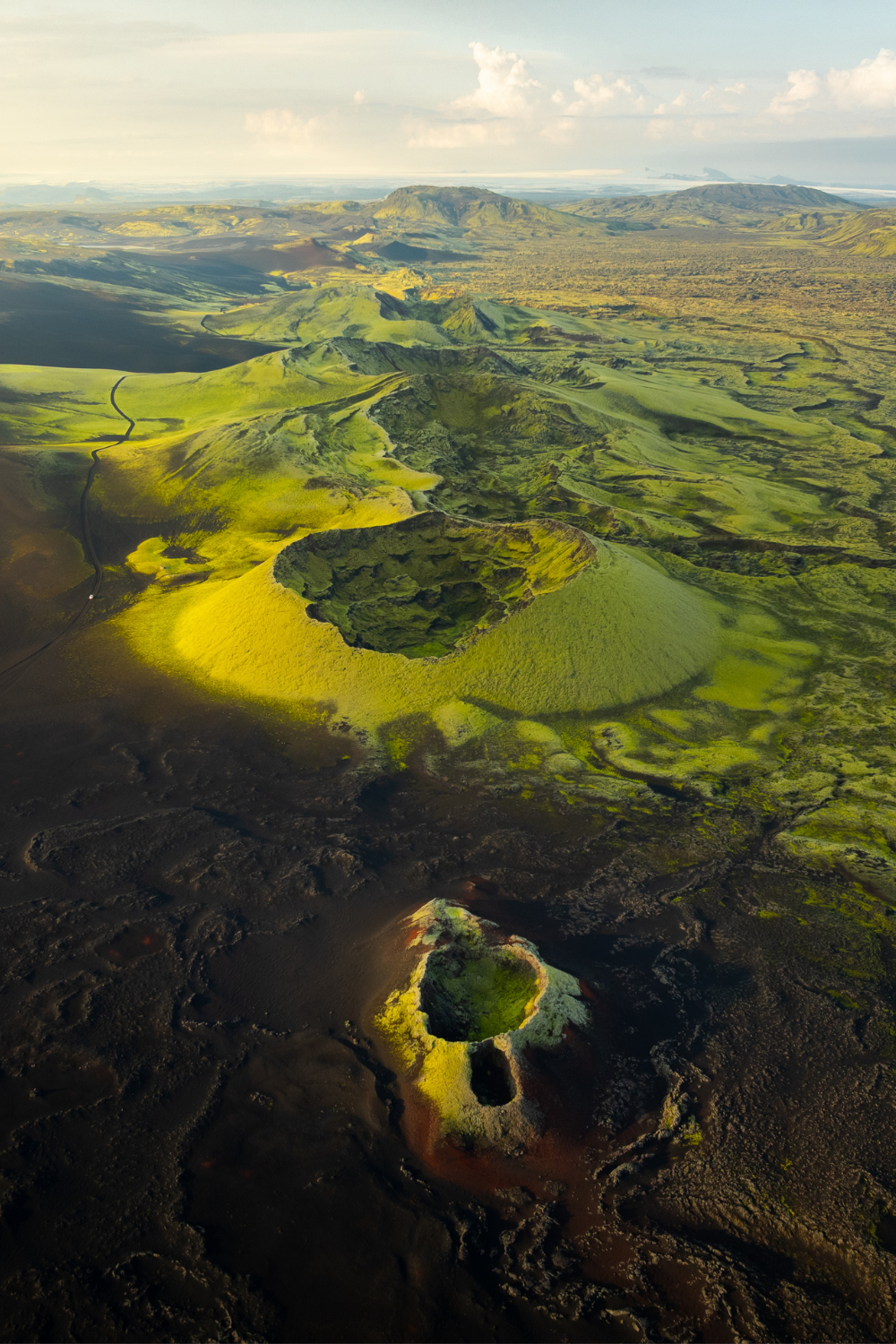
The Highlands are only accessible in summer, generally from mid-June to late September, and only in a 4WD. Those two constraints alone are enough to keep a large portion of tourists away : the ones who’ve rented a small city car, the ones who are stressed about driving on F-roads and fording rivers. Honestly, that’s a gift for the more adventurous travellers ☺️
I won’t pretend you won’t see anyone in the Highlands, that would be unlikely, BUT at this same time it’s entirely possible. Either way, the landscapes are so mind-blowing that you’ll barely notice the occasional car you cross paths with. The roads themselves are a spectacular experience, and you’ll almost certainly find yourself wanting to come back to the interior of the island.
👉 The Highlands could keep you busy for days on end, far from any crowds. That was my trip in July 2025, 12 days in the Highlands. I still dream about going back even though I’ve visited most of the spots ! Being alone in places like that is a magical feeling.
Avoid the south coast in high season (or go very early)
The south coast is the most visited area in Iceland after Reykjavík. Between Seljalandsfoss, Skógafoss, Reynisfjara, Diamond Beach, and Jökulsárlón, it’s a string of iconic sites, and the car parks reflect that in the middle of summer.
👉 If you can’t avoid them (and I get it, they’re stunning), the golden rule stays the same : arrive before 9AM or after 8PM. The difference will be huge.
Travel in late August or early September
Technically, it’s still summer ! The Highlands roads are still open, the light is already golden at reasonable hours, and most importantly families with kids have gone back to school. I’ve noticed that visitor numbers drop noticeably after August 20th, and prices as well. If your schedule allows it, this is clearly the ideal window.
👉 If that period doesn’t work for you, know that early to mid-June offers the same advantages, with the bonus of puffins and lupins on top of everything else. Prices are slightly higher, but worth it.
Use real-time crowd tools
Visit Iceland offers a crowd monitoring dashboard for natural sites, with infrared sensors at some iconic locations. The tool is still imperfect, not every site is listed and it’s not the easiest to use, but it can give you an idea of peak times and help you adjust your schedule.
The website road.is for road conditions is also essential : some roads close without warning and redirect entire flows of people towards the same alternatives. Road closures in summer are fairly rare, but they do happen, like after a localized flood, as it happened in 2025. These roads closures can redirect an entire flow of people in a certain area, so make sure you’re not there or leave ☺️
The spots you can’t really escape (and how to visit them anyway)
There are certain must-sees you’ll want to visit, no matter if it’s crowdy or not. And that’s completely fair, tourist spots are popular for a reason. Even though I’ve been multiple times, I keep going back to these places because they’re incredibly beautiful (some of them are even my favorites). Here’s how to make the most of them in summer without seeing too much of people :
🏞️ Skógafoss : best visited early morning or in the evening, golden hour really sets off the waterfall beautifully. In summer, take advantage of the midnight sun to have it all to yourself and avoid the tour buses that roll in during the middle of the day.
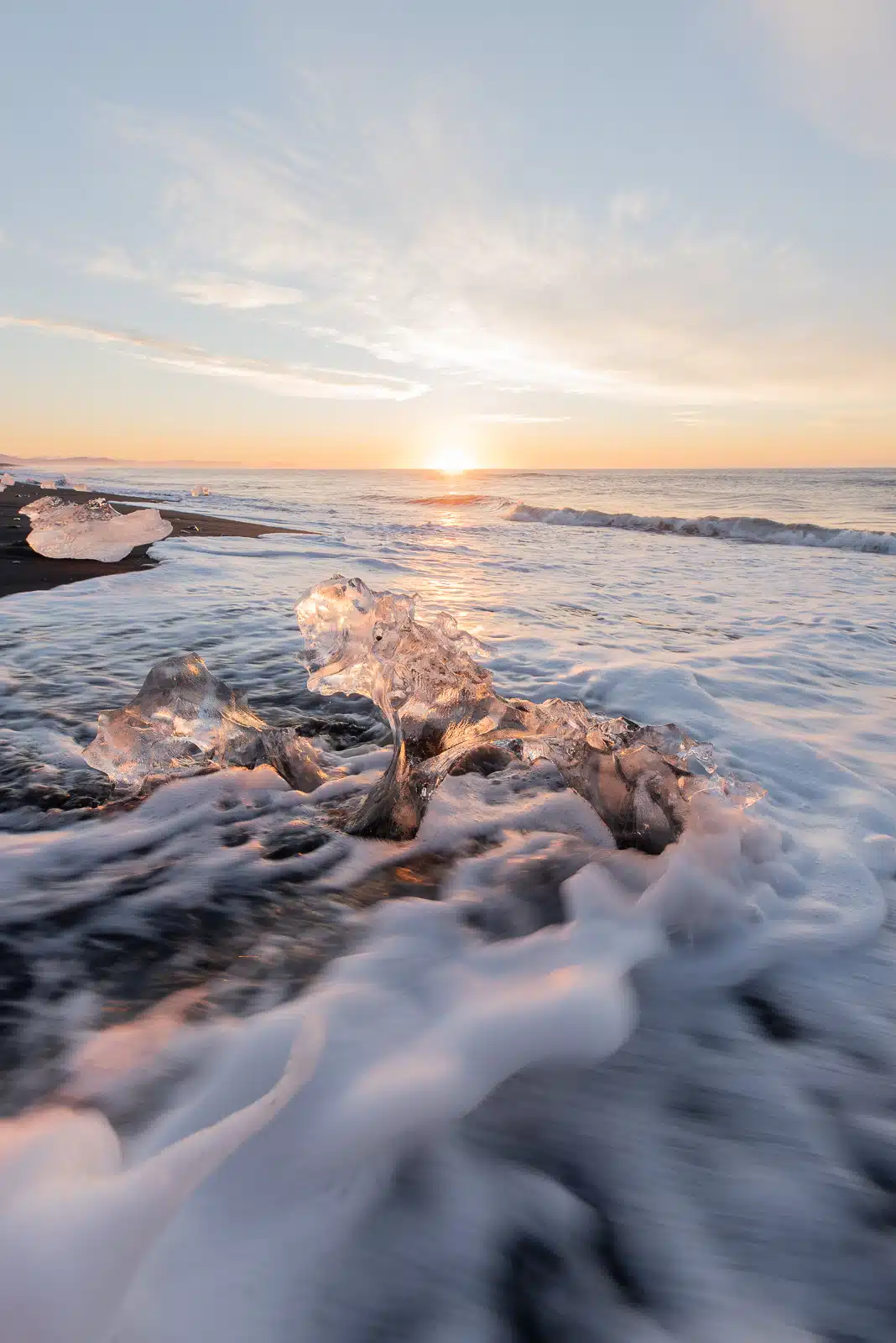
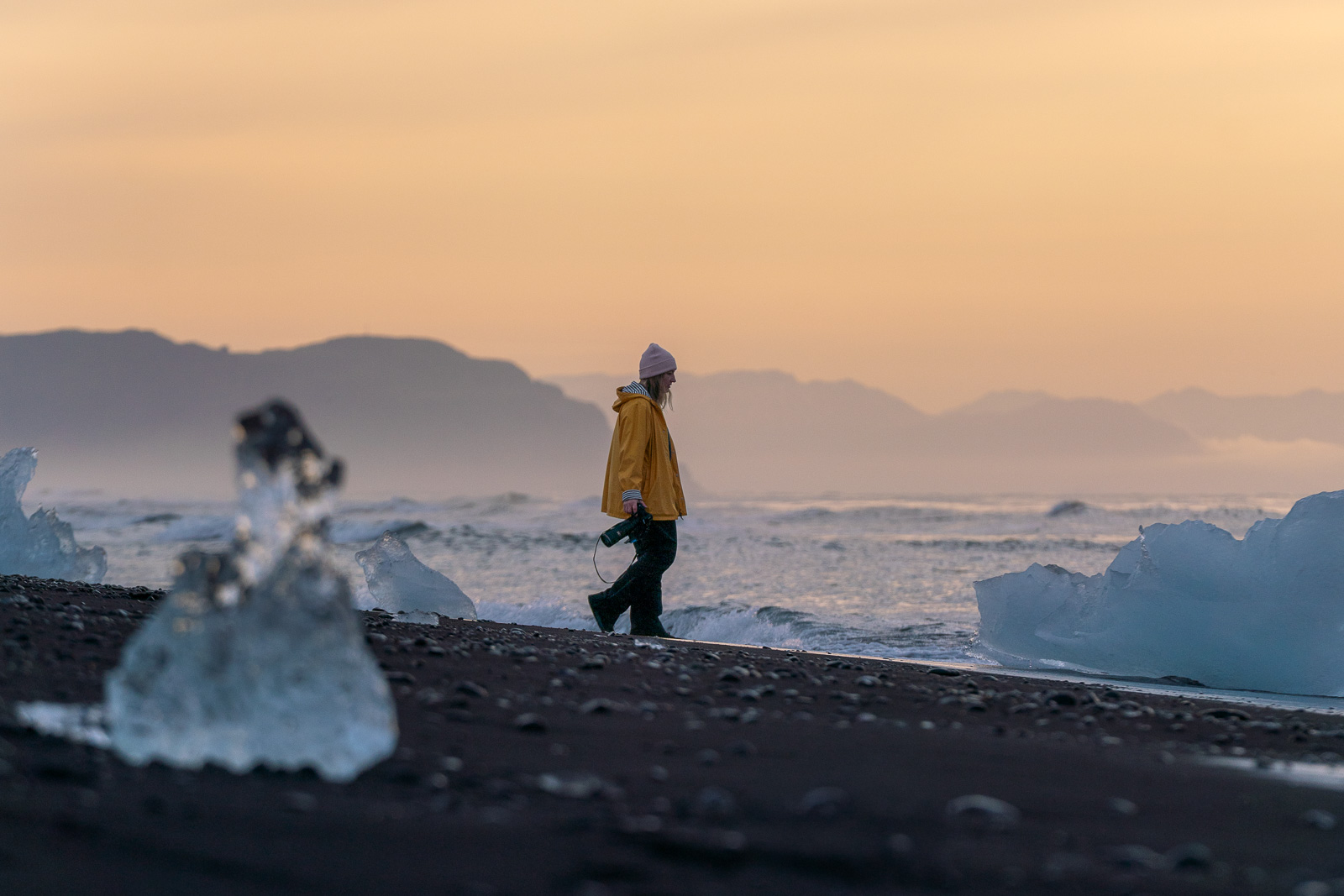
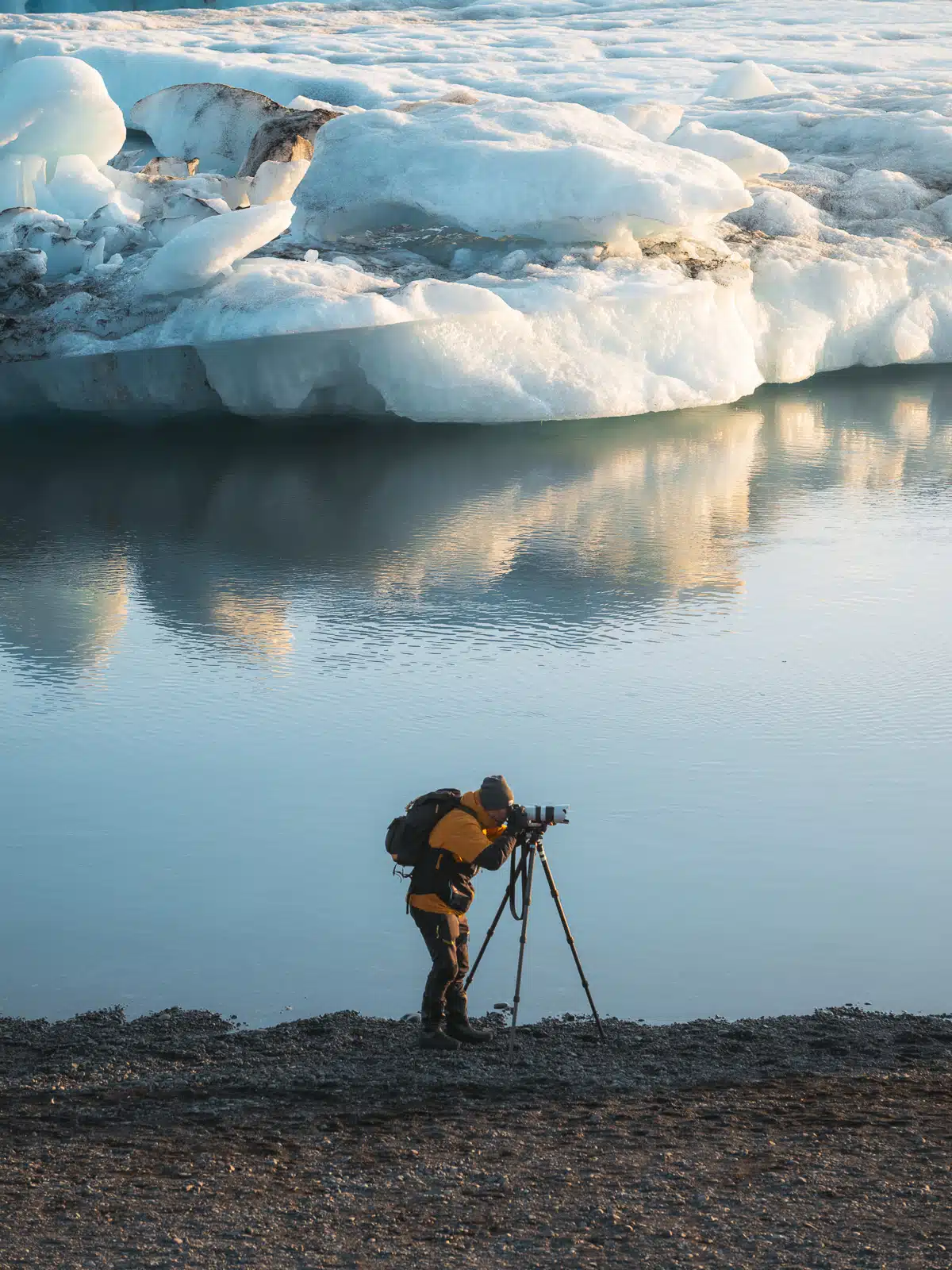
🧊 Jökulsárlón and Diamond Beach : arrive just before sunrise. The car park is often full by 10AM in July. At 3 or 4AM it’s almost empty and the light is perfect for photography. Also save some time for Fjallsárlón glacier lagoon nearby, it’s less well-known and just as beautiful.
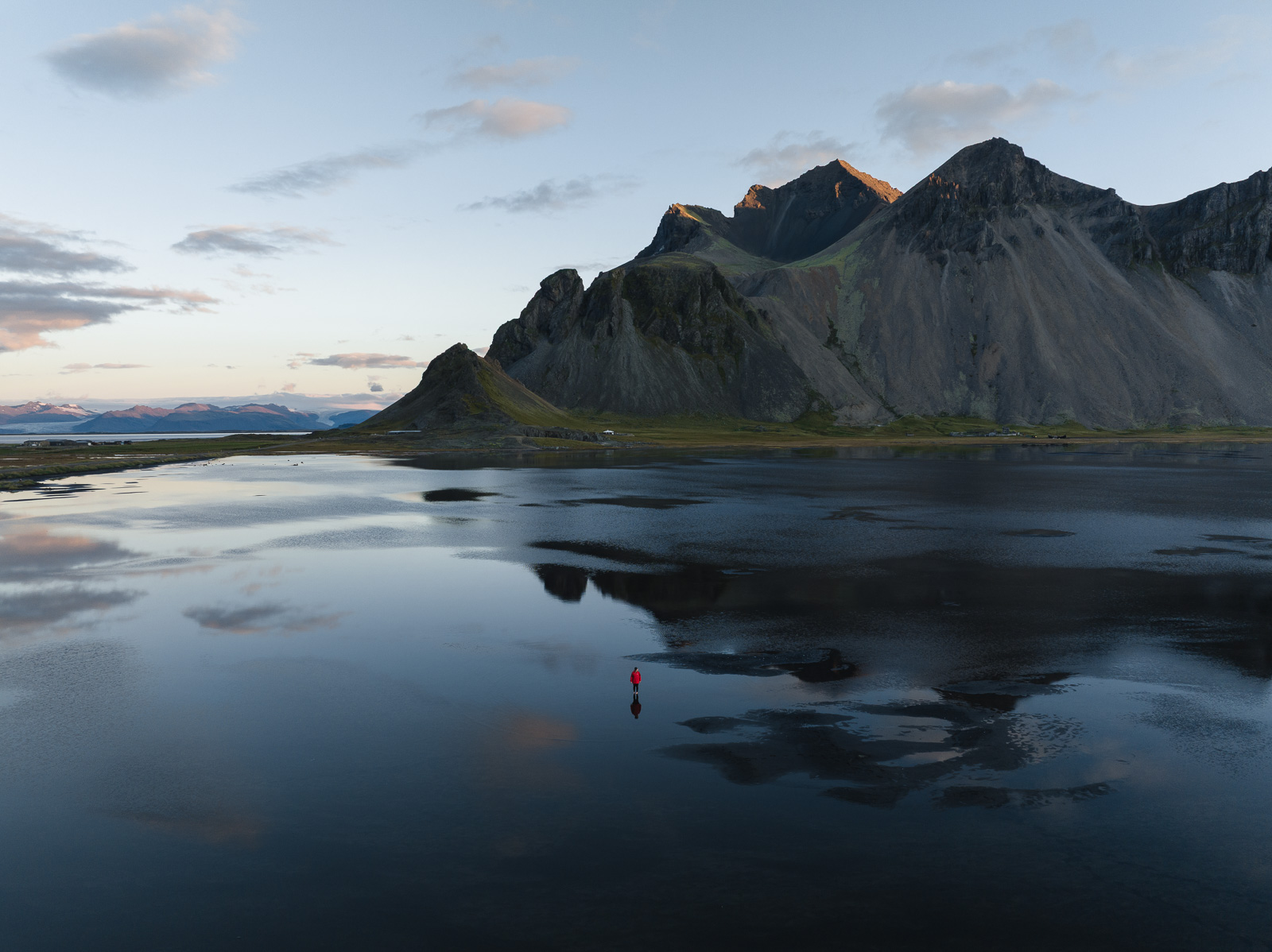
🏔️ Stokksnes : this iconic spot with Vestrahorn as a backdrop charges an entry fee (1,000 ISK to access the beach via the Viking Café), which already naturally regulates the crowds a little. Whatever the weather, this place is beautiful, late in the day for golden light on the mountain, in stormy conditions for a dramatic atmosphere… Absolutely avoid midday : the car park is full and the tide is out, which makes the water mirror disappear.
♨️ Blue Lagoon: (warning, I’ve never actually been, so I’m only passing on what friends have told me). Book online in advance, several weeks ahead in summer. Prices have gone up considerably in recent years (budget at least 80-120€). If that’s out of budget, Iceland’s public geothermal pools offer an equally authentic experience for just a few euros, I’ll be writing about that in detail in my article on Iceland’s hot springs, coming soon.
💦 Geysir : the Strokkur geyser erupts every 5 to 10 minutes. Go in and out quickly in the early morning, take your photo, and move on, no need to spend two hours there. The surrounding area is nice to walk around, but it’s always busy whatever the time of day.
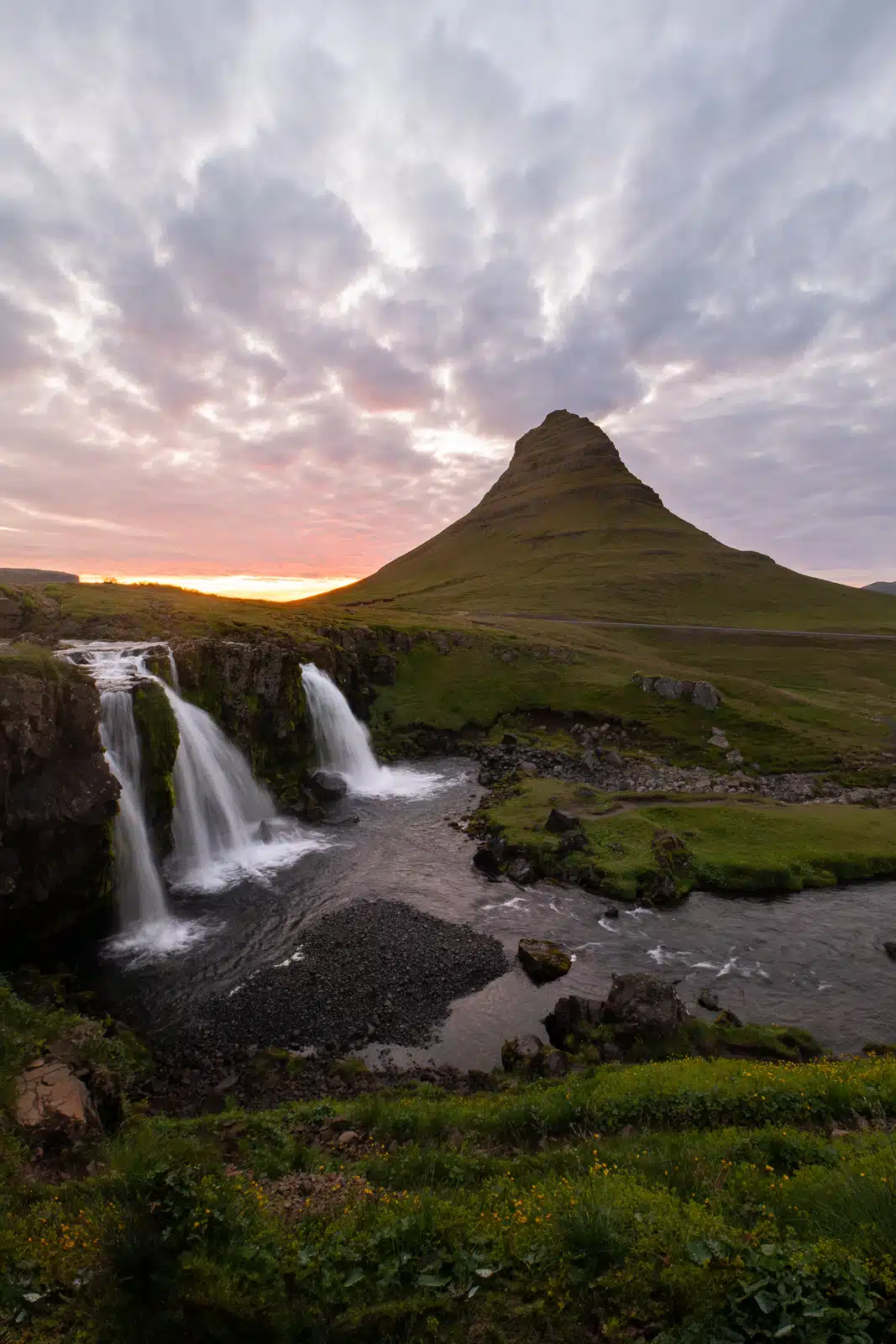
⛰️ Kirkjufell : the most photographed mountain in Iceland (and for good reason, it’s stunning) is on the Snæfellsnes Peninsula, about 2.5 hours from Reykjavík. The good news : most visitors gather around the classic view from Kirkjufellsfoss, the small waterfall in the foreground. If you’re willing to walk a bit and explore less obvious angles around the mountain, you’ll easily find original compositions with far fewer people around. Again, evening and morning are your best friends. I was there at 2AM in July with only 5 tripods around me (a photography workshop) which is basically a miracle at that spot.
What to not expect
Let’s stay honest : like most of places around the world, July and August are packed months. Some moments of total solitude in the Icelandic wilderness will require either a lot of luck, a lot of effort, or a mix of both. Social media and travel blogs have turned every “hidden spot” public within a few years. Places I used to visit almost alone 4 years ago now have dozens of cars in their car parks. I know I also contribute to that through social media, my blog, and even my Iceland guide, but I truly believe we can also “redistribute” people towards other equally beautiful and lesser-known places, as long as we respect them.
And for the spots that are almost completely off the tourist radar, there are the Westfjords, Hornstrandir, the Highlands, the small unnamed roads you’ll turn down “just to see” and stumble onto something extraordinary you never read about anywhere. That’s exactly what I wish for you on your next trip to Iceland !
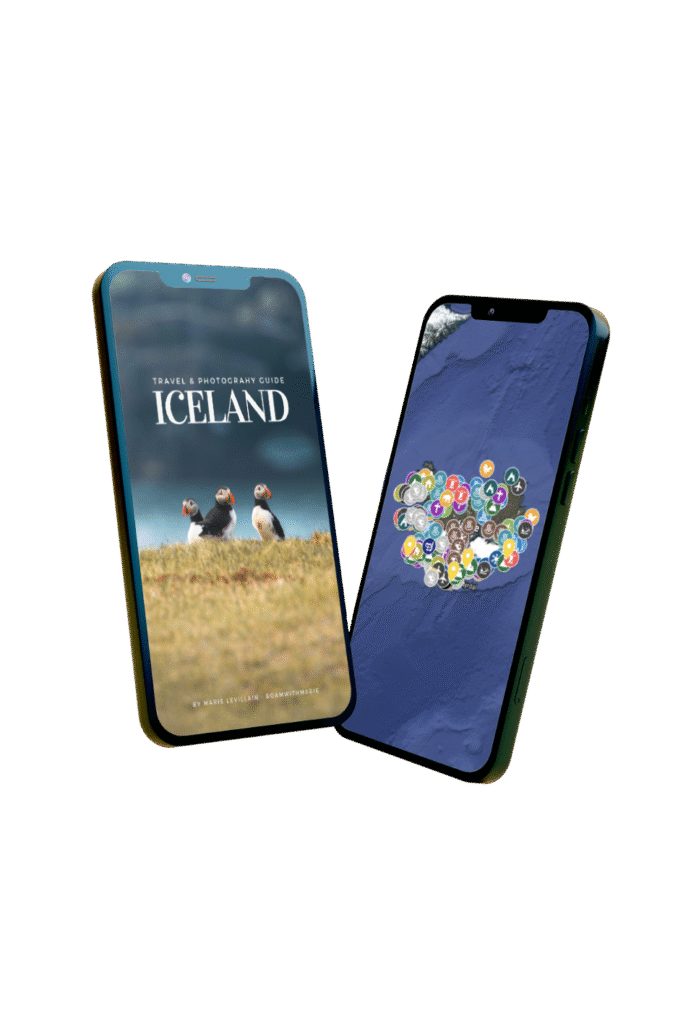
And if you want discover another side of Iceland with fewer people around, my Iceland Photography Map includes over 400 photo spots spread across the entire island. In the description of each location, you’ll find :
- ccess information
- the best light conditions
- what gear to bring
- where to park and how much it costs
- the best season to visit
- useful links
Each spot also comes with my own photography tips and composition ideas.
The map helps you build a coherent itinerary without wasting hours cross-checking scattered and sometimes inaccurate information found online.
The map is updated for life, you don’t need to buy it again. Every time I update it, the map on our device is updated too ❤️
I hope Iceland puts as many stars in your eyes as it does in mine ! Have a wonderful trip 🇮🇸
Marie