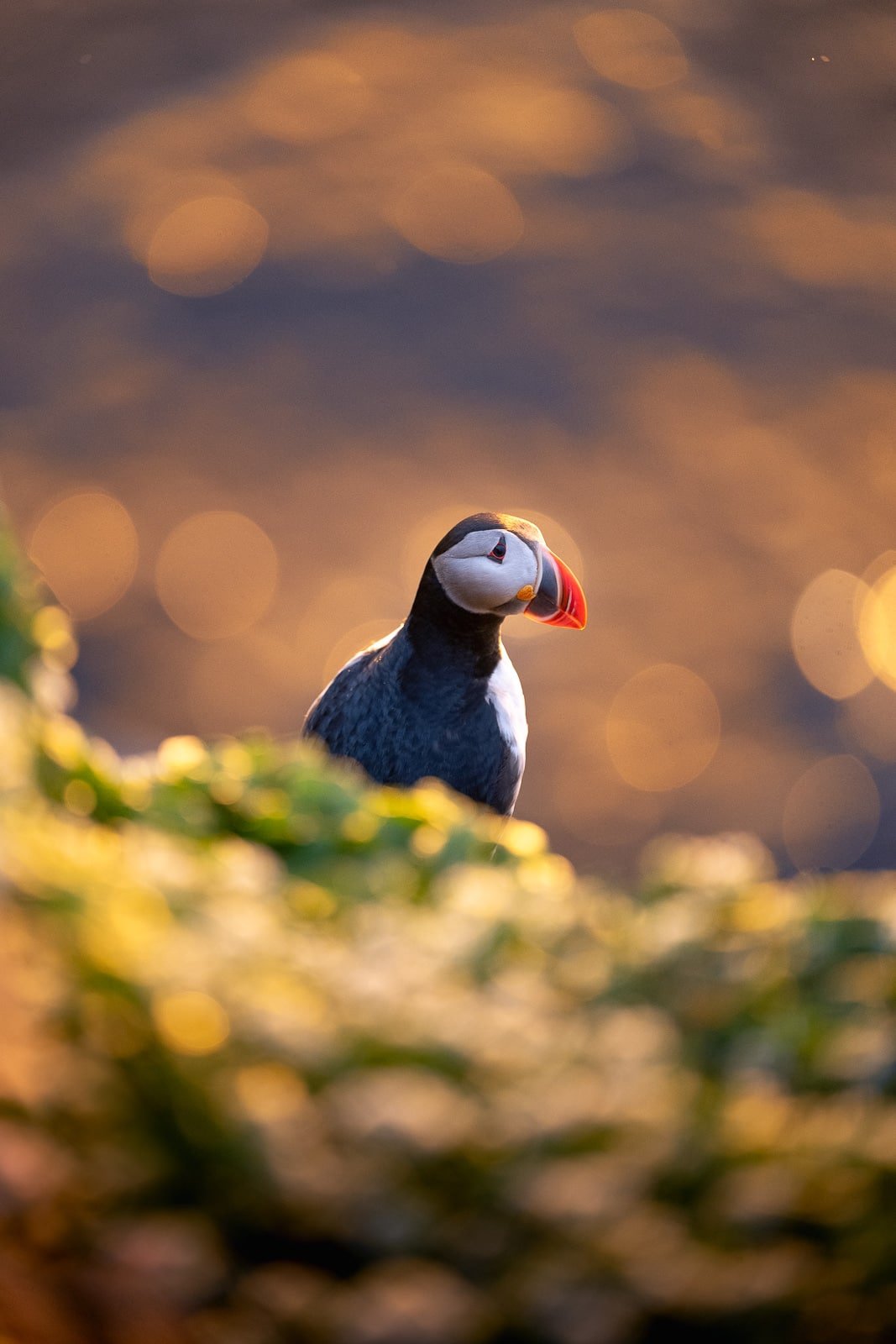
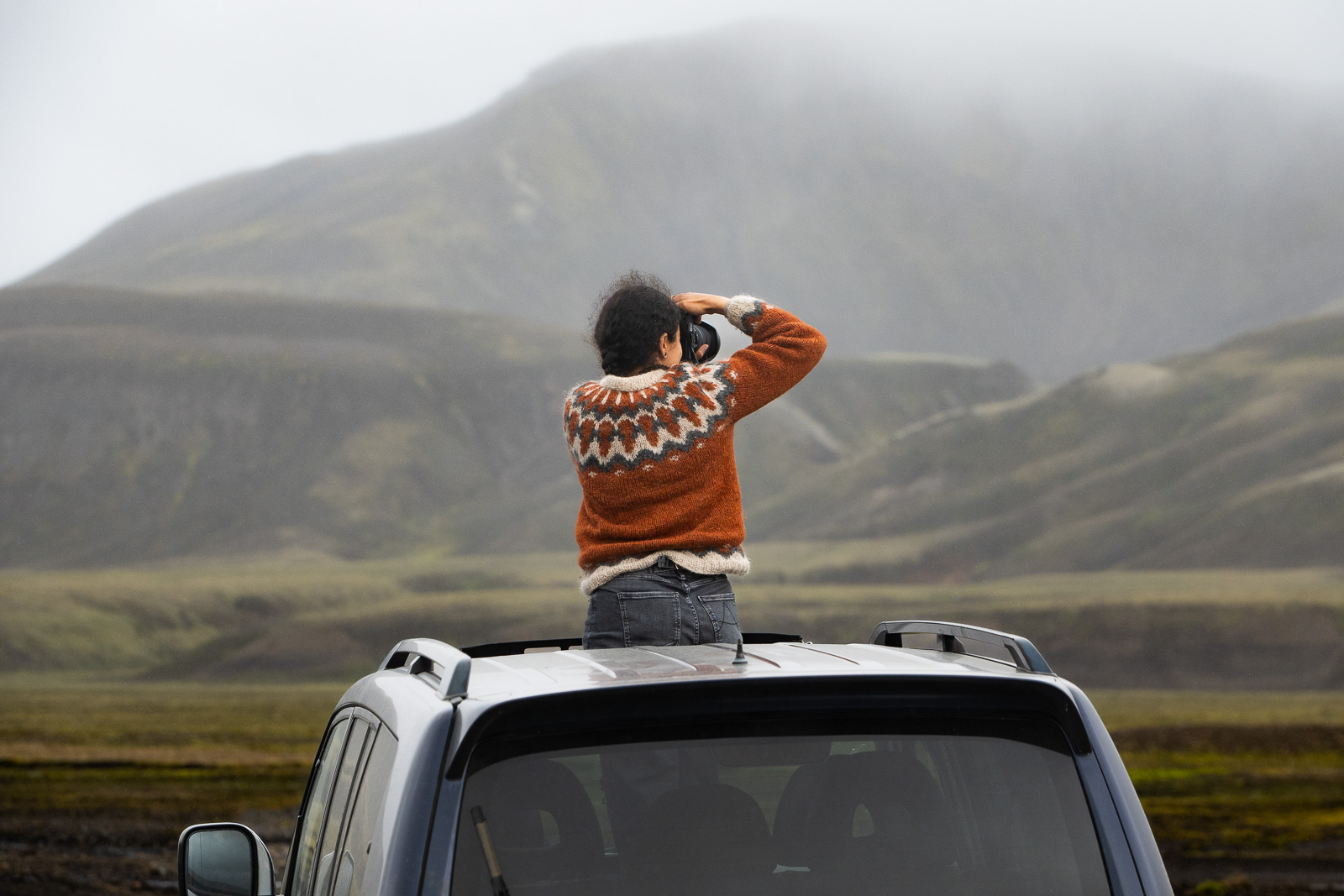
It’s basically impossible to make a definitive list of the most beautiful waterfalls in Iceland, because they all have that little something that makes them unique, but let’s try anyway 😅 They say Iceland has over 10000 waterfalls, and it’s true, they’re literally EVERYWHERE ! After five trips there, I’ve seen a lot of them and I’m hoping to discover even more this summer during my big two months trip. So for this article I’ve chosen the ten most beautiful waterfalls in Iceland based on their photographic potential, and I’ve thrown in a photo tip or two for each one. This list might evolve in the future.

Skógafoss
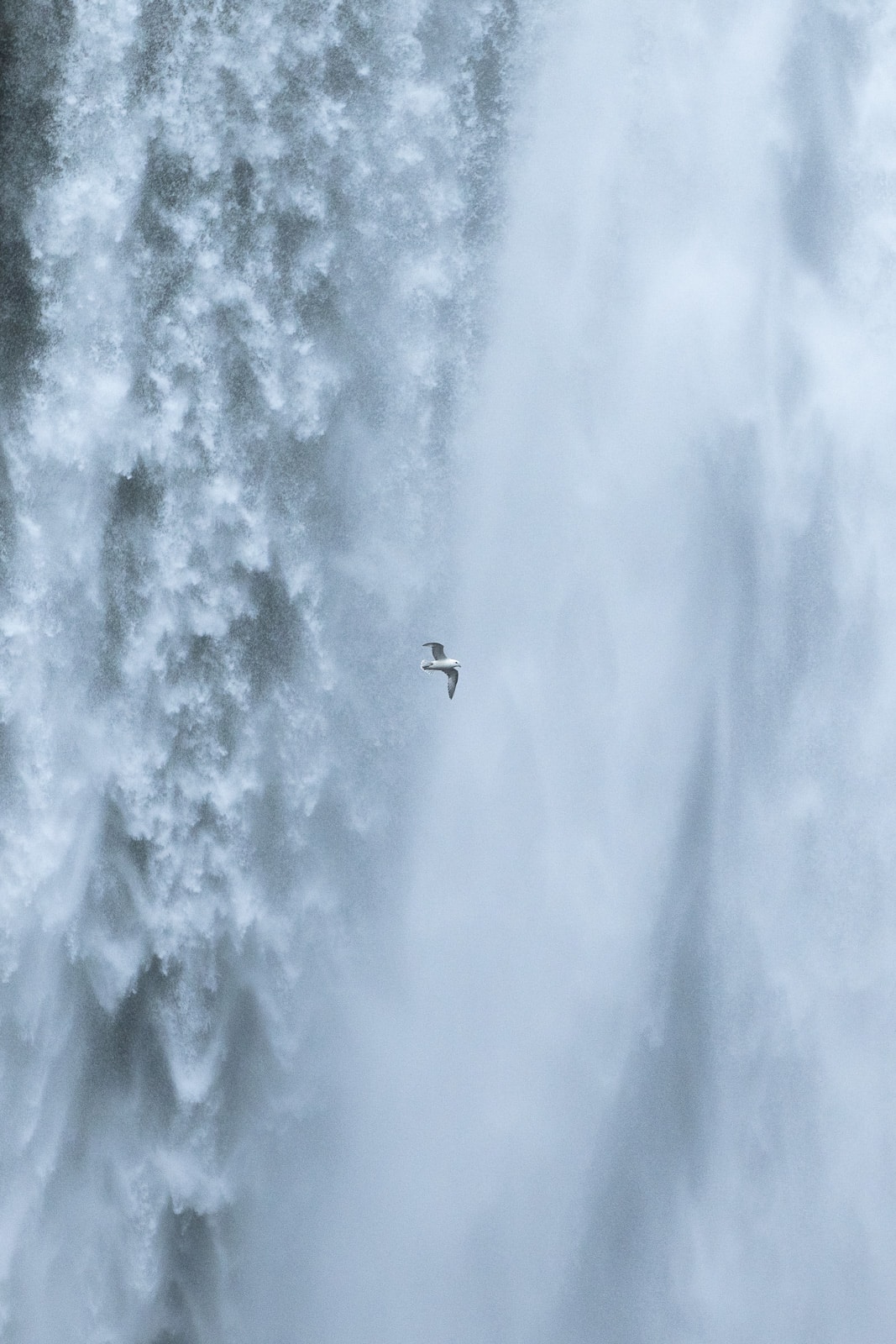
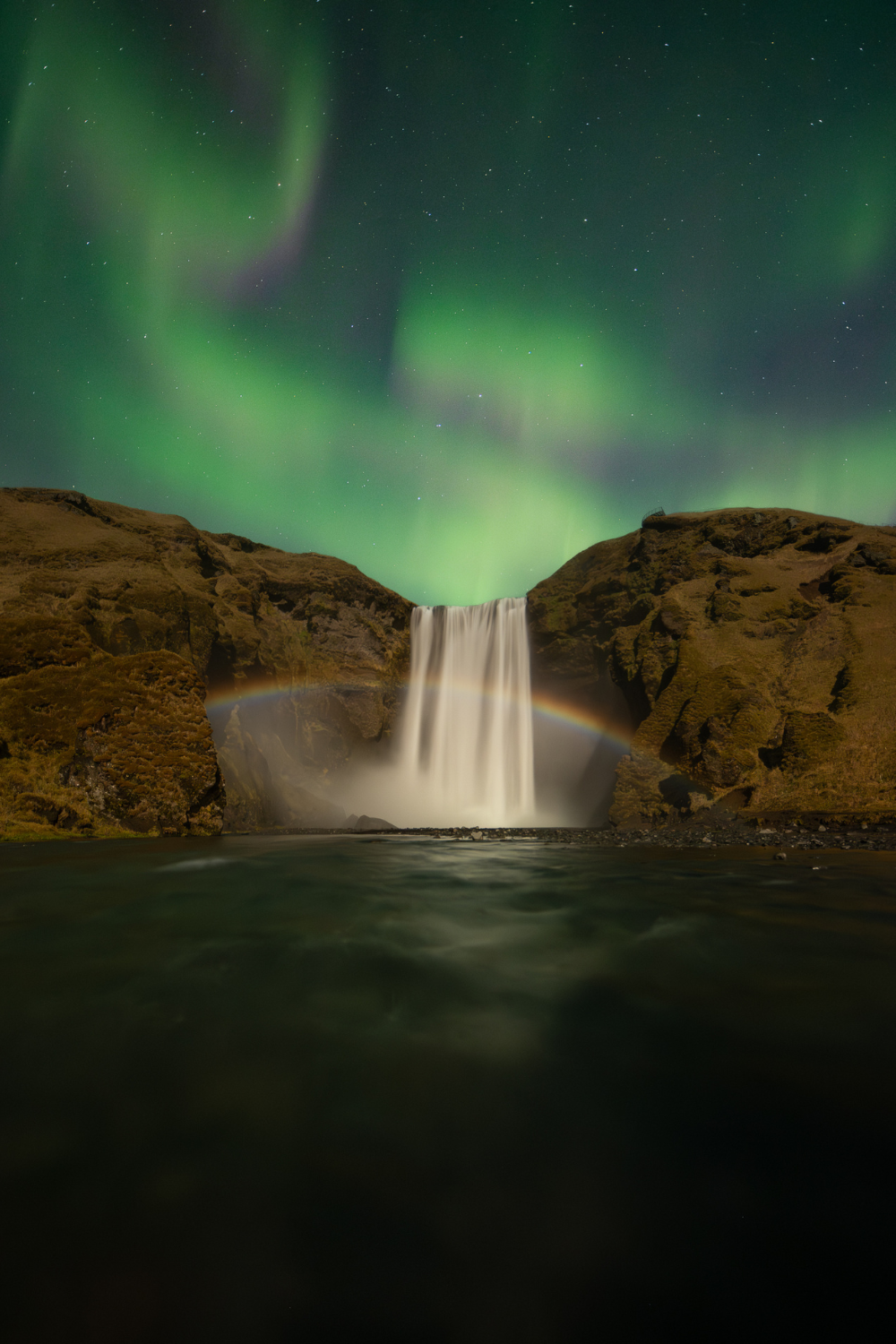
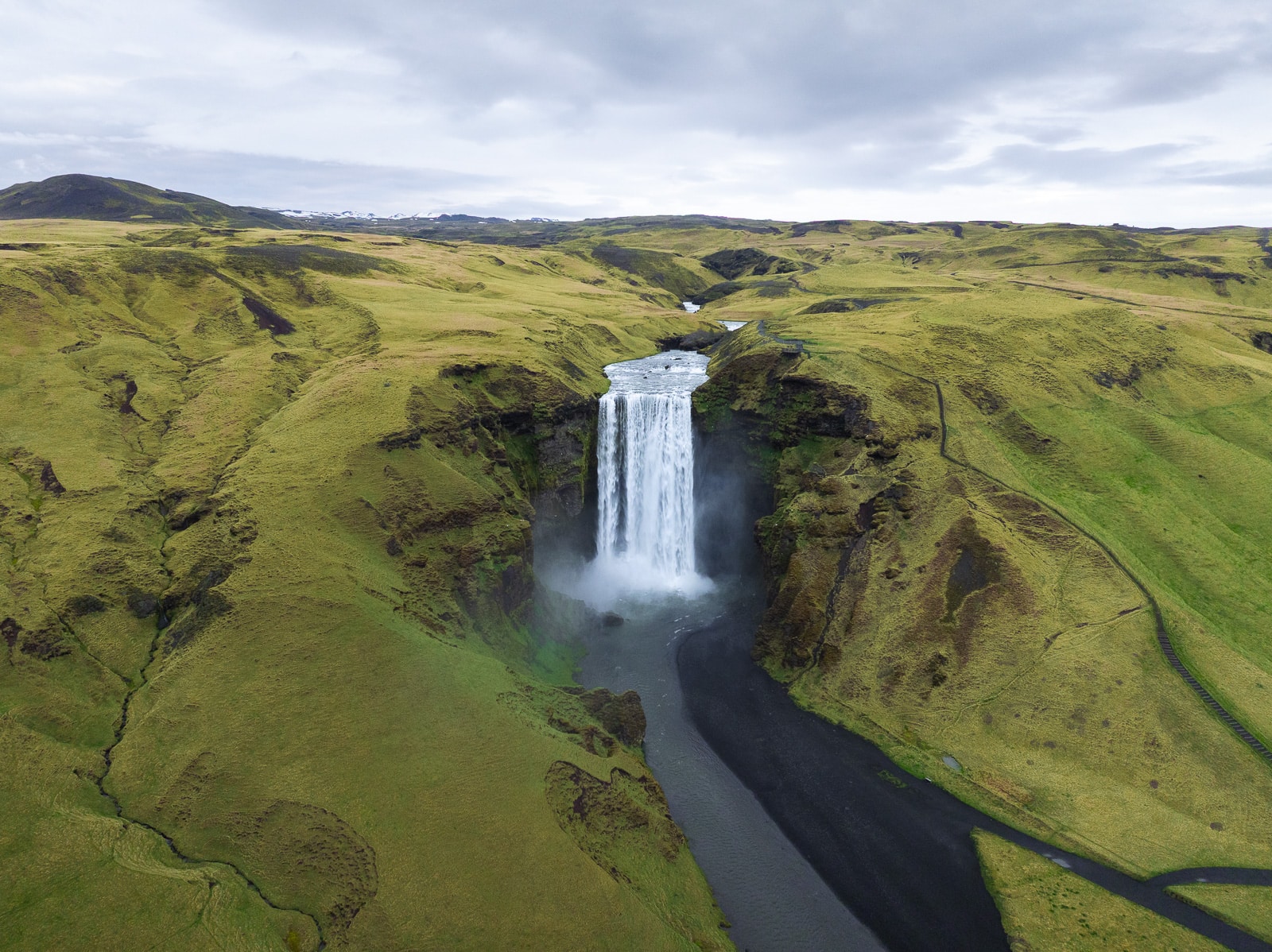
No top 10 of Iceland’s most beautiful waterfalls would be complete without THE most photographed waterfall in the country: Skógafoss. It’s one of the most famous tourist sites on the island. Back in 2022 I wasn’t particularly excited about going to Iceland because I’d seen this waterfall absolutely everywhere on Instagram, but when I arrived in front of it, it completely blew me away, and I go back every single trip. Tourist spots are popular for a reason 😌
👉 Skógafoss means “forest falls” and is fed by the Skóga river, which originates from the Fimmvörðuháls pass and the Eyjafjallajökull and Mýrdalsjökull glaciers. It’s 60 meters high and 25 meters wide, which is incredibly impressive! Legend has it that a Viking named Þrasi hid a treasure behind the falls around the year 900, but with a flow that powerful, there’s no way to go behind it to check.
🚗 From Reykjavík, it’s about 2h20 (160 km) to reach Skógafoss. The waterfall is visible from Road 1 and very easily accessible, there’s a large car park 100 meters away (1000ISK, around 7€).
🥾 There’s a staircase to the right of the waterfall, 530 steps, quite steep, but at the top you’ll find beautiful cascades continuing upstream and the start of the Fimmvörðuháls trail, with breathtaking panoramas (article coming this summer).
❄️ Skógafoss doesn’t freeze in winter thanks to its flow rate, but the surrounding area does. Pack crampons if conditions call for it.
⌛️ Since it’s a very popular and easily accessible spot, if you want to enjoy the waterfall without the crowds :
- In summer, go at “night”: with the midnight sun it never really gets dark, and since most people are asleep, you’ll have the waterfall to yourself. My photo of Skógafoss with the lupins was taken at 2AM, I was completely alone, a real luxury in Iceland.
- In winter: go at sunrise, before 9 or 10AM, when there are generally less people around.
📸 Some tips :
- The waterfall throws a lot of mist, so bring waterproof clothing and a small microfiber cloth to wipe your lens.
- If you want to shoot long exposure, bring a tripod.
- To photograph the rainbow, come between 11AM and 2PM, plus bring a polarizing filter to make the colors pop.
- There are lots of birds nesting near the waterfall, so a telephoto lens is worth packing.

Seljalandsfoss
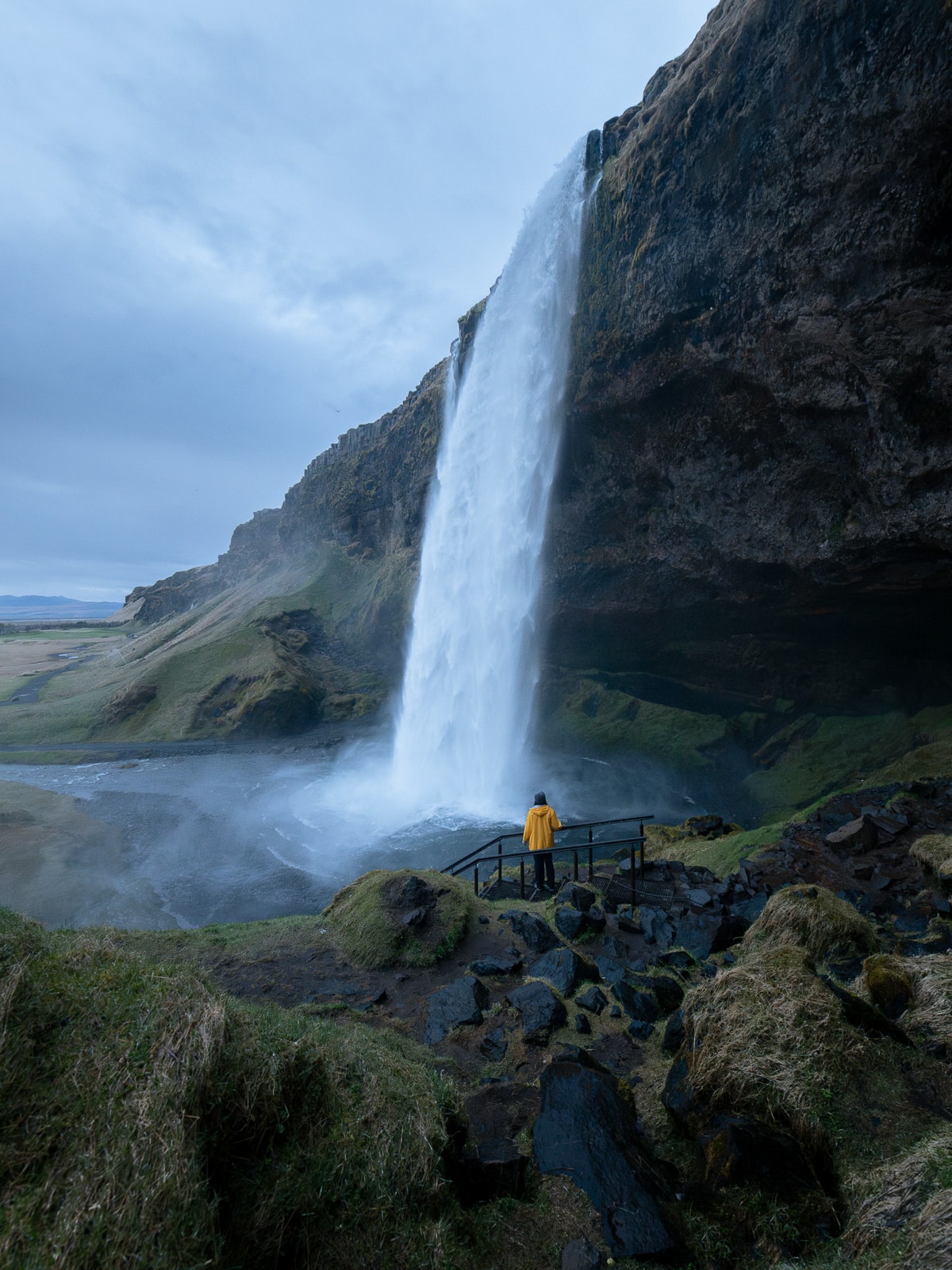
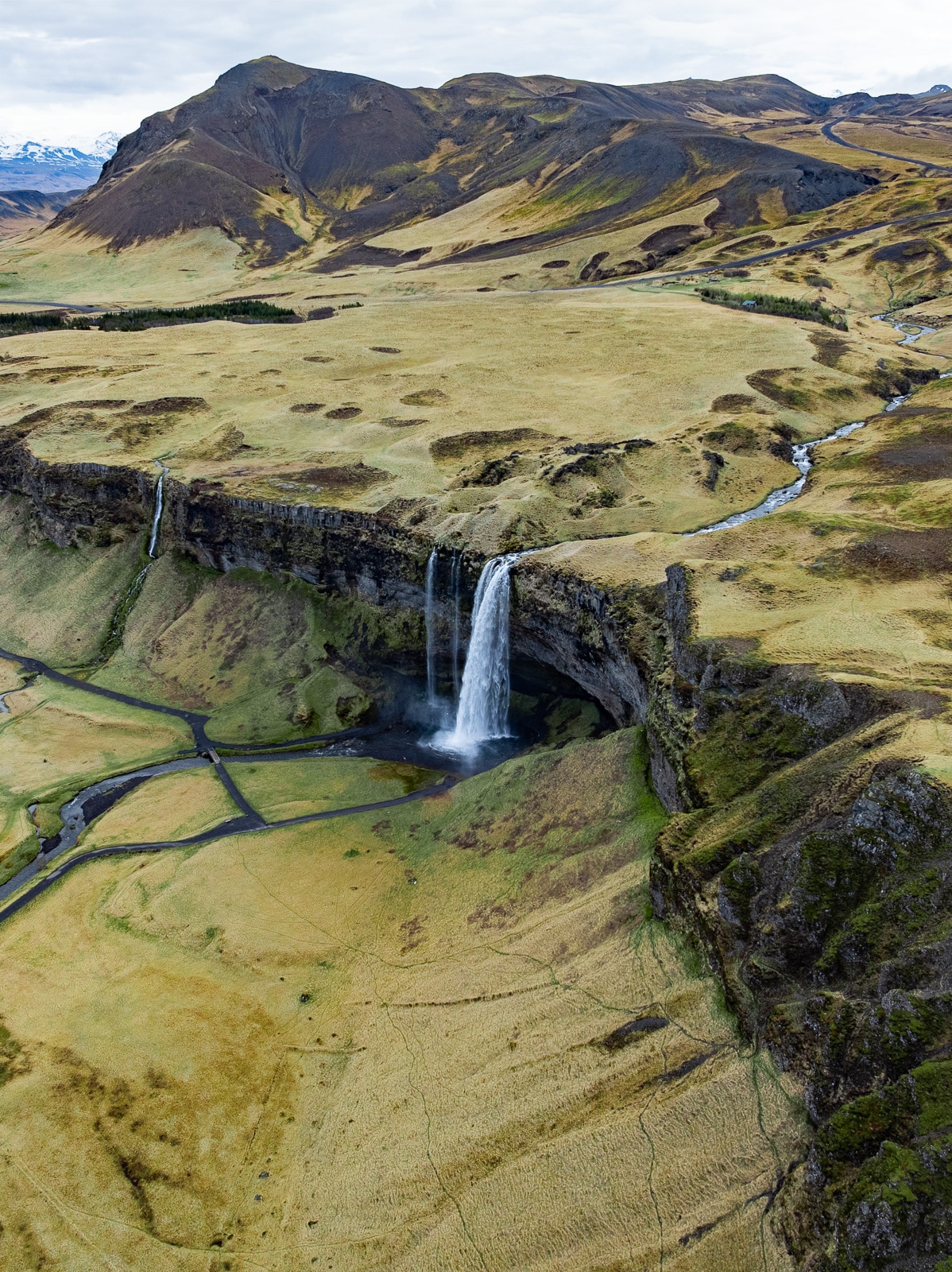
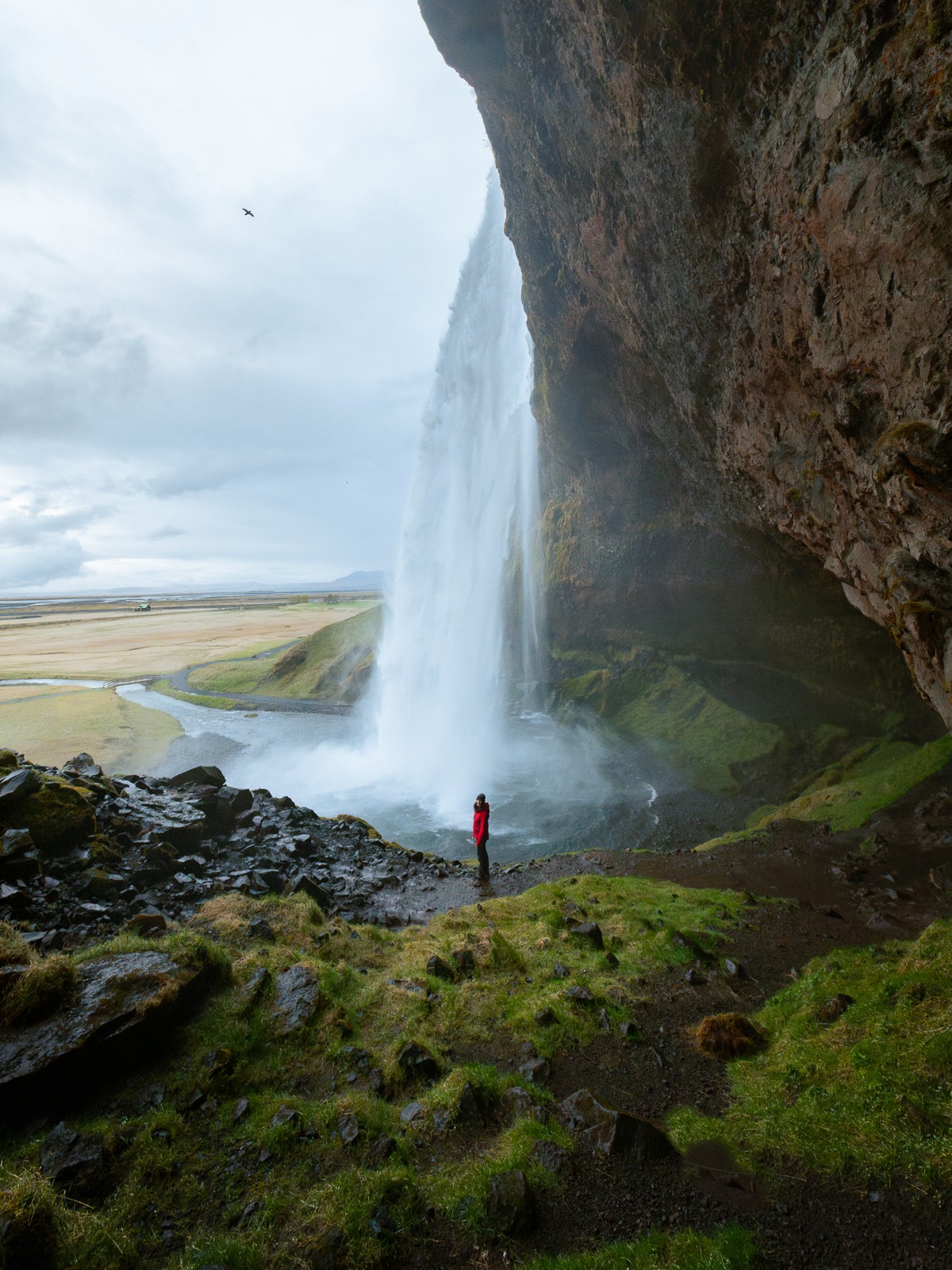
Seljalandsfoss is one of Iceland’s most iconic waterfalls, mainly because of a rare feature: you can walk behind the fall. About 60 metres high, it’s fed by the Seljalandsá river, which originates under the Eyjafjallajökull glacier.
🚗 From Reykjavík, allow about 2 hours (120 km). The waterfall is visible from Road 1 and has a dedicated car park right in front of it (1000ISK). It’s very easy to access, which also explains its popularity.
🥾 he path behind Seljalandsfoss is short but can be slippery, especially in winter or after heavy rain. Walking 5 minutes further along the path, you can also reach Gljúfrabúi, a waterfall partially hidden inside a gorge, really nice to photograph if you have a wide-angle lens.
❄️ In winter, Seljalandsfoss doesn’t freeze entirely, but the surrounding rock walls do. The path behind the falls is often closed for safety reasons and crampons are very often needed just to approach it.
⌛️ Like Skógafoss, Seljalandsfoss gets very busy. In summer, come late in the evening or very early in the morning (the midnight sun is your best friend). In winter, arrive just after sunrise, before the tourist buses show up.
📸 Some tips :
- Including a human silhouette in front of or behind the falls gives a great sense of scale.
- A wide-angle lens is ideal for capturing the natural frame formed by the waterfall.
- Protect your gear, the mist is constant, so bring something handy to wipe your lens.
- Long exposure can work really well here, but clean your lens regularly.
Dynjandi
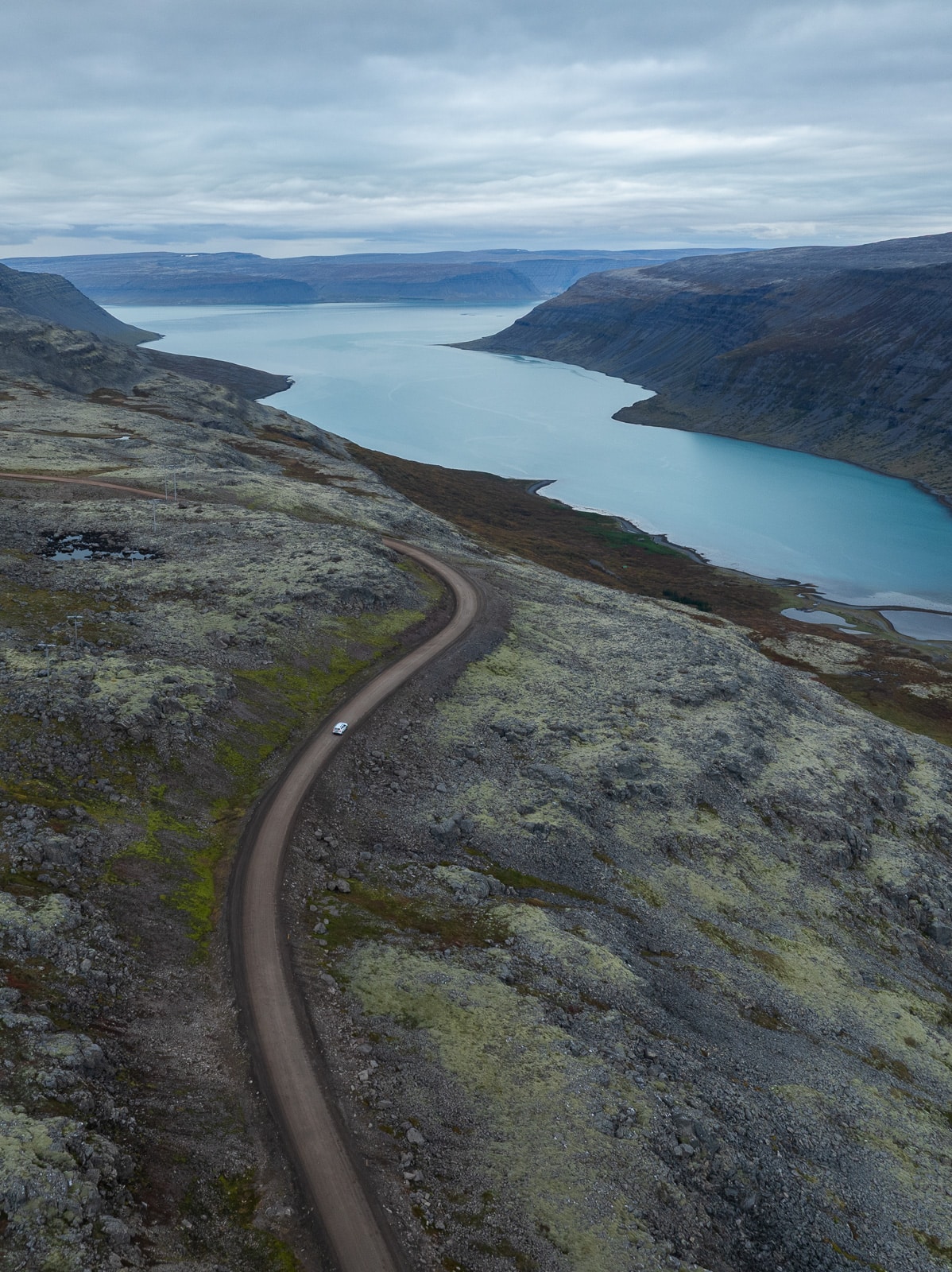
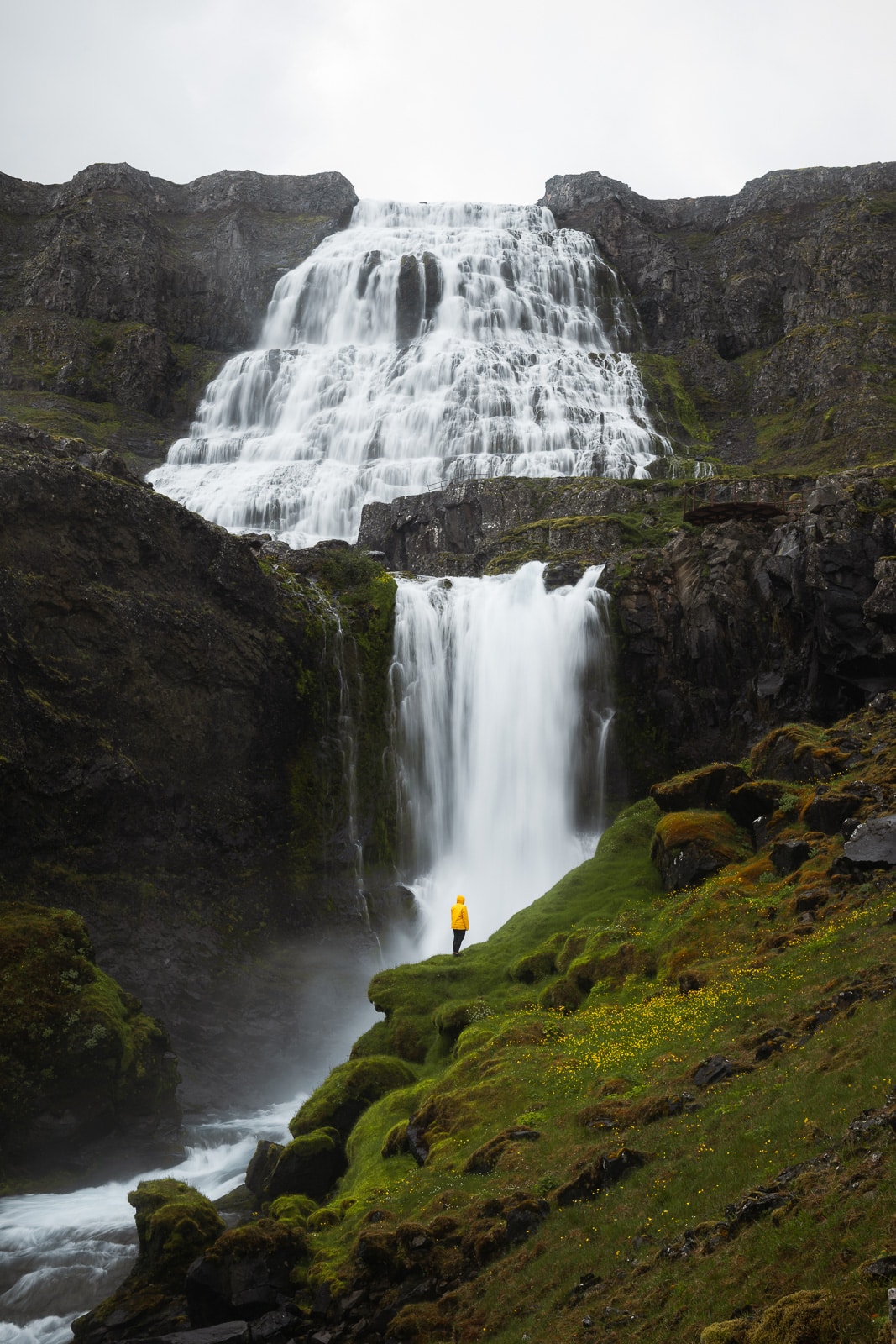
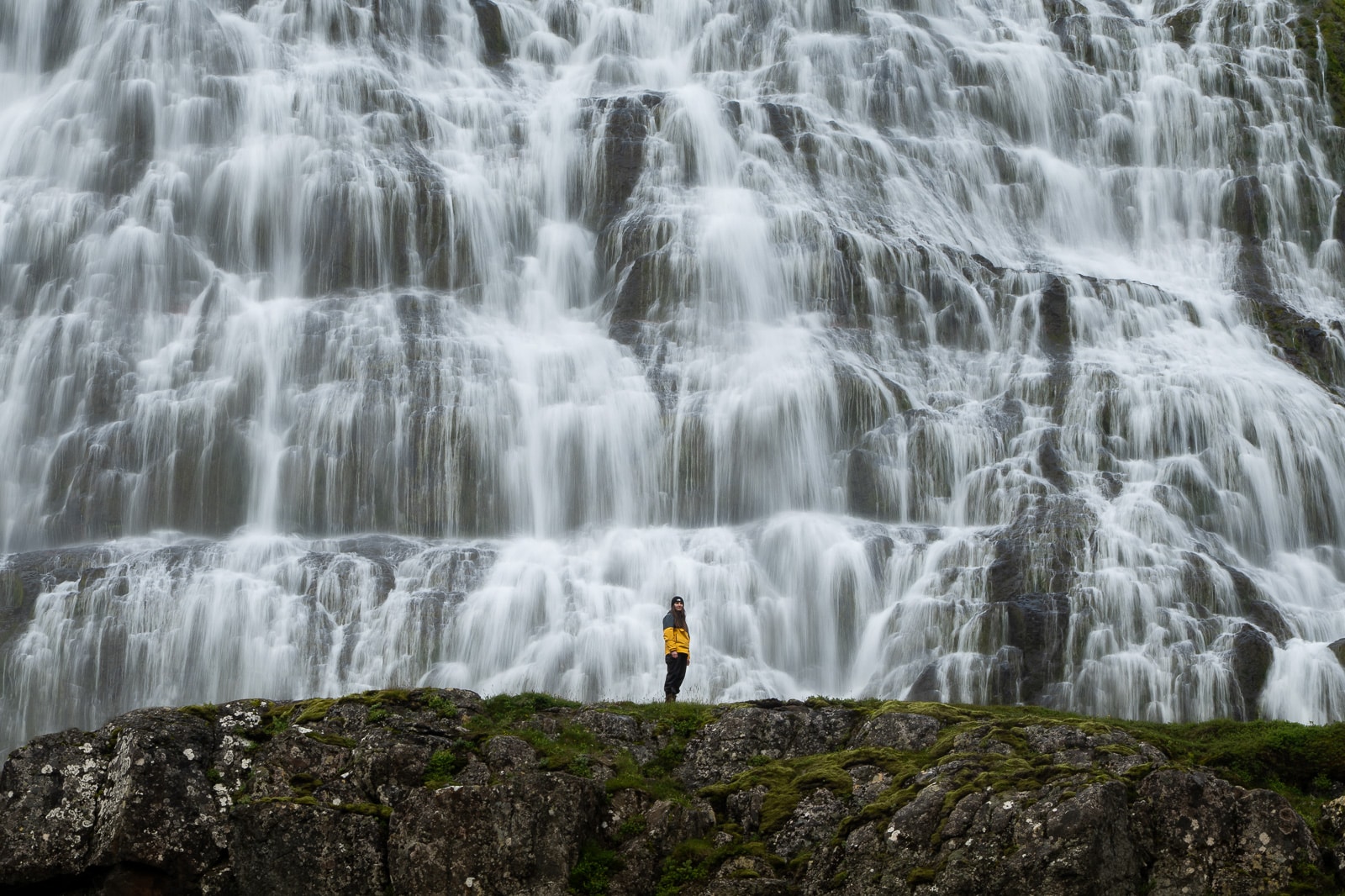
Dynjandi is located in the Westfjords and it’s one of my favorite waterfalls. It’s enormous and falls like a wedding veil, fanning out over about a hundred meters. The closer you get, the more impressive it becomes.
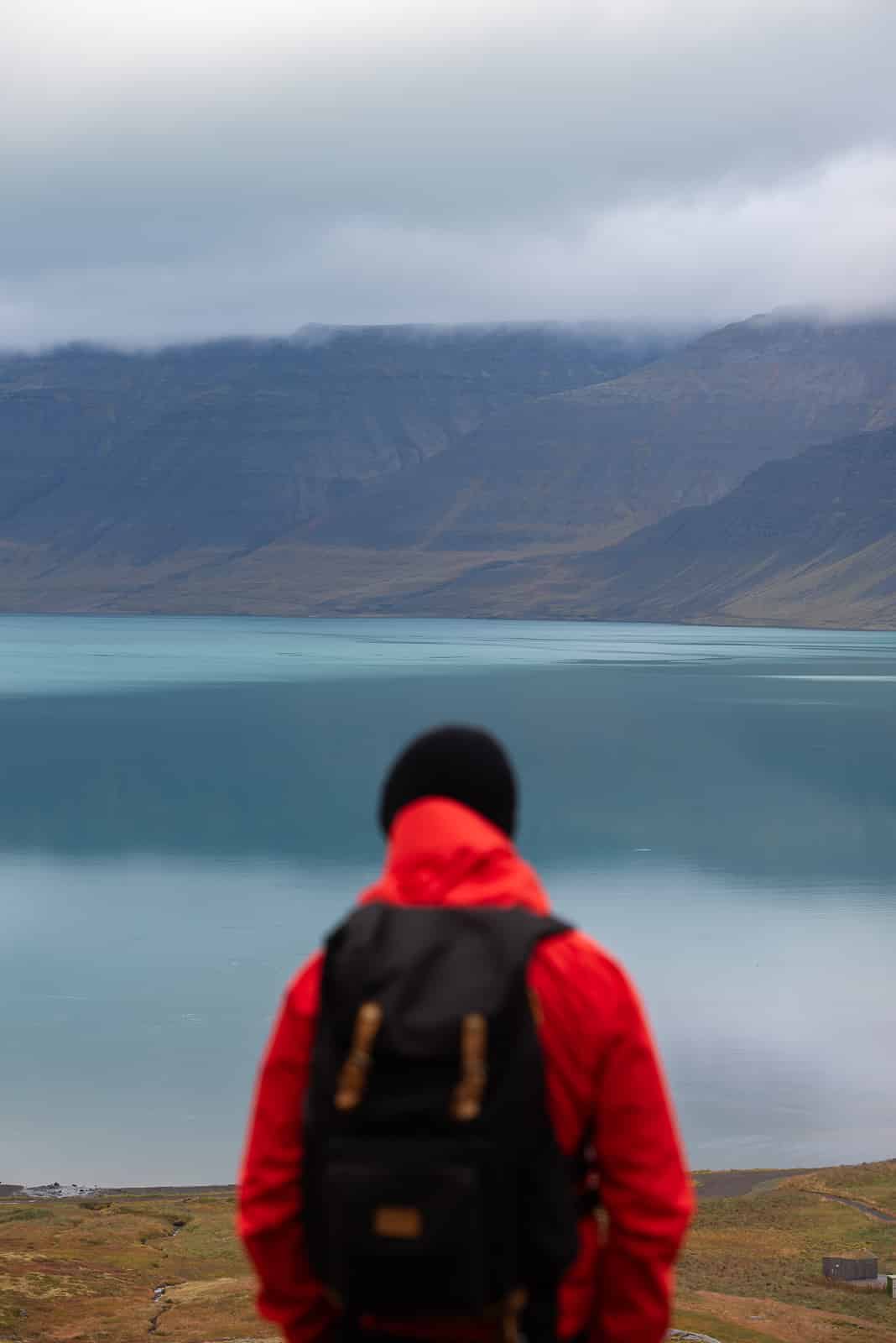
🚗 From Reykjavík, allow 4h30/5h of driving (350 km) without stops. Generally it makes sense to combine a visit to Dynjandi with a few days exploring the Westfjords (I mean since you’re already there).
🥾 There’s a short trail up to the base of the waterfall.
❄️ Dynjandi is best visited and photographed in summer. In winter, the road can be impassable and conditions can make access difficult or even impossible.
⌛️ Even in high season, Dynjandi stays relatively quiet compared to the south coast waterfalls. The most beautiful light for photographing it is actually overcast, it evens out the colors and contrast of the falls.
📸 Some tips :
- A telephoto lens is a must for me here. You can vary your angles, and if you’re with someone, ask them to stand in front of the waterfall while you shoot from below (great compression + sense of scale).
- Drones are prohibited between May 1st and September 15th to protect nesting birds, but outside those dates you’re free to fly.
Brúararfoss
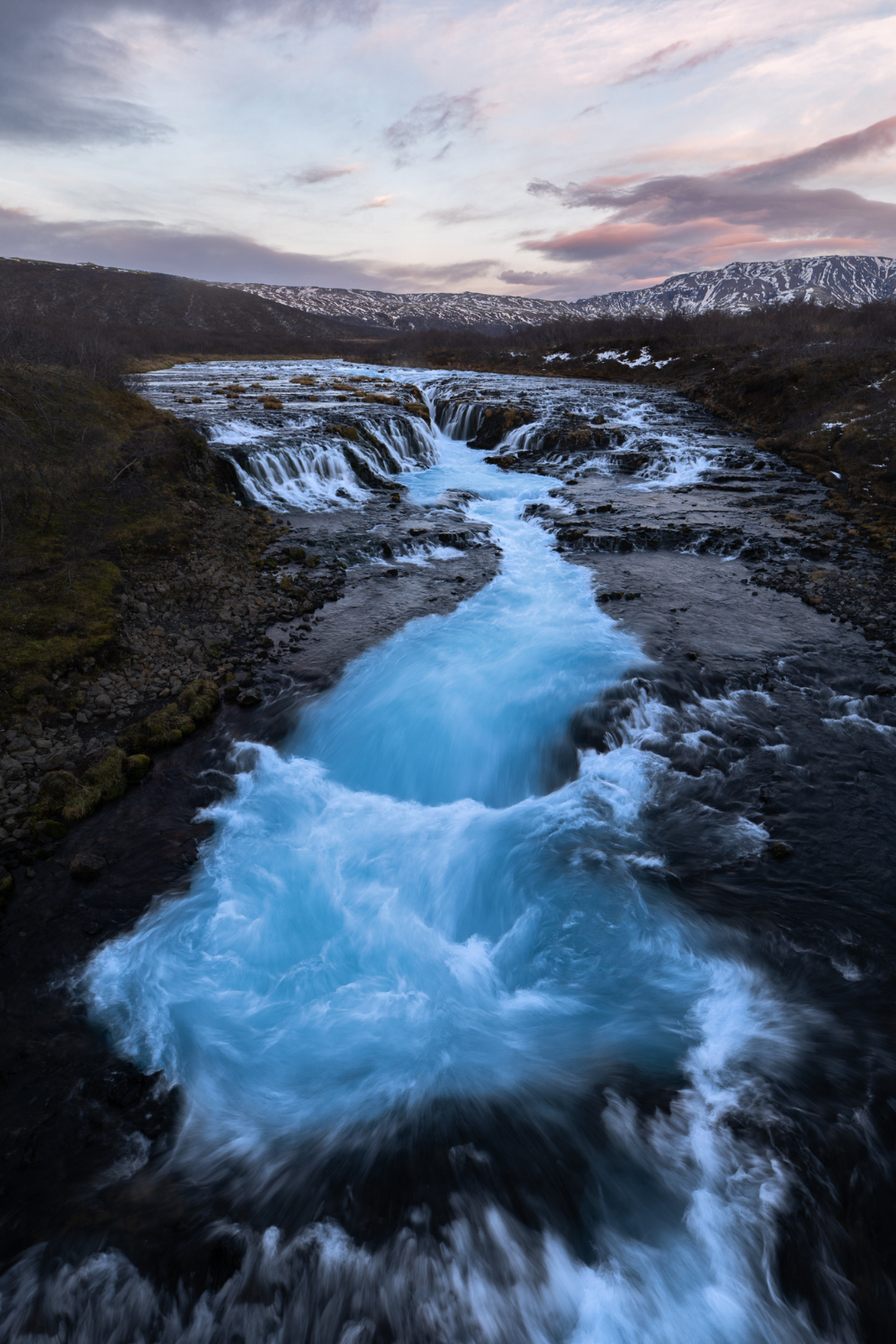
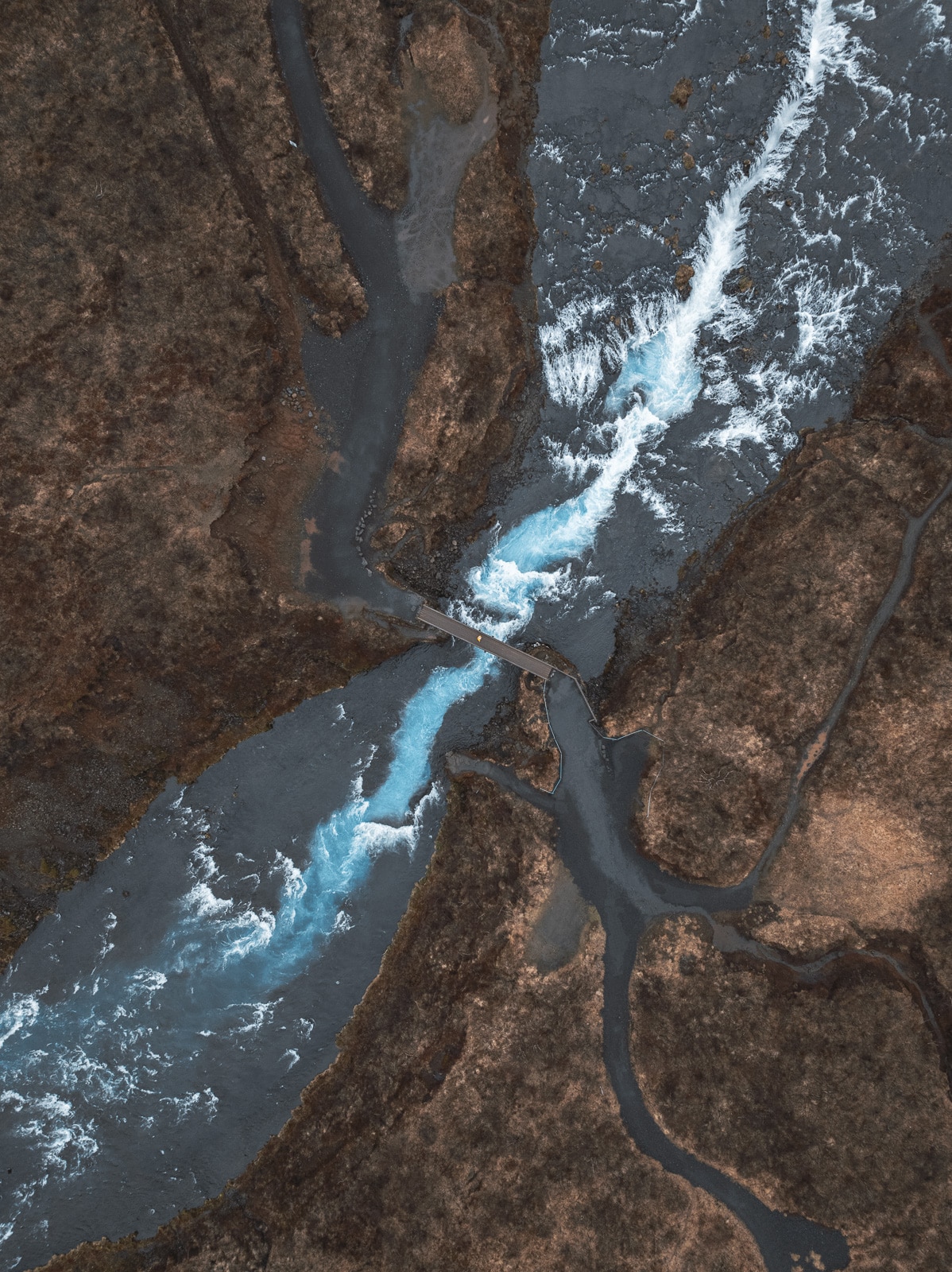
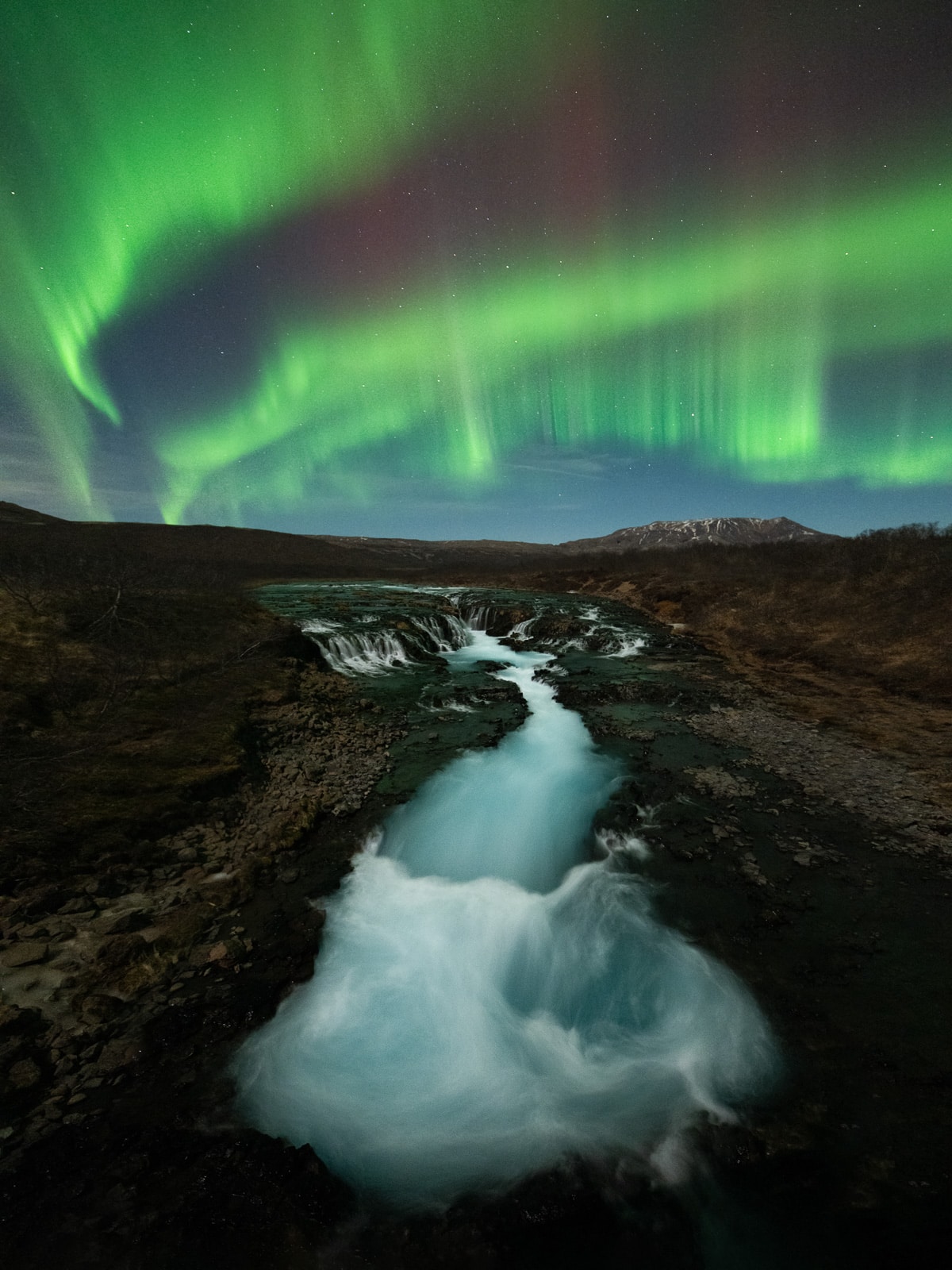
This one is my absolute favorite of all favorites ! It’s known for its completely surreal milky blue color, caused by glacial meltwater. Brúarfoss is not a huge waterfall, but the color more than makes up for the size. It’s incredibly graphic.
🚗 Located in the Golden Circle area, Brúarfoss is 1h30 from Reykjavík (94 km). The official car park is well signposted and paid (750ISK, 6€).
🥾 Once parked, you reach it via a short trail of a few hundred metres (5 minutes on foot). Accessible even in winter. The bridge crossing Brúarfoss can freeze, so watch your step.
⌛️ Brúarfoss is fairly popular, BUT if you come early in the morning you should have it to yourself. Fun fact: when I went to photograph the northern lights there, there were 5 or 6 of us on the bridge at midnight in February, but the following morning (first photo), I was completely alone despite a gorgeous sunrise and it was well past 10AM. Don’t understand the logic 🤷🏼♀️
📸 Some tips :
- A wide-angle or ultra-wide-angle lens is your best friend if you want to capture the whole waterfall.
- Shutter speed is key here : not too slow, not too fast. I usually shoot between 1/4s and 1/8s to get a slight silky effect while keeping texture in the water.
Kvernufoss
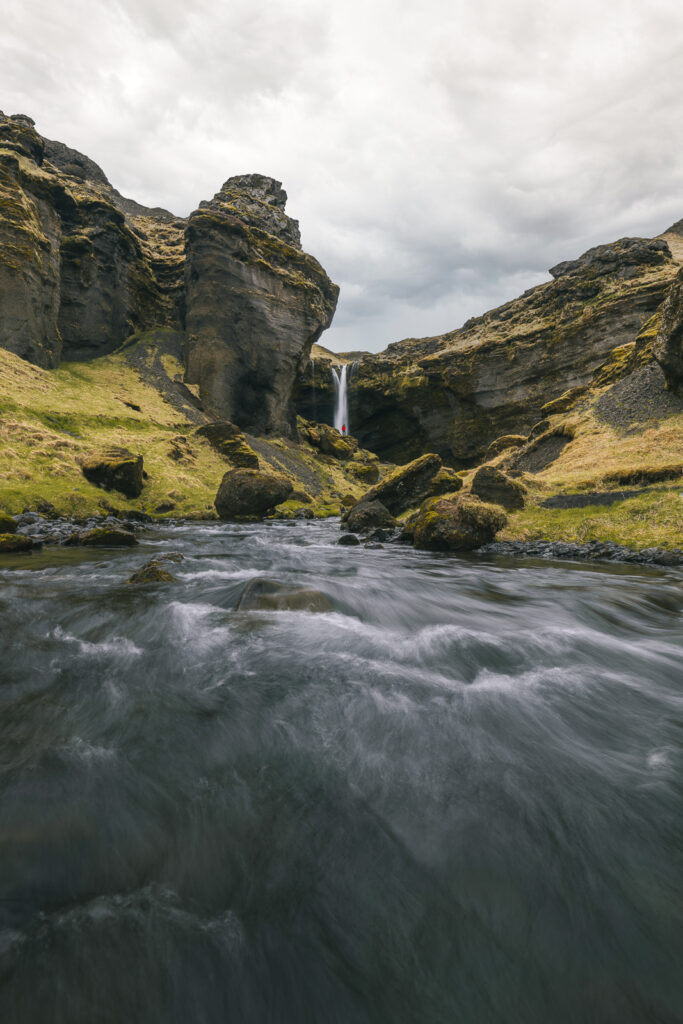
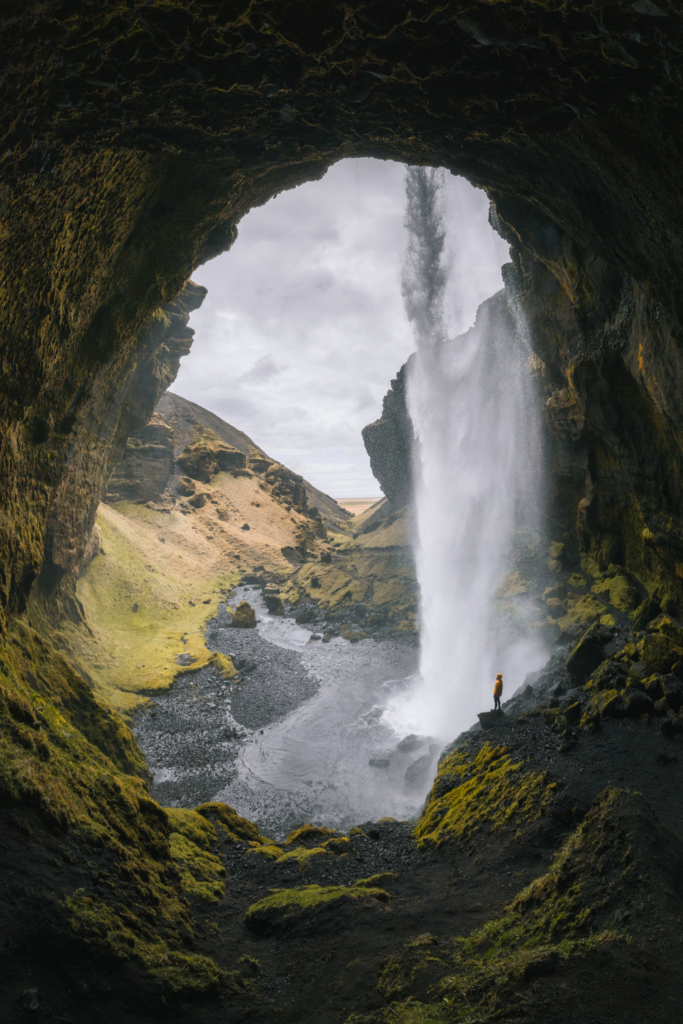
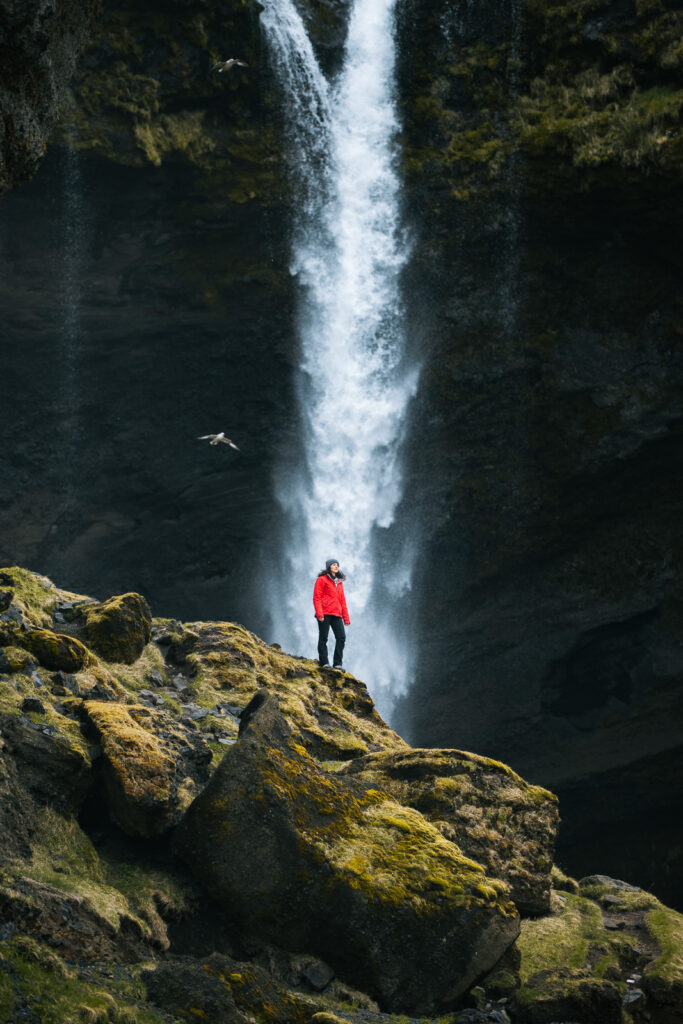
Kvernufoss is one of Iceland’s “secrets” (well there is a car park and a marked trail), in the sense that a lot of people skip it to go straight to Skógafoss, even though it’s right next door! The atmosphere is much more intimate. The waterfall drops into a narrow gorge with moss-covered walls where birds come to nest. It’s neither the most powerful nor the tallest in the country, but it’s absolutely worth the stop.
🚗 From Reykjavík, the journey is the same as for Skógafoss (about 2h20). Once parked at the Skógar Museum car park, it’s a 10-15 minute walk along a well-marked path to reach the waterfall.
🥾 The trail runs alongside a small river through a very lush green landscape in summer. The approach itself is already very photogenic. Once there, you can get close to the waterfall and even walk behind it.
❄️ In winter, Kvernufoss becomes magical. The gorge provides some shelter from the wind, and the waterfall can be surrounded by ice and snow. The ground can be very slippery, bring crampons. Getting behind the falls in winter is trickier (crampons essential).
⌛️ hanks to its slightly less obvious access, Kvernufoss stays relatively quiet throughout the day. If Skógafoss is packed, this is a very cool alternative.
📸 Some tips :
- Explore different angles and bring all your lenses, from wide-angle to telephoto. I told myself it would be too much weight in the bag, zero regrets in the end.
- Don’t forget your widest lens and a tripod if you want to shoot from behind the waterfall. Even with my Sigma 14mm I had to stitch a panorama inside the cave.
Sigöldugljúfur
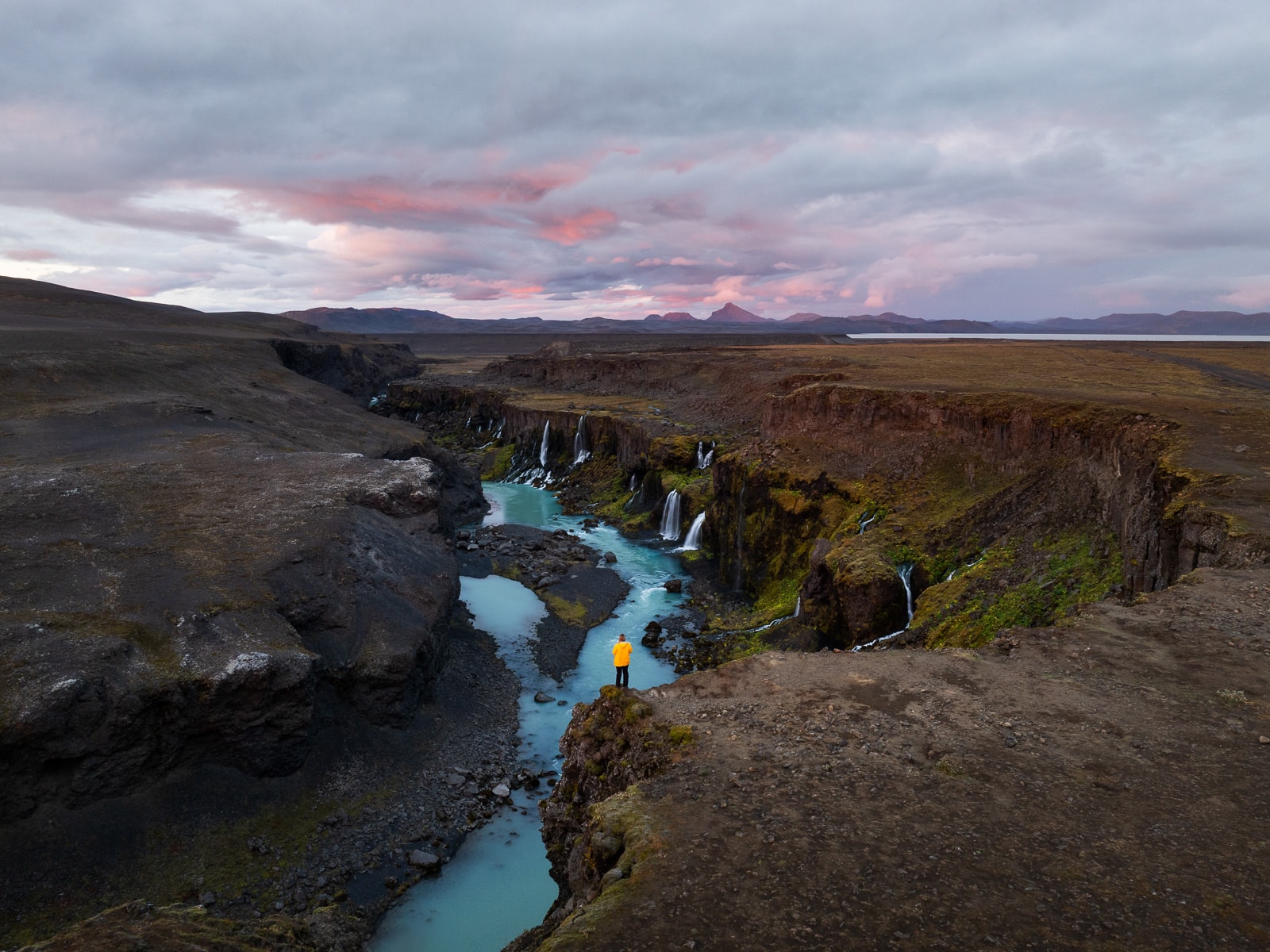
Ok, this isn’t technically ONE waterfall but a canyon with dozens of them, but in my book that still earns it a place in this top 10. It’s known as the “valley of tears canyon” and it’s one of the most beautiful places in Iceland. The colors are stunning and it’s a serious visual slap in the face.
🚗 The canyon is in the Highlands, about 3 hours from Reykjavík (175 km), and is only accessible in summer via the F208 track. A 4WD is mandatory.
🥾 Park here after entering the Highlands, then walk a few minutes towards the canyon. The path isn’t marked but it’s hard to miss.
❄️ Since the Highlands are off-limits in winter due to the dangerous conditions, this waterfall is essentially a summer photography spot (June to September).
⌛️ Despite its beauty, it’s not heavily visited, so you can take your time even in peak season. Sunset brings out all the colours of the rocks and the falls beautifully.
📸 Some tips :
- A drone is great for varying your compositions here
- Add a silhouette for scale and a pop of color
Dettifoss
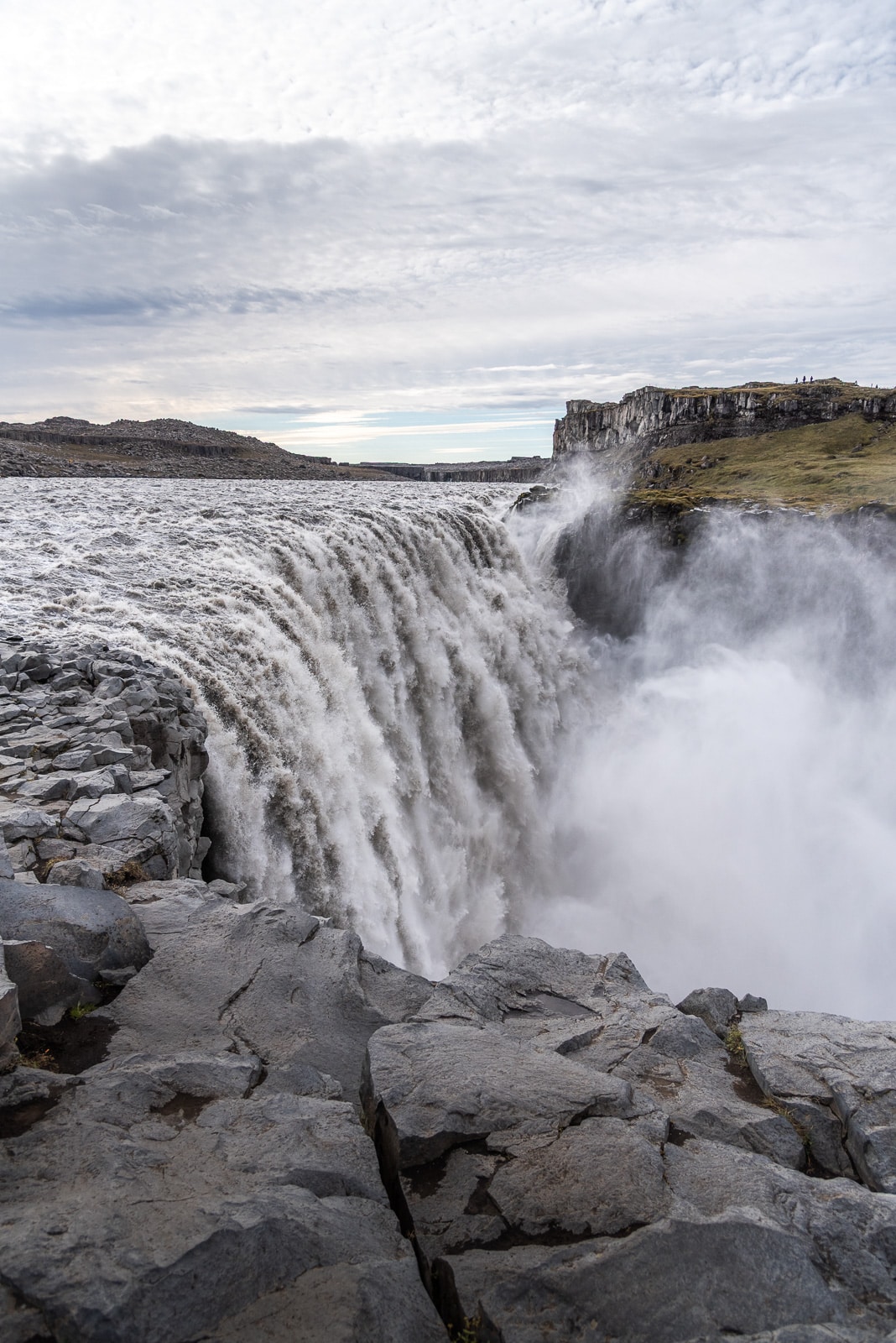
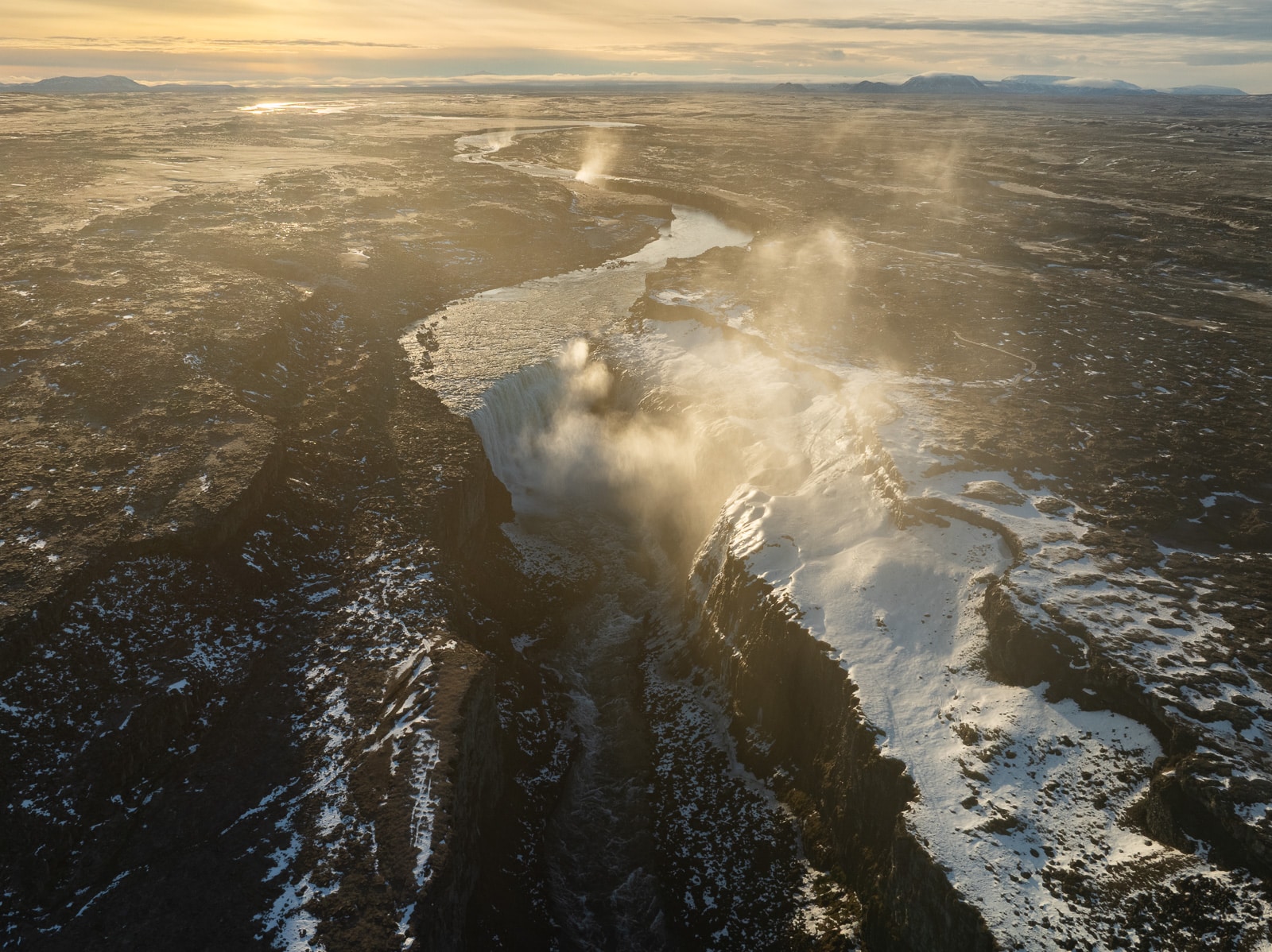
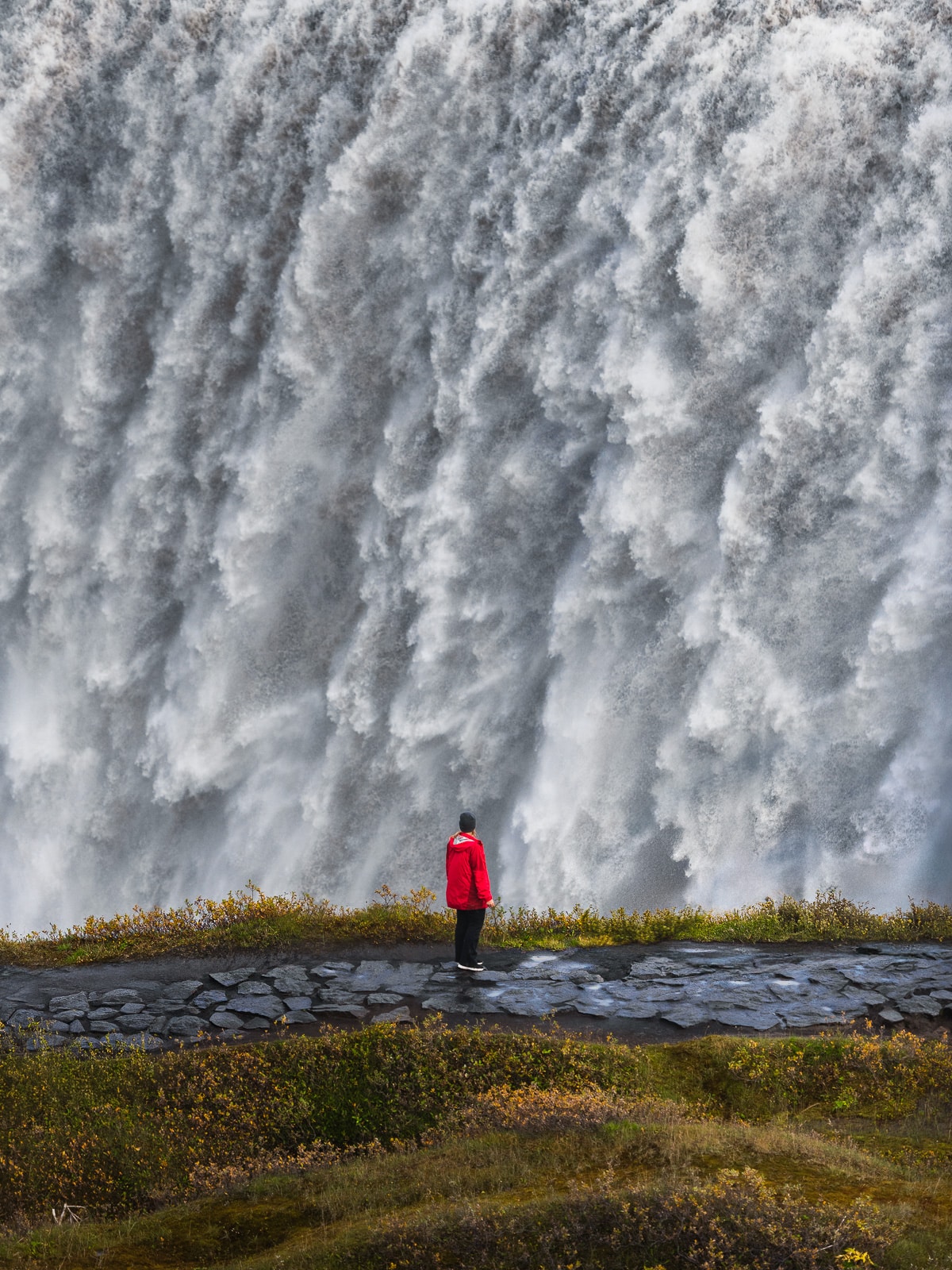
Dettifoss is the most powerful waterfall in Iceland and in Europe, at 44 meters high and 100 meters wide, with a flow rate of around 500m³/s. Enough to fill several Olympic swimming pools in just a few seconds 😅
🚗 Located in northern Iceland (7 hours, 520 km from Reykjavík), Dettifoss is accessible from two sides (east and west), with quite different experiences. On the west side, you access it via Route 862, which is fully paved and ends at a FREE car park (yes, really, one of the rare free car parks in Iceland), from which it’s about a 15-minute walk to the waterfall and the various viewpoints. On the east side, take track 864 : it’s manageable in a regular car, but the road is rough, full of potholes and gravel. From the east car park, it’s a 5-minute walk to the viewpoint.
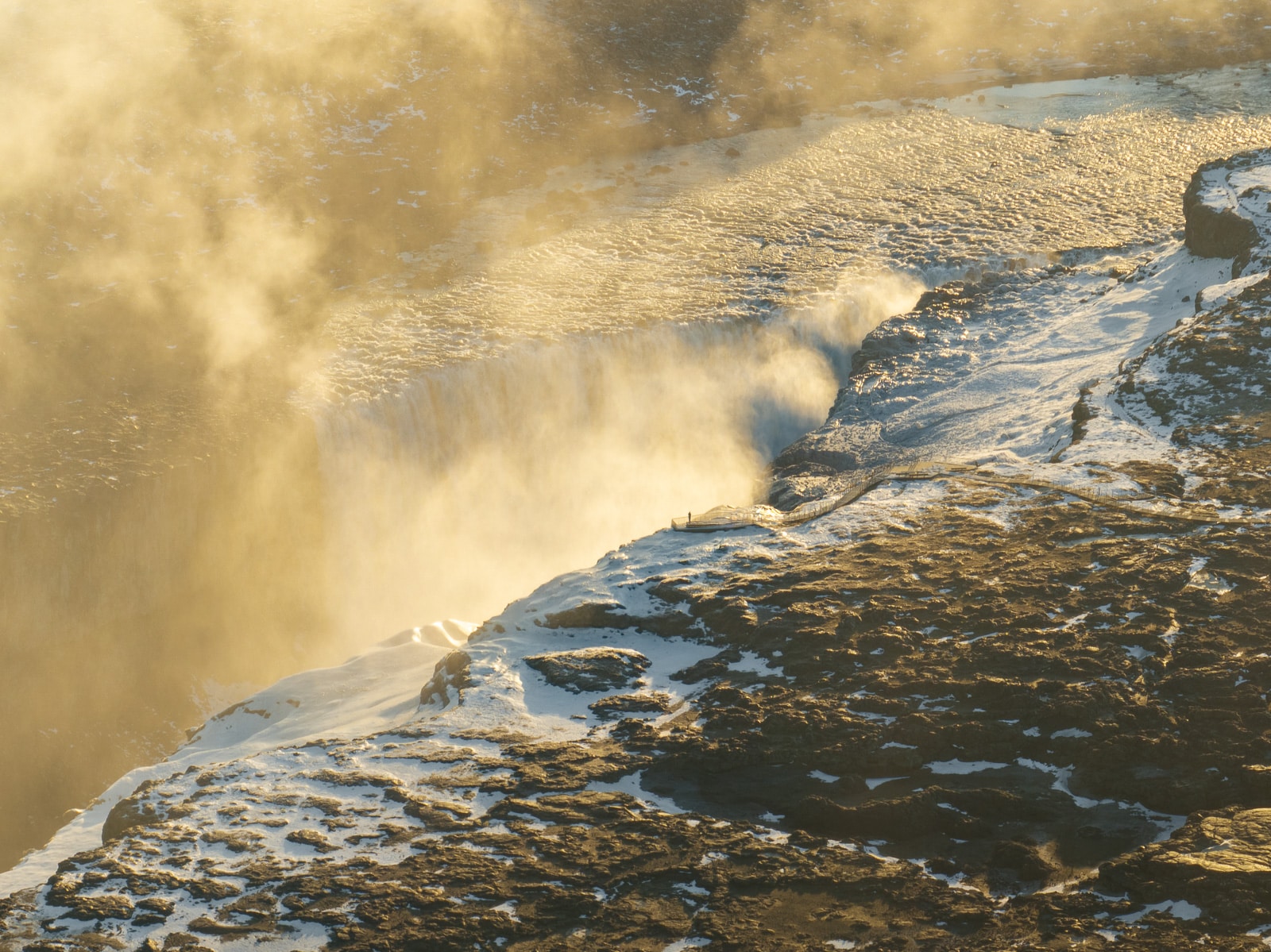
❄️ In winter, access is only possible from the west side. The path can be slippery, but it’s worth it, the waterfall doesn’t freeze. Some walkways are closed in winter for safety reasons.
📸 Some tips :
- Protect your gear from the spray : waterproof jacket, microfibre cloth, bin bag, plastic bag… You’re going to get wet regardless, but especially if your gear isn’t weather-sealed.
- If you’re with someone, use a telephoto lens, stay on the upper platforms and ask your subject to go down in front of the waterfall (beautiful compression + a great sense of scale).
- You can fly a drone at certain times of day and year. Flying is prohibited on the east side, beyond the waterfall and south of Dettifoss. I’ve covered all the regulations in detail in my Iceland guide in the drone section.
Goðafoss
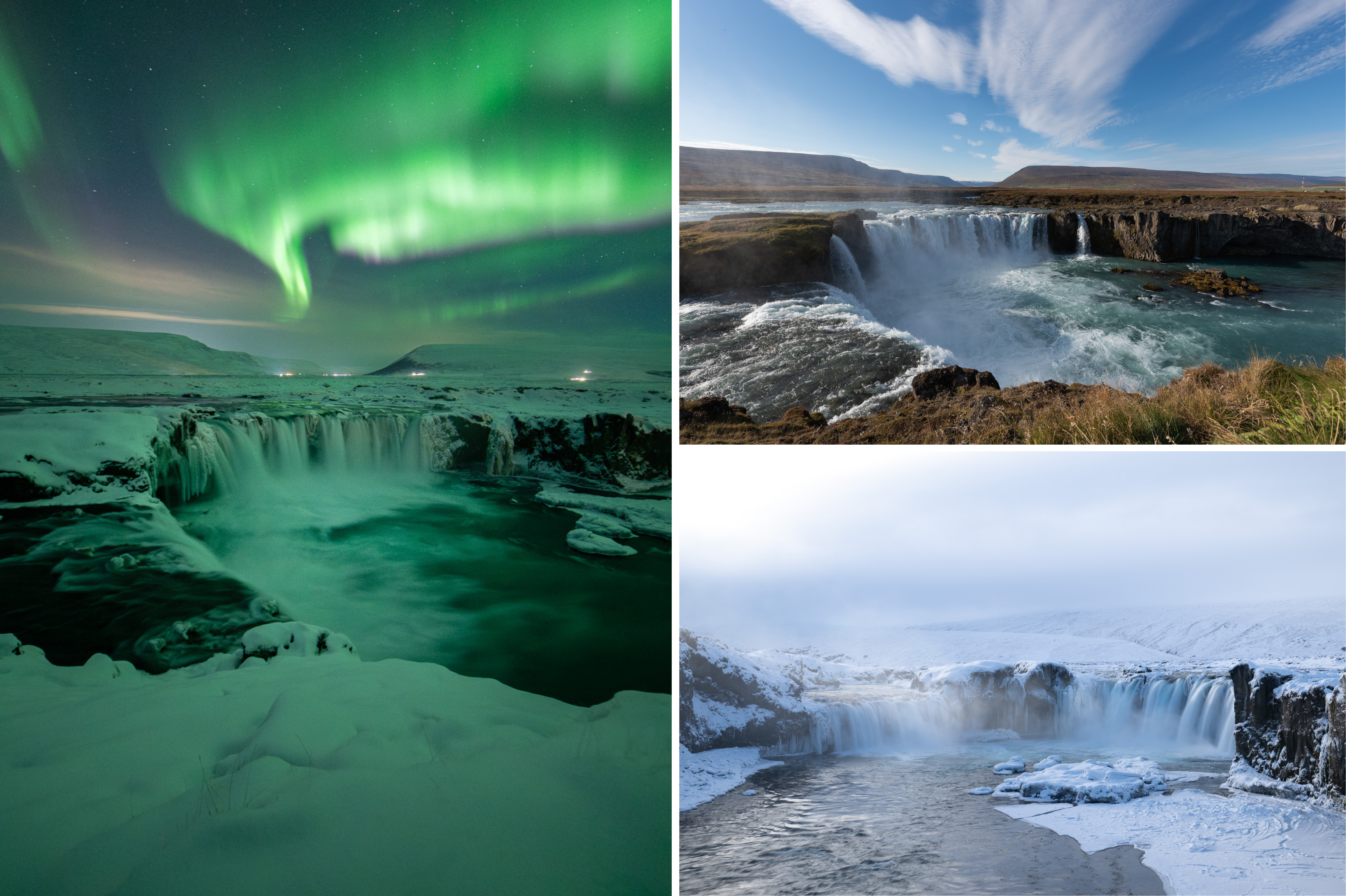
This little waterfall in the north doesn’t look like much from the roadside, but it’s truly magical ! Goðafoss means “waterfall of the gods” and its horseshoe shape makes it a pleasure to photograph, especially in winter.
🚗 From Reykjavík, it’s about 5h20 (420 km) to reach Goðafoss. The waterfall is visible from Road 1 and very easily accessible, there’s a large car park 100 meters away (free).
🥾 Several viewpoints let you vary your compositions without too much walking. From the car park you can either head to a viewpoint on the left (great for northern lights shots) or cross the bridge and arrive “in front of” the waterfall, with several observation platforms.
❄️ In winter, Goðafoss becomes magical : snow, ice and turquoise water create a perfect contrast. You can also photograph the northern lights here since there’s very little light pollution.
⌛️ Goðafoss gets visitors but rarely feels saturated. Even in the middle of the day in high season the car park isn’t full, so you can enjoy it at your own pace.
📸 Some tips :
- A wide-angle works well, but bring a 24-70mm type lens too for more compositional variety.
- Winter is hands-down the best season for photography here, add a soft pastel sunrise and it’s perfection.
Skútafoss
Skútafoss is a slightly more under-the-radar waterfall than the others on this list. It’s located near Stokksnes, in the south-east of Iceland.
🚗 From Reykjavík, it’s about 6 hours (460 km) to reach Skútafoss. It’s right on Road 1 and makes for a very quick detour.
🥾 Once parked, it’s about a hundred metres on foot to reach Skútafoss. You can view it from above or walk a few metres to get inside a small cave (“cave” being a loose term, it’s more of an alcove really 😉).
❄️ n winter there’s generally no water flowing, so I’d skip it on a winter itinerary.
⌛️ Despite being roadside, quite a few people drive straight past without stopping. Perfect for a peaceful photography session!
📸 Some tips :
- Bring a wide-angle, it’s the only focal length worth using here in my opinion.
- A stormy sky or a sunset would be ideal!
Hengifoss
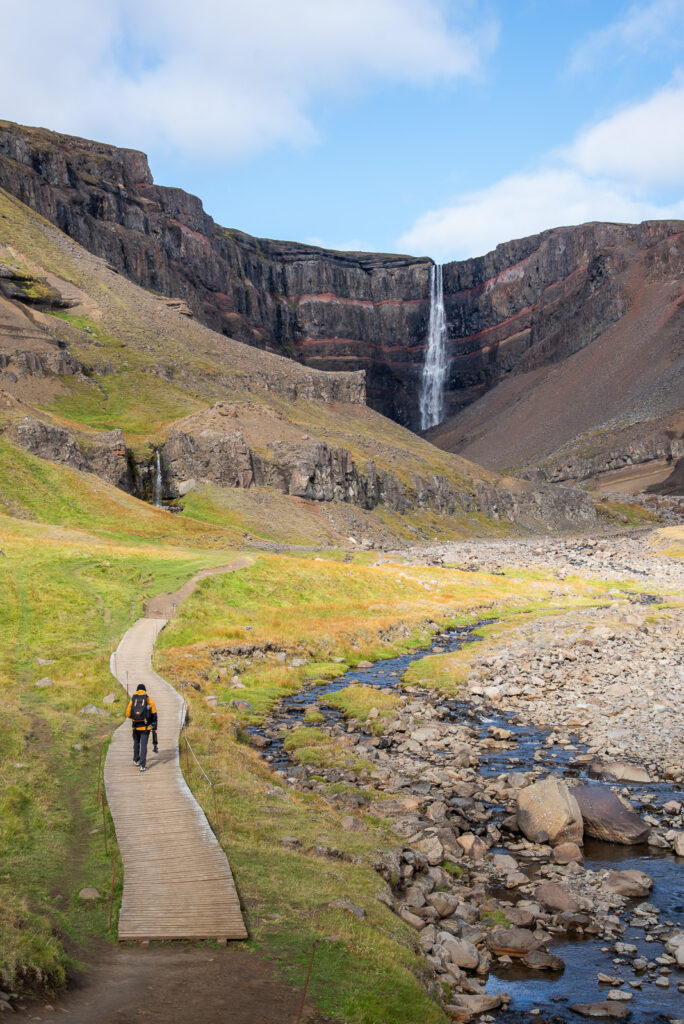
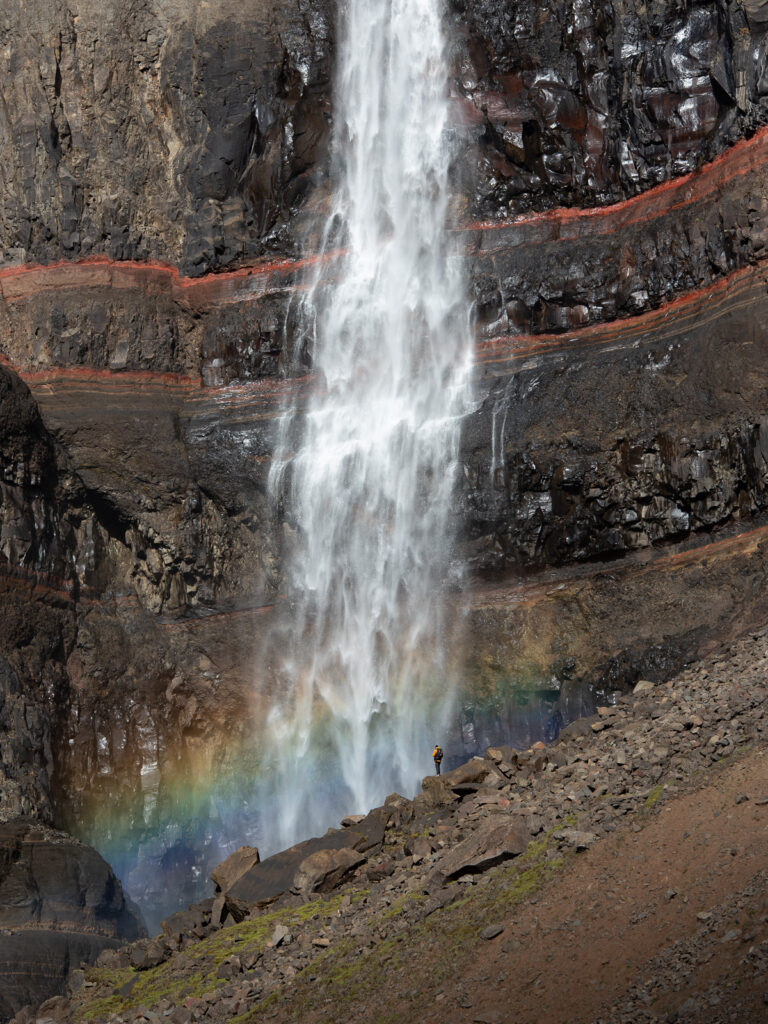
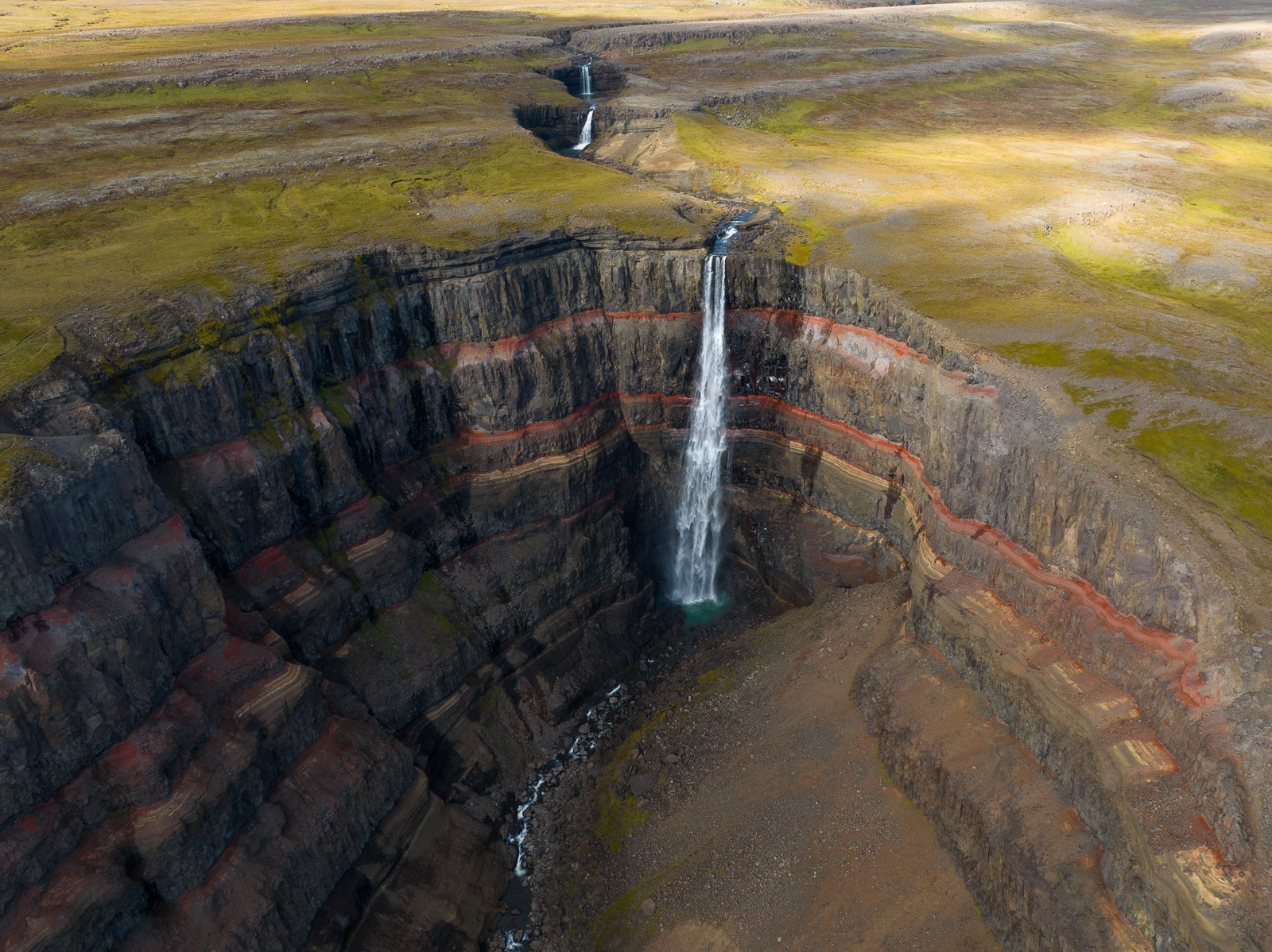
We end this top 10 with Hengifoss, one of the tallest waterfalls in Iceland at around 128 meters. What makes it truly unique are the basalt rock layers interspersed with red clay bands, which quite literally tell the geological story of Iceland. And yes, the red stripes really are visible and saturated, it just depends on the light.
🚗 Hengifoss is in eastern Iceland. You’ll need 8 to 9 hours to reach it, depending on whether you go via the north or south of the island. There’s a car park at the start of the trail.
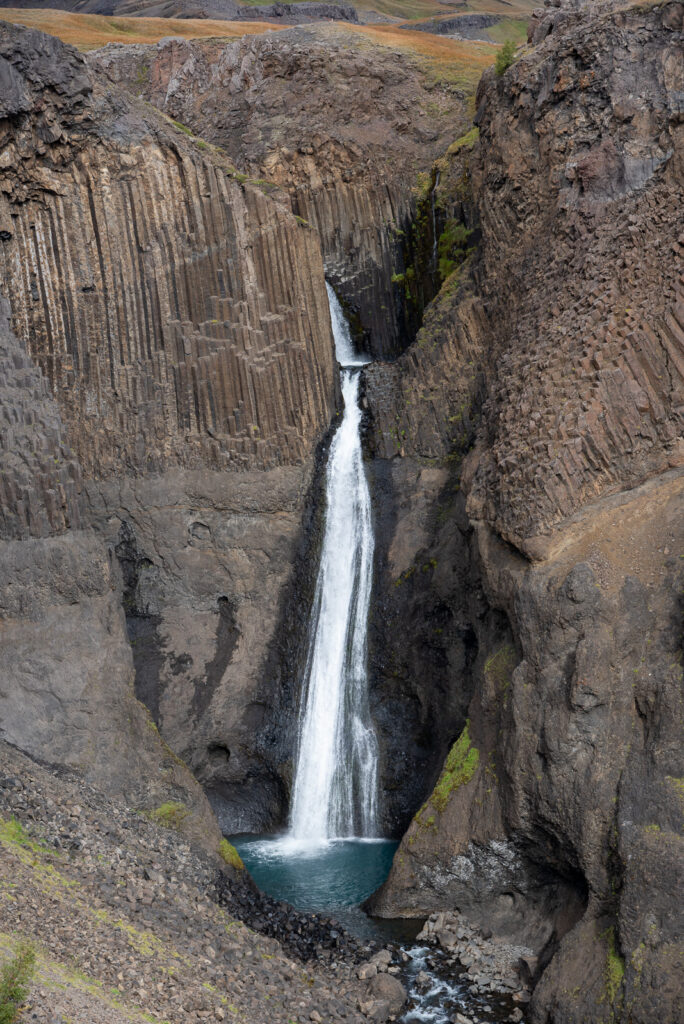
🥾 Access is via a hike of about 5km return, with a gradual incline. The trail is well maintained but the climb can be a bit demanding, especially with a heavy camera bag. On the way, you’ll pass its little sister Litlanesfoss, another waterfall surrounded by basalt columns.
❄️ Hengifoss is most interesting in summer. In winter the waterfall loses some of its visual appeal under the snow, and it mostly freezes since the flow isn’t particularly strong.
📸 Some tips :
- It’ll add weight to your bag, but a telephoto lens is essential for me here, great for playing with compression and highlighting the details of the rock layers.
- Including a hiker on the trail or at the base of the waterfall gives a great sense of scale.
- Vertical compositions work really well.
- Come in late morning, that’s when rainbows tend to form
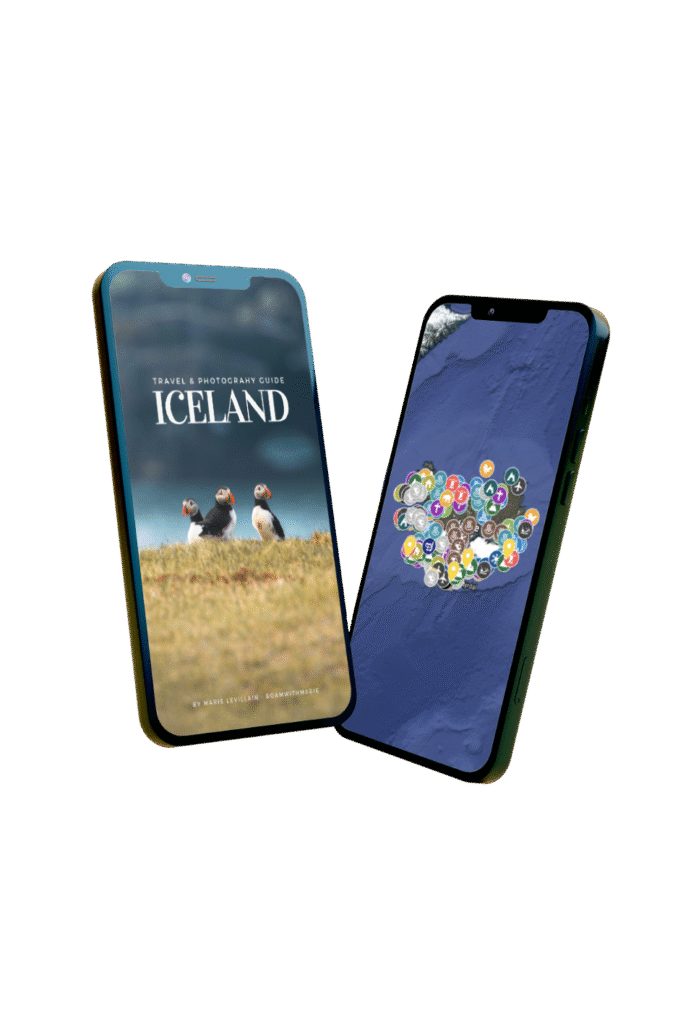
There are plenty of other beautiful and photogenic waterfalls in Iceland, but these are my personal top 10 that I keep coming back to. If you want to discover more places to photograph in Iceland, my Iceland Photography Map includes over 400 photo spots. In the description of each location, you’ll find :
- access information
- the best light conditions
- what gear to bring
- where to park and how much it costs
- the best season to visit
- useful links
Each spot also comes with my own photography tips and composition ideas.
The map helps you build a coherent itinerary without wasting hours cross-checking scattered and sometimes inaccurate information found online.
The map is updated for life, you don’t need to buy it again. Every time I update it, the map on your device is updated too ❤️
Have a safe trip to Iceland 🇮🇸
Marie